
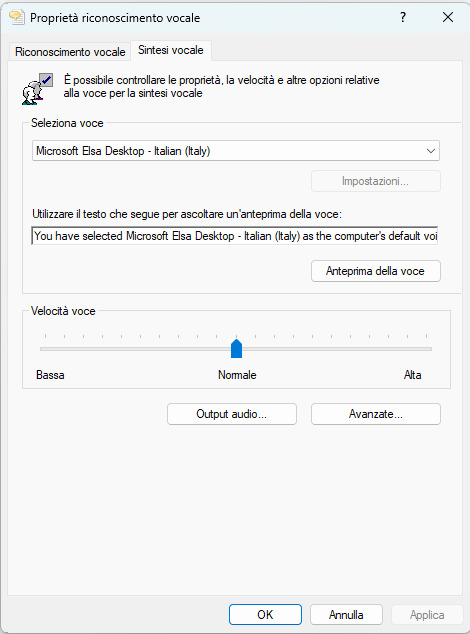
Introduction
In today’s digital age, voice recognition has become an essential tool for individuals and businesses alike. With the advancement of technology, voice recognition has become more accurate and user-friendly, allowing us to interact with devices and systems in a more natural way. In this article, we will explore the world of Italian voice recognition, discussing its applications, benefits, and limitations.
What is Voice Recognition?
Voice recognition refers to the process of identifying and understanding spoken language through computer algorithms and machine learning techniques. This technology allows devices and systems to recognize and interpret human speech, enabling us to interact with them in a more intuitive way.
History of Italian Voice Recognition
The concept of voice recognition dates back to the 1970s, when the first speech recognition system was developed by the US Department of Defense. However, it wasn’t until the 1990s that the first commercial speech recognition systems were released, primarily targeting English-speaking markets.
In recent years, there has been a significant increase in the development of Italian voice recognition systems, catering to the growing demand for this technology. This trend is expected to continue as technology advances and more companies develop systems that support the language.
Google’s Voice Recognition System
Google offers a robust voice recognition system that supports Italian, among other languages. The system is available online and can be accessed through Google Drive, allowing users to dictate text directly into their computers. While not as sophisticated as professional-grade software, Google’s system is free, user-friendly, and accurate for everyday use.
Free Voice Recognition Tools
There are several free voice recognition tools available, including Talk Typer, an online service that supports Italian and doesn’t require any additional software. Another option is Nuance Dragon, a commercial software that supports Italian and boasts high accuracy in text transcription.
Music Identification with Google Assistant
Did you know that you can even use Google Assistant to identify songs? Simply ask “Qual è questa canzone?” or “Qual è la canzone in riproduzione?”, and the assistant will try to identify the song for you. This feature is available on devices like Pixel 2 and Pixel 2 XL, which come with a built-in music recognition service.
Software for Voice Recognition
Voice recognition software typically uses algorithms that mimic human speech patterns, analyzing frequency associations between words to reconstruct language. These systems also employ phonetic vocabularies and vocal tone analysis to improve accuracy. However, the limitations of this approach can lead to errors if not properly configured or maintained.
Some popular voice recognition software includes:
- Dragon NaturallySpeaking: A commercial software that supports Italian and boasts high accuracy in text transcription.
- Apple Dictation: A built-in feature on Mac computers that allows users to dictate text using their voice.
- Microsoft Dictate: A built-in feature on Windows computers that allows users to dictate text using their voice.
Advantages of Italian Voice Recognition
There are several advantages of using Italian voice recognition technology, including:
- Convenience: Voice recognition allows users to interact with devices and systems in a more natural way, reducing the need for manual typing.
- Increased Productivity: By allowing users to dictate text or control devices with their voices, Italian voice recognition can increase productivity and efficiency.
- Accessibility: Voice recognition can be especially beneficial for individuals with disabilities, such as those who are unable to type due to physical limitations.
Limitations of Italian Voice Recognition
While Italian voice recognition technology has come a long way, there are still some limitations to consider:
- Accuracy: While voice recognition systems have improved significantly in recent years, they can still struggle with accents and dialects.
- Language Understanding: Italian is a complex language with many nuances, making it challenging for voice recognition systems to accurately understand spoken language.
- Contextual Understanding: Voice recognition systems often require additional context or clarification to ensure accurate understanding.
The Future of Italian Voice Recognition
As technology continues to advance, we can expect even more sophisticated voice recognition systems in the future. With ongoing research and development, we may see improvements in accuracy, language understanding, and usability.
Some potential advancements on the horizon include:
- Improved Accent Recognition: Next-generation voice recognition systems could better handle accents and dialects, reducing errors and improving overall accuracy.
- Enhanced Language Understanding: Future voice recognition systems may be able to better understand contextual nuances and subtleties in Italian language, leading to more accurate results.
Conclusion
In conclusion, Italian voice recognition has come a long way since its inception, with numerous applications and benefits across various industries. While there are still limitations to this technology, it is undeniable that voice recognition has revolutionized the way we interact with devices and systems.
By understanding the history, advantages, and limitations of Italian voice recognition, individuals and businesses can make informed decisions about their use of this technology.
Frequently Asked Questions (FAQs)
Q: Can I use Google Assistant for Italian voice recognition?
A: Yes, you can use Google Assistant for Italian voice recognition by asking questions like “Qual è questa canzone?” or “Qual è la canzone in riproduzione?”
Q: Are there any free voice recognition tools available?
A: Yes, there are several free voice recognition tools available, including Talk Typer and Nuance Dragon.
Q: Can I use Italian voice recognition software for music identification?
A: Yes, you can use some voice recognition software, like Google Assistant, to identify songs with lyrics in Italian.
Q: Is Italian voice recognition becoming more common?
A: Yes, Italian voice recognition is becoming increasingly popular as technology advances and more companies develop systems that support the language.
Q: Can I use Italian voice recognition for other purposes?
A: Yes, you can use Italian voice recognition for various tasks, such as dictating text, controlling devices, or identifying songs.


