
Introduction
In today’s world, we’re constantly connected to our devices, and our lives are made easier by virtual assistants. But how do these voice-based companions work? In this article, we’ll explore the history of virtual assistants, their limitations in Italian, and the best options available.
What is a Virtual Assistant?
A virtual assistant (VA) is a computer program that uses natural language processing to understand and respond to human input. It’s designed to make our lives easier by performing tasks, answering questions, and even controlling our devices. But what makes them useful?
Why You Need a Virtual Assistant
Virtual assistants are not just limited to helping us with mundane tasks like setting reminders or sending messages. They can also:
- Provide information on weather forecasts, traffic updates, and more
- Help you find the nearest restaurants, hotels, or stores
- Assist you with language translation
- Even entertain you with stories, jokes, and games
The Challenges of Italian Virtual Assistants
While virtual assistants have made significant progress in recent years, their performance in Italian is still limited. The main challenges include:
- Understanding nuances of the language, such as dialects and regional expressions
- Providing accurate translations and responses to complex queries
- Integrating with existing systems and services
Google Assistant: A Leader in Virtual Assistants
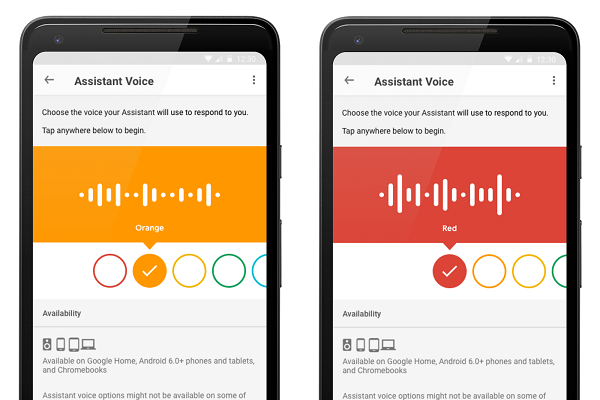
In 2017, Google introduced its virtual assistant, Assistant, which supports multiple languages, including Italian. The service is constantly improving, with new features and capabilities being added regularly.
Other Virtual Assistants to Consider
While Google Assistant is a leading option, there are other virtual assistants worth considering:
- Hound: A young and versatile assistant that can find hotels, restaurants, or points of interest.
- Jarvis: An Italian-language assistant that allows you to send messages, make calls, and even access Easter eggs.
- Simone: A highly-rated virtual assistant that excels at language translation and understanding.
Windows 7’s Built-in Virtual Assistant
If you’re using a Windows 7 device, you may have a built-in virtual assistant. The program, called “Assistente vocale,” can read out loud what’s on your screen. While it’s not the most advanced option, it’s still useful for basic tasks.
Disabling Your Virtual Assistant
Sometimes, you might want to disable your virtual assistant for personal reasons. To do so, go to the Pannello di Controllo and select “Access Facilitato.” From there, you can find options to disable the assistant. In some cases, you may need to restart your computer.
How Virtual Assistants Work
Virtual assistants use a combination of natural language processing (NLP) and machine learning algorithms to understand and respond to human input. They can be trained on large datasets of text and speech, allowing them to learn patterns and relationships in language.
The Benefits of Using a Virtual Assistant
There are many benefits to using a virtual assistant, including:
- Convenience: Virtual assistants can save you time and effort by performing tasks for you.
- Accessibility: Virtual assistants can provide information and support to people with disabilities or mobility issues.
- Personalization: Virtual assistants can learn your preferences and adapt their responses accordingly.
The Future of Virtual Assistants
As virtual assistants continue to evolve, we can expect to see even more advanced capabilities and features. Some potential developments in the future include:
- Improved natural language understanding
- Enhanced integration with existing systems and services
- Increased support for multiple languages and dialects
Conclusion
Virtual assistants have come a long way in recent years, but they still face challenges in understanding Italian nuances. However, with Google Assistant’s significant progress and other alternatives available, you’re sure to find an option that suits your needs.
Frequently Asked Questions (FAQs)
Q: What is the best virtual assistant for Italian speakers?
A: Google Assistant is a leading option, but other virtual assistants like Hound, Jarvis, and Simone are also worth considering.
Q: Can I use a virtual assistant to translate text or speech?
A: Yes, many virtual assistants offer language translation capabilities. However, it’s essential to keep in mind that the accuracy may vary depending on the complexity of the query.
Q: How do I disable my virtual assistant?
A: To disable your virtual assistant, go to the Pannello di Controllo and select “Access Facilitato.” From there, you can find options to disable the assistant.
Q: Can I use a virtual assistant to control my devices?
A: Yes, many virtual assistants offer remote control capabilities for smart home devices or other connected equipment.
Q: How do I set up a new virtual assistant on my device?
A: The setup process varies depending on the specific virtual assistant and device. Refer to the manufacturer’s instructions or online resources for guidance.
Q: Can I use a virtual assistant for entertainment purposes, such as playing games or listening to music?
A: Yes, many virtual assistants offer entertainment features like games, podcasts, or music streaming services.
Q: How can I improve my virtual assistant’s performance in Italian?
A: To improve your virtual assistant’s performance in Italian, try using simple language and avoiding complex queries. Additionally, consider providing feedback to the assistant’s developers to help improve its accuracy and understanding of regional expressions.
Q: Can I use a virtual assistant on multiple devices at once?
A: Some virtual assistants allow you to access them across multiple devices, but it depends on the specific implementation. Check with the manufacturer for compatibility information.
Q: How can I update my virtual assistant’s software or firmware?
A: To update your virtual assistant’s software or firmware, refer to the manufacturer’s instructions or online resources for guidance.
Additional Tips and Tricks
- Use simple language: When interacting with a virtual assistant, use simple language and avoid complex queries.
- Provide feedback: If you encounter errors or inaccuracies with a virtual assistant, provide feedback to help improve its performance.
- Experiment with different devices: Try using virtual assistants on different devices, such as smartphones, tablets, or smart speakers, to see how they perform.
Common Issues with Virtual Assistants
- Misunderstanding tone and nuance: Virtual assistants may struggle to understand the tone and nuances of human speech.
- Language limitations: Some virtual assistants may not support certain languages or dialects.
- Integration issues: Virtual assistants may not integrate seamlessly with existing systems and services.
Best Practices for Using Virtual Assistants
- Read the user manual: Before using a virtual assistant, read the user manual to understand its capabilities and limitations.
- Provide clear input: When interacting with a virtual assistant, provide clear and concise input to ensure accurate responses.
- Be patient: If you encounter errors or inaccuracies, be patient and try again.
Conclusion
Virtual assistants have revolutionized the way we interact with technology, making our lives easier and more convenient. While they face challenges in understanding Italian nuances, Google Assistant’s progress and other alternatives are worth considering. By following best practices and providing feedback to developers, we can continue to improve virtual assistant performance and unlock their full potential.


