
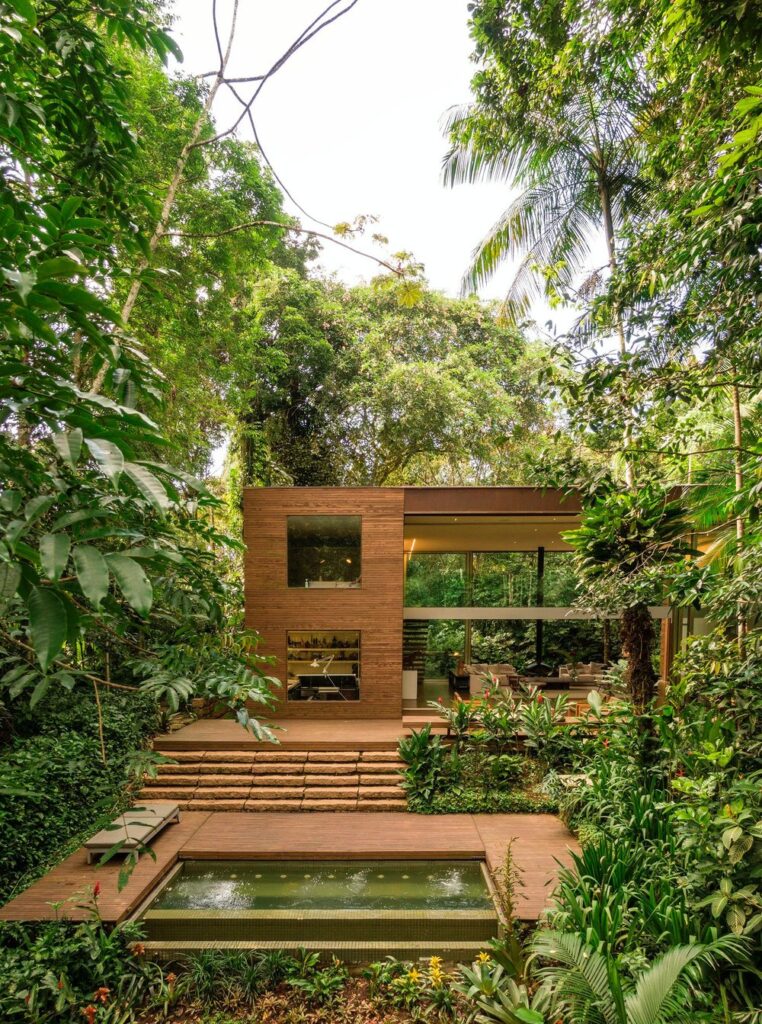
As the world grapples with the challenges of climate change, sustainable architecture has become a crucial aspect of creating eco-friendly homes. While many modern houses aim to blend seamlessly into their surroundings, some designers have taken a bold approach by embracing sustainability through unconventional means. Meet Isolée, a groundbreaking green house designed by Dutch firm Tjep, which pushes the boundaries of minimalist design and sustainable living.
Introduction
The world is facing unprecedented challenges, from rising temperatures to dwindling natural resources. In response, architects and designers are turning to innovative solutions to create eco-friendly homes that not only minimize environmental impact but also promote well-being for their occupants. Isolée, a three-story, vertically-stacked abode designed by Tjep, embodies the spirit of sustainable architecture – a fusion of cutting-edge technology, minimalist design, and an unwavering commitment to reducing our carbon footprint.
A House that Defies Convention
Isolée is more than just a house; it’s an architectural icon that challenges traditional notions of sustainability. By incorporating innovative materials, clever engineering, and advanced technologies, Tjep has created a home that not only minimizes its impact on the environment but also redefines what we expect from sustainable architecture.
The Birth of a Sustainable Icon
Frank Tjepkema, the visionary behind Isolée, drew inspiration from the modern world’s relentless pursuit of innovation. “We’re living in an era where technology is constantly evolving,” he said. “Why not apply those same principles to our homes?” This forward-thinking approach has led to the creation of a house that is as much a work of art as it is a symbol of sustainability.
A House that Works in Harmony with Nature
Isolée’s unique design allows it to coexist with its surroundings while minimizing its impact on the environment. The house is built on a raised platform, reducing the footprint on the land and allowing for maximum natural light penetration. The exterior facades feature perforated panels that regulate sunlight, ensuring optimal energy efficiency.
The Heart of Isolée: Renewable Energy
At the heart of this sustainable marvel lies an innovative solar power system. Integrated into the building’s structure, the photovoltaic panels generate electricity while also serving as a unique design feature – akin to a tree growing on the roof! This integrated approach not only reduces energy consumption but also creates a visually striking element that sets Isolée apart.
Autonomous and Self-Sufficient
Isolée’s internal layout is designed for maximum efficiency, with interconnected floors and minimalist architecture. The house features an advanced ventilation system, temperature regulation, and natural lighting control, all powered by renewable energy. In the unlikely event of inclement weather or power outages, the walls can be sealed to maintain a comfortable internal environment.
A Home that Adapts to Its Owners
The interior design of Isolée is as revolutionary as its exterior. With advanced LED lighting powered by rechargeable solar panels and a smart heating system connected to a wood-burning stove, this home adapts to its occupants’ needs. Energy efficiency is maximized, and comfort levels are ensured through an intuitive temperature regulation system.
Breaking Down Barriers: Minimalist Sustainable Design
Isolée embodies the philosophy of minimalist sustainable design – a fusion of innovative materials, clever engineering, and cutting-edge technology. It challenges traditional notions of architecture and offers a compelling alternative to conventional building methods.
Sustainable Materials and Technologies
Tjep’s approach to sustainability extends beyond renewable energy and advanced ventilation systems. The use of sustainable materials, such as reclaimed wood, low-carbon concrete, and recycled plastics, minimizes the house’s environmental impact. Additionally, the incorporation of advanced technologies like smart home automation and energy storage systems enhances Isolée’s efficiency and autonomy.
Innovative Design Elements
Isolée’s design is not only functional but also visually striking. The house features a unique façade that incorporates natural ventilation and daylighting strategies, reducing the need for artificial lighting. The interior spaces are designed to be flexible and adaptable, with movable walls and modular furniture that can be easily rearranged to suit different occupants’ needs.
Environmental Impact
Isolée’s impact on the environment is a direct result of its innovative design and sustainable materials. By minimizing energy consumption, reducing waste, and promoting renewable energy sources, this house sets a new standard for eco-friendly architecture. Its success has far-reaching implications for the built environment, inspiring architects and designers to adopt more sustainable practices.
Conclusion
Isolée is more than just a house; it’s an architectural icon that redefines what we expect from sustainable architecture. Tjep’s revolutionary design showcases the potential for innovative, minimalist living while minimizing environmental impact. As we move forward in our quest for sustainability, Isolée serves as a beacon of hope – inspiring us to rethink traditional building methods and strive for a greener future.
Frequently Asked Questions
- What inspired Frank Tjepkema to design Isolée?
Frank was inspired by the modern world’s constant evolution and the quest for sustainable design in architecture. - How does Isolée achieve energy independence?
Isolée generates electricity through a photovoltaic system, reducing its reliance on external power sources. - What materials were used to build Isolée?
The building features innovative materials that prioritize sustainability while minimizing environmental impact. - Can the house be expanded or modified?
While the original design is fixed, Tjep’s approach to sustainable architecture encourages experimentation and adaptation for future projects. - Is Isolée suitable for extreme weather conditions?
The house’s advanced climate control system ensures optimal comfort levels during severe weather events. - Can the solar panels be removed or replaced?
While the original design includes integrated photovoltaic panels, they can be easily upgraded or replaced with newer technology. - Is Isolée open to external visitors or tours?
Yes; Tjep welcomes visitors to explore and learn more about this groundbreaking sustainable home. - What’s the estimated lifespan of an Isolée-style home?
The durability and longevity of Isolée are expected to far exceed conventional building standards, ensuring a sustainable living experience for generations to come.
Note: The information provided is based on the original text from 2013. Tjep may have made updates or modifications to their designs since then.


