
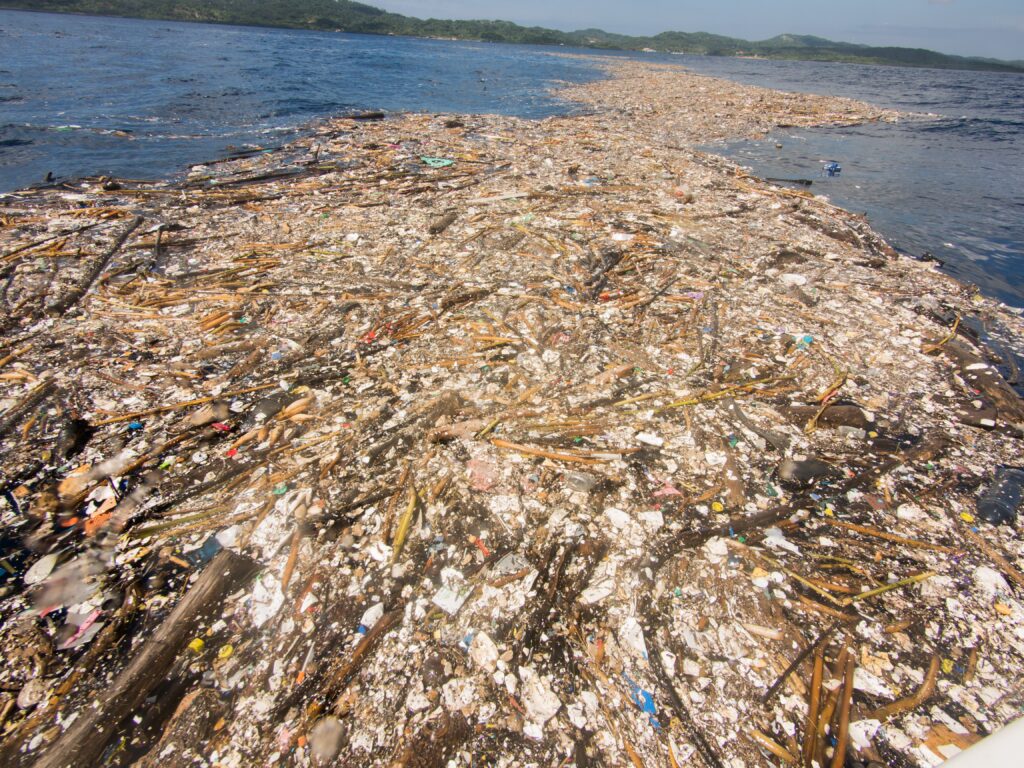
As we gaze out at the vast expanse of our oceans, it’s hard not to feel a sense of pride and wonder at the incredible beauty and diversity that exists beneath the surface. But, nestled among the coral reefs and schools of fish, is a disturbing reality: the Island of Trash.
This issue may seem far-fetched, but trust us when we say it’s a pressing concern that demands our attention. The Great Pacific Garbage Patch, also known as the Pacific Trash Vortex, has been a topic of discussion for years, and its impact on our environment is nothing short of alarming.
What is the Island of Trash?
The Great Pacific Garbage Patch is a massive accumulation of plastic debris in the North Pacific Ocean. It’s estimated to be three times the size of France and contains over 100 million tons of trash, including microplastics, macroplastics, and other pollutants.
But this isn’t an isolated incident; there are similar islands of trash present in all major oceans, including the Atlantic Garbage Patch in the North Atlantic and the Indian Ocean Garbage Patch. Even our own Mediterranean Sea is not immune to this problem.
How did it happen?
The formation of these islands of trash can be attributed to a combination of human activities, including:
- Overconsumption and misuse of plastics: The widespread use of single-use plastics has led to an explosion in plastic waste, with many items being used once and then discarded.
- Poor waste management practices: Inadequate waste disposal infrastructure and lack of regulations have allowed trash to build up in our oceans.
- Lack of regulations and enforcement: Despite the growing awareness of this issue, there is still a lack of concrete action being taken by governments and industries to address it.
As the plastic debris accumulates in the ocean, it forms a massive vortex that traps more and more waste, creating an ever-growing problem.
The Science Behind the Island of Trash
The Great Pacific Garbage Patch is not just a visual pollution issue; it’s also having a profound impact on the marine ecosystem. The presence of trash in the ocean affects the behavior, physiology, and reproduction of many marine species.
- Microplastics: These tiny pieces of plastic can be ingested by small animals, which then become part of the food chain.
- Macroplastics: Larger pieces of plastic debris can entangle or blockage marine animals, causing physical harm.
- Chemical pollutants: Plastic debris can leach chemicals into the ocean, contaminating the water and affecting aquatic life.
The Consequences: Harm to Marine Life
The effects of these islands of trash on our environment are far-reaching and devastating. Some of the impacts include:
- Harm to marine life: The ingestion of plastic debris can cause physical harm, blockages, and even death for countless species.
- Contamination of food chains: When animals ingest plastic, it can work its way up the food chain, contaminating human food sources.
- Damage to ecosystems: The buildup of trash can disrupt delicate balance within ecosystems, leading to a decline in biodiversity.
The Human Cost: Economic and Social Impacts
The Island of Trash also has significant economic and social implications for communities affected by it. Some of the costs include:
- Loss of fisheries and tourism: The presence of trash in the ocean can drive away marine life, impacting commercial fisheries and tourism industries.
- Health impacts: Exposure to plastic debris has been linked to a range of health problems, including cancer, reproductive issues, and neurological damage.
- Community stress: The visual pollution caused by these islands of trash can cause significant stress and anxiety for local communities.
Is it solvable?
While the situation seems dire, there is hope. By working together, we can make a difference:
- Reduce plastic use: One of the most effective ways to combat this issue is by reducing our reliance on single-use plastics.
- Improve waste management: Governments and industries must invest in infrastructure that allows for proper waste disposal and recycling.
- Raise awareness: Education and advocacy are key to changing behaviors and attitudes towards plastic use.
Implementing Solutions
There are already many initiatives underway to address the issue of the Island of Trash:
- The Ocean Cleanup Project: This organization aims to remove 90% of the trash in the Great Pacific Garbage Patch by 2040.
- Marine Debris Removal: Governments and non-profit organizations are working together to remove trash from our oceans.
- Plastic Reduction: Campaigns and initiatives are underway to reduce plastic use, promote recycling, and increase public awareness.
Conclusion
The Island of Trash serves as a stark reminder of the consequences of our actions. As we strive to create a more sustainable future, it’s essential that we acknowledge this problem and work together to address it.
By making conscious choices about how we consume and dispose of waste, we can reduce the amount of trash that ends up in our oceans and begin to heal the damage already done.
Frequently Asked Questions
- Q: How did the Great Pacific Garbage Patch form?
A: The formation of this island of trash is attributed to a combination of human activities, including overconsumption and misuse of plastics, poor waste management practices, and lack of regulations. - Q: What are the consequences of these islands of trash on marine life?
A: The ingestion of plastic debris can cause physical harm, blockages, and even death for countless species. - Q: Can we reverse the effects of these islands of trash?
A: By reducing our reliance on single-use plastics, improving waste management, and raising awareness, we can begin to mitigate the damage already done.
What Can You Do?
There are many ways you can contribute to addressing this problem:
- Reduce your plastic use: Choose products with minimal packaging, buy in bulk, and avoid single-use items.
- Recycle correctly: Make sure to recycle all types of plastics and participate in local recycling programs.
- Participate in beach cleanups: Join your community in picking up trash on our beaches.
Every small action counts, and together we can make a significant impact.


