
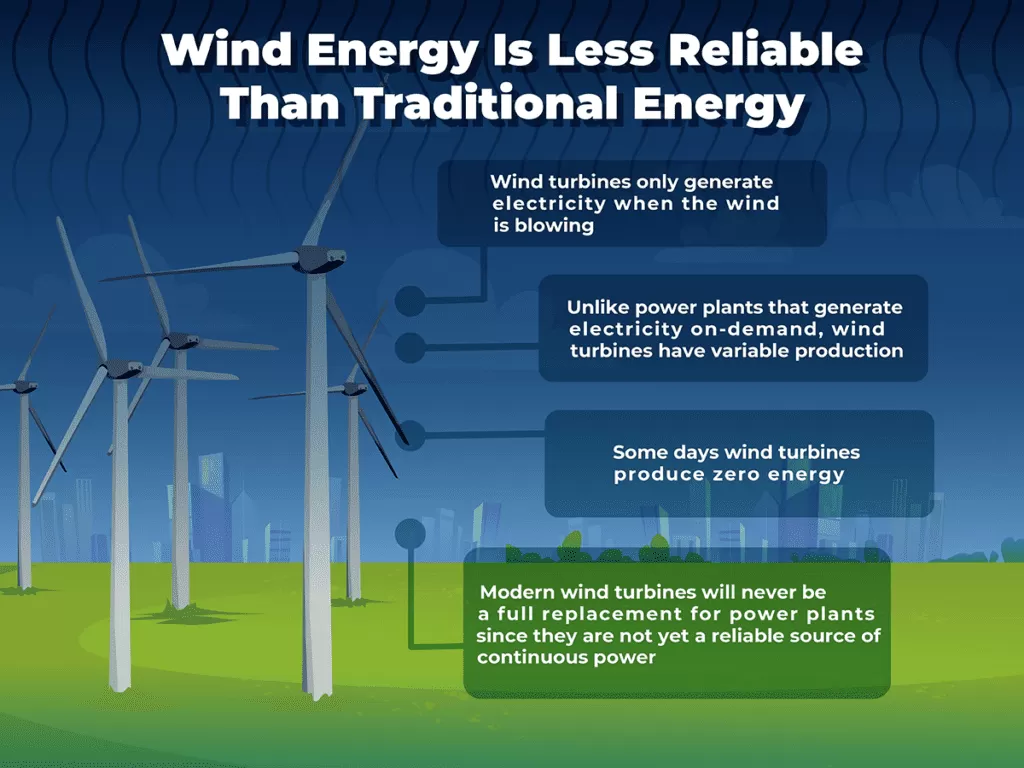
When it comes to clean energy sources, wind power is undoubtedly one of the most promising. The estimates suggest that there’s a huge potential for wind energy, ranging from as low as 72 terawatts (TW) to as high as 142 TW. To put this into perspective, if we’re talking about satisfying the entire global electricity demand with just 15 TW, it might seem like the world’s energy problems could be solved by wind power alone.
However, a recent study conducted at Harvard University reveals that these estimates are wildly exaggerated. According to David Keith, a physicist at Harvard and the author of the study published in Environmental Research Letters, the actual potential for wind energy is only about one-fifth of what we thought before.
The Problem with Wind Energy Estimates
So, how did we get it so wrong? The answer lies in the way we’ve been approaching wind energy research. One major issue is the effect of the “turbulence wake” created by each turbine on neighboring turbines. This wake can significantly reduce the efficiency of nearby turbines, making it difficult to maximize overall production.
To understand this better, let’s imagine a row of wind turbines like soldiers standing shoulder-to-shoulder. If one soldier creates a significant disturbance (the turbulence wake), his neighbors will struggle to stand up straight and maintain their effectiveness. This is exactly what happens in real-world wind farms.
The Real Potential of Wind Energy
So, how much wind energy can we actually rely on? David Keith’s research suggests that even with optimal turbine placement and design, the effective power output per square meter (1 watt/m²) is a mere 1/5 of what we thought before. This means that only about 10% of global electricity demand could be satisfied by wind power alone.
However, it’s essential to note that this study has its limitations, and there may be other factors at play that aren’t yet accounted for. For example, offshore wind farms have a significant potential that hasn’t been fully tapped into.
The Importance of Offshore Wind Farms
While the study suggests that onshore wind power is not as effective as we thought, offshore wind farms could potentially change this narrative. The deeper waters and stronger winds near coastlines can lead to significantly higher energy production.
In fact, some estimates suggest that offshore wind power could account for up to 30% of global electricity demand by 2050. This is a game-changer in the fight against climate change.
Conclusion
Wind energy is still an essential part of our transition towards a cleaner, greener future. While we may not be able to rely on it as much as we thought, it’s still worth exploring and investing in.
As we move forward, it’s crucial that we continue researching new technologies and innovative approaches to maximize wind energy production. With the help of advancements like floating wind turbines and improved turbine designs, we might just find a way to make wind power a more significant contributor to our global energy mix.
Frequently Asked Questions
Q: Is wind energy still a viable option for meeting our global electricity demand?
A: While the estimates suggest that onshore wind power may not be as effective as we thought, offshore wind farms and other technologies could potentially change this narrative.
Q: What are some of the limitations of current wind energy research?
A: One major issue is the effect of turbulence wake on neighboring turbines, which can reduce overall production. Additionally, there may be other factors at play that aren’t yet accounted for in our estimates.
Q: How much potential do offshore wind farms have?
A: Offshore wind farms could potentially account for up to 30% of global electricity demand by 2050, making them a significant contributor to our transition towards a cleaner energy mix.
Q: Can we still rely on wind energy to solve the world’s energy problems?
A: While it may not be as simple as just building more turbines and expecting a magic solution, wind energy is still an essential part of our journey towards a more sustainable future.
Q: What are some potential solutions to improve wind energy production?
A: Advancements in turbine design, improved placement strategies, and the development of new technologies like floating wind turbines could all help maximize wind energy production.
Q: How can we balance the benefits of wind energy with concerns about its effectiveness?
A: By continuing to research and innovate, we can find ways to make wind power a more significant contributor to our global energy mix while minimizing its limitations.
Q: What role does wind energy play in reducing greenhouse gas emissions?
A: Wind energy is an essential component of our transition towards a cleaner, greener future. By harnessing the power of the wind, we can reduce our reliance on fossil fuels and lower greenhouse gas emissions.
Q: How can governments and corporations support the development of wind energy?
A: Governments and corporations can provide incentives for investment in wind energy research and development, support the growth of the industry, and encourage innovation and collaboration between stakeholders.
Q: What are some potential challenges associated with implementing large-scale wind energy projects?
A: Challenges like noise pollution, visual impact, and wildlife habitat disruption can arise during the implementation process. However, with careful planning and coordination, these issues can be mitigated.
Q: How can we ensure that wind energy is developed in a way that benefits local communities?
A: By engaging with local stakeholders, conducting thorough environmental assessments, and implementing measures to minimize negative impacts, we can ensure that wind energy development aligns with community needs and values.
The Future of Wind Energy
As the world continues to grapple with the challenges of climate change, it’s clear that wind energy will play a vital role in our transition towards a cleaner, greener future. While there are certainly limitations to its potential, advances in technology and innovative approaches could help us unlock new opportunities for wind power.
In addition to offshore wind farms, other emerging technologies like floating wind turbines, advanced turbine designs, and grid-scale energy storage systems could all contribute to the growth of wind energy production.
The Importance of Collaboration
As we move forward, it’s essential that we prioritize collaboration between governments, corporations, and stakeholders to drive innovation and growth in the wind energy sector. By working together, we can overcome some of the challenges associated with implementing large-scale wind energy projects and ensure that this technology is developed in a way that benefits local communities.
The Need for Sustainable Energy Solutions
As the world continues to transition towards a cleaner, greener future, it’s clear that sustainable energy solutions like wind power will be essential. By harnessing the power of the wind, we can reduce our reliance on fossil fuels and lower greenhouse gas emissions, helping to mitigate the impacts of climate change.
In conclusion, while the estimates suggest that wind energy may not be as effective as we thought, it’s still a vital component of our transition towards a cleaner, greener future. By continuing to research and innovate, we can unlock new opportunities for wind power and ensure that this technology is developed in a way that benefits local communities.
The Future of Renewable Energy
As the world continues to grapple with the challenges of climate change, it’s clear that renewable energy sources like wind power will play an increasingly important role in our transition towards a cleaner, greener future. While there are certainly limitations to its potential, advances in technology and innovative approaches could help us unlock new opportunities for wind power.
In addition to offshore wind farms, other emerging technologies like floating wind turbines, advanced turbine designs, and grid-scale energy storage systems could all contribute to the growth of wind energy production.
The Role of Government Policy
Government policy will play a critical role in shaping the future of wind energy. By providing incentives for investment in wind energy research and development, governments can help drive innovation and growth in the sector.
Additionally, policies aimed at reducing greenhouse gas emissions and promoting renewable energy could also help to support the growth of wind power. Whether through carbon pricing, tax credits, or other mechanisms, government policy can play a vital role in creating a level playing field for wind energy.
The Importance of Public Engagement
Public engagement is essential for ensuring that wind energy development aligns with community needs and values. By engaging with local stakeholders and conducting thorough environmental assessments, we can minimize negative impacts and ensure that wind energy projects are developed in a way that benefits everyone involved.
In addition to public engagement, education and awareness campaigns could also help to promote the benefits of wind energy and address concerns about its effectiveness. Whether through social media, community outreach programs, or other mechanisms, education and awareness campaigns can play a vital role in shaping public opinion about wind energy.
The Future of Wind Energy: Opportunities and Challenges
As we move forward, it’s clear that wind energy will continue to play an important role in our transition towards a cleaner, greener future. While there are certainly challenges associated with implementing large-scale wind energy projects, advances in technology and innovative approaches could help us unlock new opportunities for wind power.
In addition to offshore wind farms, other emerging technologies like floating wind turbines, advanced turbine designs, and grid-scale energy storage systems could all contribute to the growth of wind energy production.


