
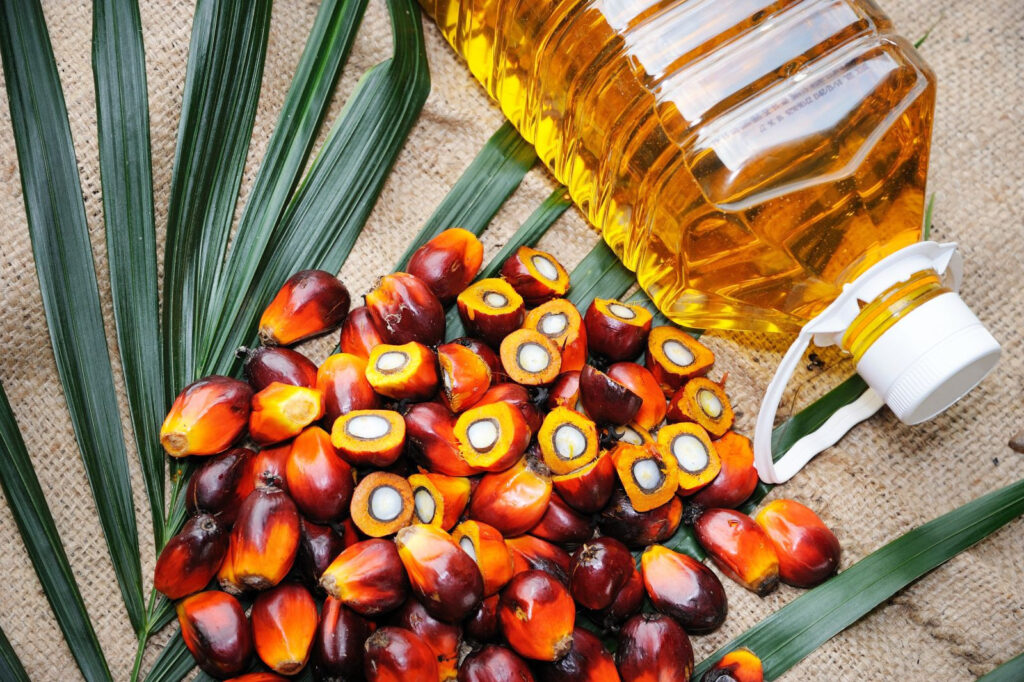
As we reach for our morning toast or snack on a bag of chips, few of us stop to think about the ingredients that make up those tasty treats. One such ingredient is palm oil, a ubiquitous presence in our food system. But what exactly is palm oil, and is it truly as harmless as it seems? In this article, we’ll delve into the complex world of palm oil, exploring its effects on human health and the environment.
The Environmental Toll
Before we dive into the health implications, let’s take a closer look at the devastating impact of palm oil production on the environment. The production of palm oil is the primary cause of deforestation in Malaysia and Indonesia, where 87% of global palm oil production takes place. This destruction of habitats not only threatens native species like orangutans but also contributes to climate change.
Malaysian rainforests, for example, have been cleared at an alarming rate due to the demand for palm oil. In 2019 alone, over 3.8 million hectares of forest were lost, resulting in the displacement of thousands of indigenous communities and the loss of biodiversity. The destruction of these forests also disrupts natural water cycles, leading to increased flooding and droughts in surrounding areas.
Furthermore, the use of palm oil as a biofuel contributes to greenhouse gas emissions, exacerbating climate change. In Indonesia, for instance, the production of palm oil has been linked to deforestation and habitat loss, with an estimated 10% of global carbon emissions attributed to palm oil production.
The Human Cost
Unfortunately, the environmental impact of palm oil is not the only concern. The industry also perpetuates human rights abuses on a massive scale. According to a report by Bloomberg Businessweek, an estimated 3.7 million workers are employed in the palm oil industry, with thousands of children forced into child labor.
In Malaysia, for example, the palm oil industry has been linked to allegations of land grabbing, where small-scale farmers and indigenous communities have had their land confiscated without fair compensation. This has led to widespread poverty and social unrest among affected communities.
Furthermore, the use of child labor in the palm oil industry is a persistent problem. In Indonesia, for instance, it’s estimated that over 1 million children are employed in the industry, many of whom work long hours in hazardous conditions with little or no education.
The Properties of Palm Oil
So what makes palm oil so versatile and widely used? The properties of palm oil depend on the type of product being produced – refined palm oil or unrefined, also known as palm kernel oil. Unrefined palm oil has a high concentration of vitamins and antioxidants, making it a popular ingredient in health supplements and programs aimed at reducing vitamin A deficiencies.
However, when palm oil is refined, its nutritional value is significantly reduced. What remains are unhealthy fats that can contribute to cardiovascular disease and other health issues.
Unrefined palm kernel oil, on the other hand, has been shown to have potential health benefits. It contains high levels of vitamins E and B3, as well as antioxidants like beta-carotene. These nutrients make it a popular ingredient in natural remedies for conditions like arthritis and skin disorders.
The Health Risks
So what’s the big deal about palm oil? One major concern is its high content of saturated fatty acids, particularly palmitic acid. These saturated fats have been linked to an increased risk of heart disease and other health problems.
In Belgium, for example, the Belgian Food Safety Authority has officially discouraged the use of refined palm oil due to its potential health risks. Furthermore, studies have shown that consuming high amounts of palm oil can increase the risk of certain types of cancer.
Additionally, palm oil has been linked to a range of other health issues, including obesity and metabolic disorders. A study published in the Journal of Nutrition found that consuming high amounts of palm oil led to increased body weight gain and insulin resistance in mice.
Palm Oil in Industry
Despite these health concerns, palm oil remains a staple ingredient in many industries. It’s used in margarine, chocolate spreads like Nutella, crackers, biscuits, and baked goods. Its affordability makes it an attractive option for manufacturers looking to reduce costs.
However, the widespread use of palm oil has led to calls for greater regulation and transparency in its production. As consumers become more aware of the environmental and health implications of their food choices, there’s growing demand for sustainable alternatives.
Some companies are now taking steps to address these concerns by using certified sustainable palm oil (CSPO) or reducing their reliance on palm oil altogether. For instance, the multinational food company Unilever has pledged to source 100% of its palm oil from sustainably managed sources by 2025.
Conclusion
The story of palm oil is complex and multifaceted, with far-reaching consequences for both human health and the environment. While it may seem like a harmless ingredient, the truth is that palm oil production is responsible for devastating deforestation and perpetuates human rights abuses.
As we make informed choices about our food systems, we must also consider the broader implications of our actions. By supporting sustainable and responsible agriculture practices, we can help mitigate the negative effects of palm oil and promote a healthier, more equitable world for all.
Frequently Asked Questions
- What is palm oil?
Palm oil is a vegetable-based oil extracted from the fruit of the oil palm tree. - Is palm oil bad for my health?
While unrefined palm oil has potential health benefits, refined palm oil can contribute to cardiovascular disease and other health issues due to its high content of saturated fatty acids. - What’s the impact of palm oil production on the environment?
The production of palm oil is a leading cause of deforestation in Malaysia and Indonesia, resulting in habitat destruction for native species like orangutans. - Is palm oil linked to child labor?
Yes, an estimated 3.7 million workers are employed in the palm oil industry, with thousands of children forced into child labor. - What’s the difference between refined and unrefined palm oil?
Unrefined palm oil has a higher concentration of vitamins and antioxidants, while refined palm oil is stripped of its nutritional value and contains unhealthy fats. - Is there a sustainable alternative to palm oil?
Yes, many companies are now using sustainable alternatives like coconut oil or sunflower oil in their products. - What’s the role of palm oil in food production?
Palm oil is used in margarine, chocolate spreads, crackers, biscuits, and baked goods due to its affordability and versatility. - Can I avoid palm oil altogether?
Yes, many companies now label their products as “palm oil-free” or offer alternative options for consumers who want to avoid palm oil.
What You Can Do
As a consumer, there are several steps you can take to reduce your reliance on palm oil and promote sustainable practices in the food industry:
- Read labels: Check the ingredient list of your favorite products and look out for certifications like RSPO or Fairtrade.
- Choose sustainable brands: Support companies that use certified sustainable palm oil or have made commitments to reduce their palm oil usage.
- Cook from scratch: Preparing meals from scratch allows you to control the ingredients used in your cooking, making it easier to avoid palm oil.
- Spread awareness: Share articles and information about the negative impacts of palm oil production with friends and family.
By taking these steps, we can help promote a healthier, more sustainable food system for all.


