
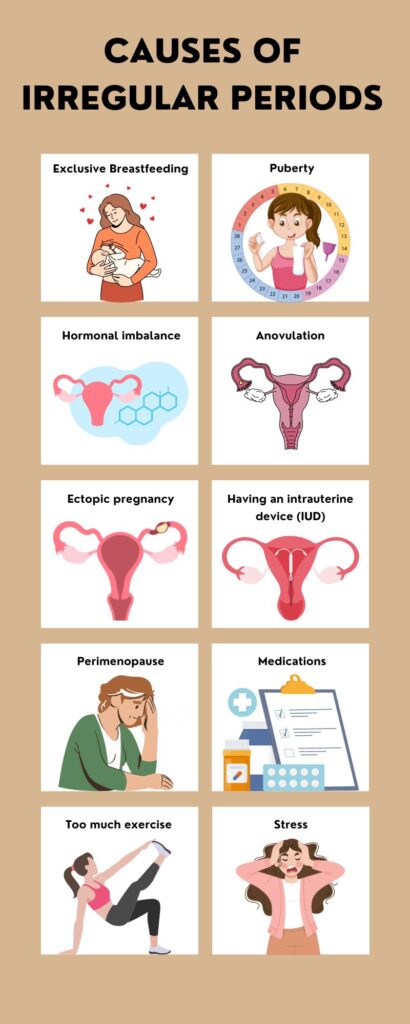
Menstrual irregularities are more than just a pesky period; they’re a sign that your body is trying to tell you something. But what’s going on, and how can you get back on track?
What is Menstruation, Anyway?
Before we dive into the world of irregular periods, let’s take a step back and understand what menstruation is all about. Menstruation isn’t just one event; it’s a cycle of changes that occur every 28 days (or so). It’s like a natural reset button, preparing your body for pregnancy.
The Phases of Menstruation
Think of the menstrual cycle as three main phases:
- Follicular Phase: This is when your body starts to produce follicle-stimulating hormone (FSH), which stimulates the growth of follicles in the ovaries. It’s like a wake-up call for your reproductive system!
- Ovulation: When an egg is released from the ovary, it’s like a little present waiting to be fertilized.
- Luteal Phase: This is when your body starts to produce progesterone, preparing the uterus for implantation of a fertilized egg.
What are Menstrual Irregularities?
Menstrual irregularities occur when your cycle doesn’t follow the usual pattern. It’s like your period has become unpredictable and uncooperative!
There are two main types of menstrual irregularities:
- Ovulatory Disorder: This is when you have trouble ovulating or releasing an egg.
- Anovulatory Disorder: This is when your body doesn’t produce a hormone called luteinizing hormone (LH), which triggers ovulation.
When to Seek Medical Attention
If you’re experiencing any of the following, it’s time to consult your doctor:
- Irregular periods that last more than 35 days
- Heavy bleeding or clots
- Prolonged menstrual cycles
- Difficulty getting pregnant
What Causes Menstrual Irregularities?
There are many potential causes of menstrual irregularities. Some common culprits include:
- Hormonal Imbalance: Changes in estrogen and progesterone levels can affect your cycle.
- Stress: Physical or emotional stress can disrupt your hormonal balance.
- Weight Loss: Sudden changes in weight can throw off your cycle.
- Exercise: Intense exercise can interfere with ovulation.
Natural Remedies for Menstrual Irregularities
Before reaching for the doctor’s couch, try these natural remedies to regulate your menstrual cycle:
- Keep a Period Diary: Tracking your periods can help you identify patterns and potential causes of irregularities.
- Dietary Changes: Eat a balanced diet rich in whole foods, fruits, and vegetables.
- Stress Management: Practice relaxation techniques like meditation or yoga to reduce stress levels.
- Herbal Remedies: Certain herbs like chamomile, peppermint, and ginger may help regulate your cycle.
The Impact of Life’s Milestones on Menstrual Cycles
Life events can greatly impact your menstrual cycle. For example:
- Puberty: First periods can be irregular due to hormonal changes.
- Gravidanza: Pregnancy can disrupt your natural cycle.
- Parto: Childbirth can affect your reproductive system.
- Menopausa: This life transition marks the end of your menstrual cycle.
Frequently Asked Questions
- Q: How long should my periods last?
A: Typically, periods last 5 days, but this can vary from person to person. - Q: What causes heavy bleeding?
A: Heavy bleeding can be caused by hormonal imbalances, uterine polyps, or fibroids. - Q: Can exercise affect my menstrual cycle?
A: Yes, intense exercise can disrupt ovulation and menstruation. - Q: How long does it take to get pregnant after a period?
A: It’s generally recommended to wait 10-15 days after your period for sperm counts to be at their highest.
Common Causes of Menstrual Irregularities
In addition to hormonal imbalances, stress, and lifestyle changes, there are several other factors that can contribute to menstrual irregularities:
- Thyroid Issues: An underactive or overactive thyroid gland can disrupt your menstrual cycle.
- Adrenal Gland Imbalance: Changes in cortisol levels can affect ovulation and menstruation.
- Polycystic Ovary Syndrome (PCOS): This hormonal disorder can cause irregular periods, cysts on the ovaries, and other symptoms.
Natural Remedies for PCOS
If you have PCOS, try these natural remedies to regulate your menstrual cycle:
- Fenugreek: This herb may help improve insulin sensitivity and ovulation.
- Guggul: This Ayurvedic herb can help balance hormones and improve fertility.
- Probiotics: Maintaining a healthy gut microbiome is essential for hormone regulation and overall health.
Menstrual Irregularities in Women Over 40
As women age, their menstrual cycles may become less predictable and more irregular. Some potential causes of menstrual irregularities in women over 40 include:
- Hormonal Decline: Decreasing estrogen levels can affect ovulation and menstruation.
- Thyroid Issues: An underactive thyroid gland can cause irregular periods.
- Menopause-Related Changes: Hot flashes, night sweats, and vaginal dryness can disrupt your menstrual cycle.
Natural Remedies for Menopausal Women
If you’re experiencing menopausal symptoms, try these natural remedies to regulate your menstrual cycle:
- Black Cohosh: This herb may help alleviate hot flashes and other menopausal symptoms.
- Red Clover: Isoflavones in red clover can help balance hormones and improve fertility.
- Omega-3 Fatty Acids: These healthy fats can reduce inflammation and promote hormone regulation.
Conclusion
Menstrual irregularities are more common than you think, but they’re not necessarily a sign of a larger problem. By understanding the causes and taking proactive steps, you can regulate your menstrual cycle and get back on track with your reproductive health. Remember to keep a period diary, eat a balanced diet, practice stress management techniques, and explore natural remedies like herbal supplements and probiotics.
Additional Tips for Regulating Menstrual Cycles
- Get Enough Sleep: Aim for 7-8 hours of sleep per night to regulate hormones and promote menstrual health.
- Exercise Regularly: Engage in moderate exercise, such as yoga or brisk walking, to improve cardiovascular health and reduce stress levels.
- Stay Hydrated: Drink plenty of water throughout the day to maintain healthy hormone production and fluid balance.
- Practice Stress Management Techniques: Try meditation, deep breathing exercises, or other relaxation techniques to manage stress and promote menstrual regularity.
By incorporating these tips into your daily routine and exploring natural remedies for menstrual irregularities, you can take control of your reproductive health and enjoy a more predictable and healthy menstrual cycle.


