
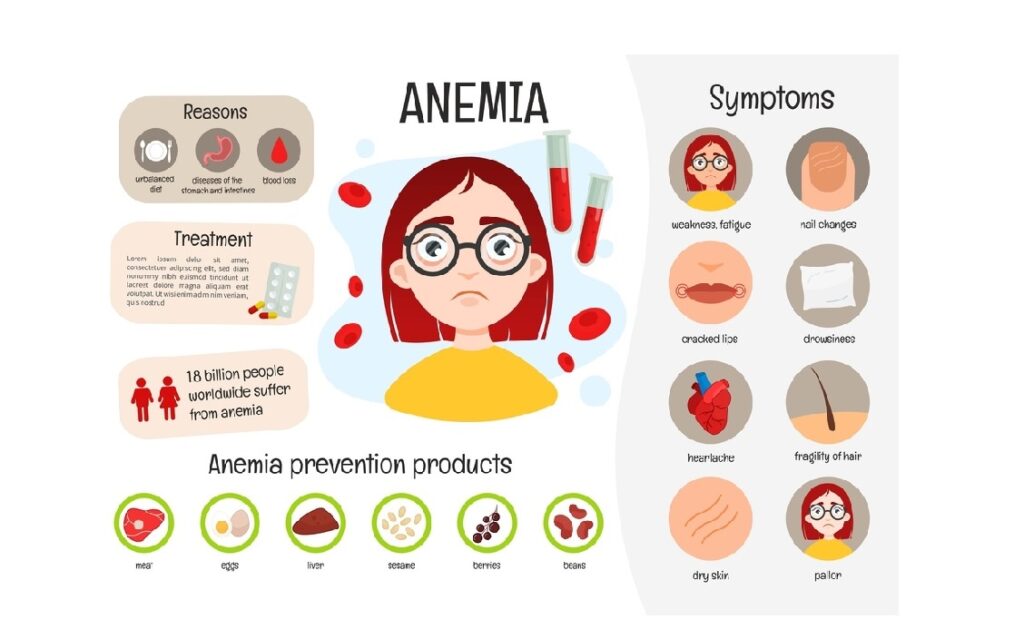
Iron deficiency is a widespread problem affecting over half of the population. It can cause a range of symptoms, from fatigue and pale skin to palpitations and poor circulation.
What is Iron?
Iron is an essential nutrient necessary for producing hemoglobin, a protein in red blood cells that carries oxygen to all parts of the body. Without sufficient iron, the body cannot produce enough healthy red blood cells, leading to inadequate oxygen delivery.
Causes of Iron Deficiency
Iron deficiency can be caused by various factors, including:
- Poor diet: Not consuming enough iron-rich foods
- Chronic bleeding: Heavy menstrual periods or internal bleeding
- Pregnancy and childbirth: Increased iron needs during pregnancy and after delivery
- Infections: Certain infections, such as malaria, can lead to iron deficiency
- Genetic disorders: Some genetic disorders, such as thalassemia, can cause iron deficiency
- Medications: Certain medications, such as proton pump inhibitors (PPIs), can interfere with iron absorption
Symptoms of Iron Deficiency
If left untreated, iron deficiency can cause a range of symptoms, including:
- Fatigue and weakness: Feeling tired or weak, even after getting enough rest
- Pale skin: Skin may appear pale or washed out due to a lack of hemoglobin
- Headaches: Frequent headaches or migraines due to inadequate oxygen delivery
- Dizziness: Lightheadedness or dizziness when standing up or changing positions
- Poor concentration and memory: Difficulty concentrating or remembering things due to a lack of oxygen to the brain
- Restless leg syndrome: Uncomfortable sensations in the legs, such as tingling or itching
- Hair loss: Losing hair, particularly on the scalp or eyelashes
- Cold hands and feet: Feeling cold even when warm temperatures are reached
- Poor appetite: Reduced appetite due to a lack of energy or interest in food
Preventing Iron Deficiency
Fortunately, iron deficiency can be prevented by making a few simple changes to your diet and lifestyle.
Foods Rich in Iron
Incorporating iron-rich foods into your diet can help prevent iron deficiency. Some examples include:
- Red meat: Beef, lamb, and pork are all good sources of iron
- Poultry: Chicken and turkey contain iron, although the amounts may vary depending on cooking methods
- Fish: Shellfish like clams and oysters are high in iron, as well as fatty fish like salmon
- Legumes: Beans, lentils, and chickpeas are all good sources of iron, particularly if they’re cooked with vitamin C-rich foods
- Leafy greens: Spinach, kale, and collard greens contain iron, although the amounts may vary depending on cooking methods
- Nuts and seeds: Pumpkin seeds, sesame seeds, and sunflower seeds are all good sources of iron
Combining Foods for Better Absorption
To enhance iron absorption, combine iron-rich foods with vitamin C-rich foods, such as citrus fruits or bell peppers. This helps the body absorb more iron from plant-based sources.
Other Tips for Preventing Iron Deficiency
In addition to a balanced diet, consider the following tips:
- Limit caffeine and alcohol consumption: Both can interfere with iron absorption
- Avoid taking antacids or other medications that can interfere with iron absorption: Certain medications, such as PPIs, can reduce iron absorption
- Consider taking an iron supplement if your doctor recommends it: Iron supplements can help ensure adequate iron intake, particularly for individuals at risk of deficiency
Consulting Your Doctor
If you’re concerned about iron deficiency or suspect you may have it, consult with your doctor. They can help determine the best course of action and provide personalized advice.
Frequently Asked Questions (FAQs)
Here are some common questions related to iron deficiency:
-
What is the most common cause of iron deficiency?
- Poor diet: Not consuming enough iron-rich foods
-
How can I prevent iron deficiency?
-
Incorporate iron-rich foods into your diet and combine them with vitamin C-rich foods
-
Can iron deficiency be cured once symptoms appear?
-
Yes, if treated promptly and properly
-
Are there any specific nutrients that complement iron absorption?
-
Vitamin C: Helps the body absorb more iron from plant-based sources
-
Can iron deficiency affect my health in the long term?
-
Yes, it can lead to conditions like anemia, heart problems, and poor immune function
Additional Resources
If you’re interested in learning more about iron deficiency or want to explore additional resources, consider the following options:
- National Institute of Health (NIH) – Iron Deficiency
- American Heart Association (AHA) – Iron and Oxygen Delivery


