
Introduction
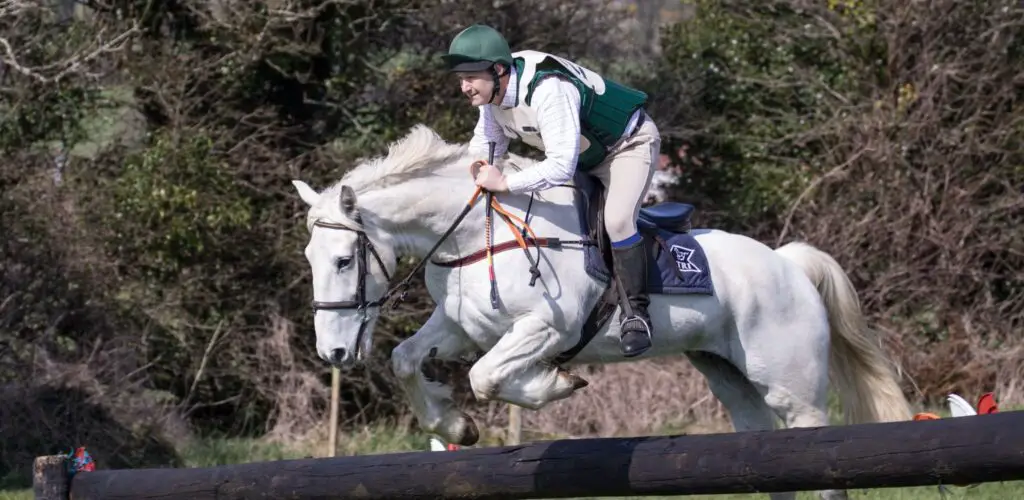
The Irish Hunter is a horse breed originating from Ireland, developed for hunting and jumping obstacles. Known for their endurance, agility, and courage, these horses are ideal for this type of activity. The Irish Hunter’s rich history, versatility, and incredible abilities on the equestrian scene make it one of the most sought-after breeds worldwide.
Origins of the Irish Hunter
With a rich history dating back to at least the 17th century, the Irish Hunter has undergone significant development over the years. Initially used for fox hunting and hare shooting, the breed later expanded its applications to include deer hunting and jumping obstacles. Throughout its evolution, the Irish Hunter has been influenced by various breeds, including the Irish Draught horse and the English saddle horse.
This blend of genetic material resulted in a horse with exceptional stamina and the ability to clear high obstacles. The breed’s popularity spread globally due to its remarkable qualities, solidifying its place as a sought-after equine companion for both recreational riding and competitive equestrian pursuits.
Characteristics and Genetics
Standing between 15.5 and 17 hands (61-68 inches or 155-173 cm) tall at the withers, the Irish Hunter is a medium-sized horse with an average build. Their coats can be bay, gray, or black in color, although bay is by far the most prevalent.
The breed boasts an excellent skeletal structure, allowing them to support riders of varying weights and navigate challenging terrain without strain. Moreover, their high level of stamina and ability to recover quickly from intense exertion make them well-suited for extended periods of riding and competition.
One of the key factors in the Irish Hunter’s genetic makeup is its intelligence, which contributes to a calm temperament that makes them an excellent choice for riders seeking companionship in both leisurely and competitive equestrian pursuits.
Physical Characteristics and Temperament
Standing at 15.5-17 hands tall, the Irish Hunter horse features an athletic build with strong limbs, powerful hooves, and a muscular back. Their head is broad and flat, with medium-sized ears and large, expressive eyes.
Their temperament is characterized by friendliness and stability, making them highly responsive to commands from their riders. Intelligent and sensitive, these horses have a natural inclination towards pleasing their owners while being capable of tackling even the most demanding tasks with confidence.
In addition to their physical characteristics and temperament, Irish Hunters are also known for their athleticism and agility. They possess excellent balance and coordination, allowing them to navigate challenging obstacles with ease.
Disciplines and Uses
Irish Hunters are versatile equine companions used in multiple equestrian disciplines, including show jumping, cross-country riding, dressage, western pleasure riding, and eventing. Their ability to adapt to different situations makes them an excellent choice for riders at all skill levels.
In particular, they excel in show jumping due to their agility, balance, and athleticism. Their robust build also lends itself well to endurance events such as cross-country riding, where stamina is paramount.
Their intelligence and calm temperament also make them suitable for dressage and eventing disciplines, where precision and control are essential. In western pleasure riding, Irish Hunters are known for their gentle disposition and willingness to please, making them an excellent choice for riders seeking a comfortable and enjoyable ride.
Conclusion
The Irish Hunter horse breed stands out for its rich history, versatility, and incredible abilities on the equestrian scene. Its ability to perform a wide range of tasks, from recreational riding to competitive jumping, solidifies its place as one of the most sought-after breeds worldwide.
By understanding their origins, genetic characteristics, physical features, and temperament, horse enthusiasts can unlock the full potential of this magnificent breed, enjoying an unforgettable partnership with these incredible animals.
FAQs
Q: What is the average height of a Hunter Irish Horse?
A: The average height of a Hunter Irish Horse ranges from 15.5 to 17 hands (61-68 inches or 155-173 cm) tall at the withers.
Q: Which breeds have influenced the development of the Irish Hunter?
A: The Irish Draught and English saddle horse are two breeds that have contributed significantly to the creation of the modern Irish Hunter horse breed.
Q: What makes Irish Hunters stand out in terms of their physical characteristics?
A: The breed boasts an excellent skeletal structure, muscular build, and powerful hooves, which enable them to perform a wide range of equestrian tasks with ease.
Q: How do Irish Hunters respond to commands from their riders?
A: Their temperament is characterized by friendliness, stability, and intelligence, making them highly responsive to commands from their owners.
Q: What types of equestrian disciplines are Irish Hunters well-suited for?
A: The breed excels in multiple disciplines, including show jumping, cross-country riding, dressage, western pleasure riding, and eventing, due to its athleticism, balance, and robust build.
Q: Can I ride an Irish Hunter if I’m a beginner?
A: Absolutely! Irish Hunters are versatile equine companions that can be used by riders of all skill levels. With proper training and guidance, beginners can quickly develop their equestrian skills on these magnificent horses.
Q: How long do Irish Hunters live?
A: The average lifespan of an Irish Hunter horse is between 25 and 30 years, although some may live up to 35 years or more with proper care and maintenance.
Q: Can I purchase a foal that will grow into an Irish Hunter?
A: Yes, you can find breeding stock for the Irish Hunter breed through reputable equine associations and breeders. However, be sure to research the potential parentage of the horse carefully to ensure it aligns with your expectations.
Q: How do I care for my Irish Hunter to maintain its health and performance?
A: Proper nutrition, regular veterinary check-ups, regular exercise, and sufficient rest are essential for maintaining the overall health and well-being of an Irish Hunter. Additionally, providing regular grooming and training can help to strengthen the bond between you and your horse.
Health Considerations
Irish Hunters are generally a healthy breed, but like all horses, they can be prone to certain health issues. Regular veterinary check-ups can help identify any potential problems early on, allowing for prompt treatment and minimizing the risk of long-term damage.
Some common health issues that may affect Irish Hunters include:
- Equine metabolic syndrome
- Laminitis
- Cushing’s disease
- Colic
- Osteochondritis dissecans (OCD)
Proper care and management can help mitigate these risks, ensuring the overall well-being of your Irish Hunter.
Breeding and Genetics
Irish Hunters are bred for their exceptional athletic ability, intelligence, and gentle temperament. Responsible breeding practices prioritize the health, well-being, and genetic diversity of the breed, resulting in horses that excel both on and off the competition circuit.
When selecting a breeding program or purchasing a foal, it’s essential to research the breeder’s reputation, ask about the parentage of the horse, and ensure that they adhere to responsible breeding practices.
Competitive Success
Irish Hunters have achieved great success in various equestrian disciplines, including show jumping, cross-country riding, dressage, and eventing. Their athleticism, balance, and intelligence make them well-suited for these demanding competitions.
In addition to their competitive success, Irish Hunters are also popular among recreational riders due to their gentle disposition, calm temperament, and willingness to please. Whether you’re a seasoned competitor or just starting out, an Irish Hunter can provide an unforgettable riding experience.
Conclusion
The Irish Hunter horse breed stands out for its rich history, versatility, and incredible abilities on the equestrian scene. Its ability to perform a wide range of tasks, from recreational riding to competitive jumping, solidifies its place as one of the most sought-after breeds worldwide.
By understanding their origins, genetic characteristics, physical features, and temperament, horse enthusiasts can unlock the full potential of this magnificent breed, enjoying an unforgettable partnership with these incredible animals.


