
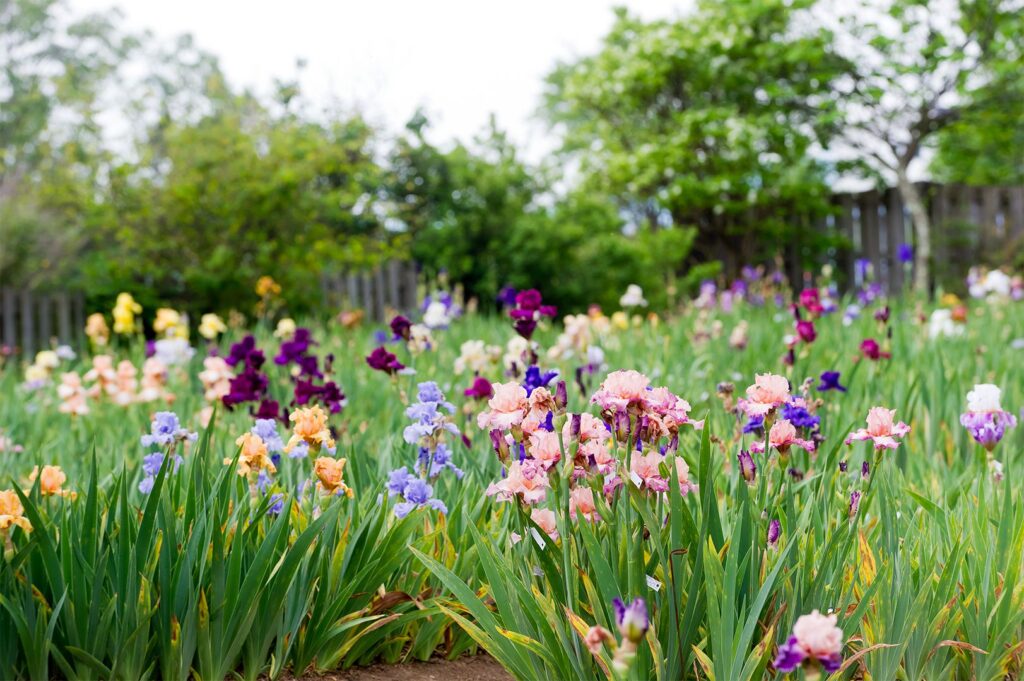
Iris, a flower known for its beauty and therapeutic properties, has been widely cultivated for centuries. From its use in traditional medicine to its popularity as a decorative element in gardens, the iris has become a beloved flower among gardeners and flower enthusiasts alike.
The Significance of Iris in Flower Language
In the language of flowers, iris is often associated with good news and good fortune. It’s also considered a symbol of faith, hope, and wisdom. The color of the iris can also convey different messages: yellow indicates passion and love, white represents purity and innocence, blue signifies faith and hope, and purple represents wisdom and knowledge.
Understanding Iris: A Description of the Flower and Plant
Iris is characterized by its unique flower structure, consisting of three petals that recurve and three true petals. The plant typically grows erect, with some varieties having a more compact growth habit. With over 200 species of iris and numerous hybrids, there’s great variation in terms of color, shape, and size.
Types of Iris: Bulbous and Rhizomatous
Iris can be broadly classified into two types: bulbous and rhizomatous. Bulbous irises are more suitable for cultivation in cooler climates and prefer well-draining soil. Rhizomatous irises thrive in moist environments and can tolerate frost.
Smelling Irises: A Guide to Finding the Right Variety
Some iris varieties are known for their intense fragrance, making them perfect for perfumers or those who appreciate the sweet scent of flowers. The iris barbata, with its pungent aroma, is a popular choice among flower enthusiasts.
When to Plant Iris
The best time to plant irises depends on the type: bulbous irises are typically planted in autumn, while rhizomatous irises can be planted in late summer or early fall. Both types of irises can be propagated through division during the growing season.
How to Divide and Propagate Irises
To divide and propagate irises, follow these steps:
- Extract the bulbs or rhizomes from the soil using a small fork.
- Gently remove any remaining soil from the rhizome.
- Cut the rhizome into sections, each about 10 cm long, making sure to include at least one growing node.
- Plant each section in a well-draining location with the base of the rhizome buried under the soil.
Growing Iris in Vases: A Guide for Indoor Cultivation
For indoor cultivation, choose a bulbous iris variety and plant it in a large enough container. Bulbous irises prefer to be planted at a depth of 8-10 cm. While they can tolerate frost, keep them in a protected location during the winter months.
Tips for Growing Iris Indoors
- Use a well-draining potting mix.
- Place the vase in a sunny location with temperatures between 65°F and 75°F (18°C and 24°C).
- Water regularly but avoid overwatering, which can lead to root rot.
- Fertilize sparingly during the growing season.
Caring for Iris
To ensure your iris blooms beautifully, provide it with the right conditions:
- Plant in well-draining soil with a pH between 6.0 and 7.0
- Water regularly but avoid overwatering, which can lead to root rot.
- Fertilize sparingly during the growing season.
- Deadhead spent flowers to encourage more blooms.
Common Problems with Iris
Iris plants may experience various problems, including:
- Overwatering, leading to root rot
- Pests like aphids and spider mites
- Diseases such as leaf spot and crown rot
To address these issues, use organic methods whenever possible and consult a gardening expert if necessary.
Conclusion
Growing iris is a rewarding experience that offers beautiful flowers, therapeutic benefits, and unique varieties. By understanding the language of flowers, choosing the right type of iris, and following proper cultivation techniques, you’ll be well on your way to becoming an expert in growing this stunning flower.
Frequently Asked Questions
- What is the best time to plant irises?
The best time to plant irises depends on the type: bulbous irises are typically planted in autumn, while rhizomatous irises can be planted in late summer or early fall. - How often should I water my iris?
Water your iris regularly but avoid overwatering, which can lead to root rot. - Can I grow irises indoors?
Yes, you can grow irises indoors using a large enough container and proper care. - What is the difference between bulbous and rhizomatous irises?
Bulbous irises are more suitable for cultivation in cooler climates and prefer well-draining soil, while rhizomatous irises thrive in moist environments and can tolerate frost. - How do I propagate irises?
To divide and propagate irises, follow the steps outlined above: extract the bulbs or rhizomes from the soil, gently remove any remaining soil, cut the rhizome into sections, and plant each section in a well-draining location with the base of the rhizome buried under the soil.


