
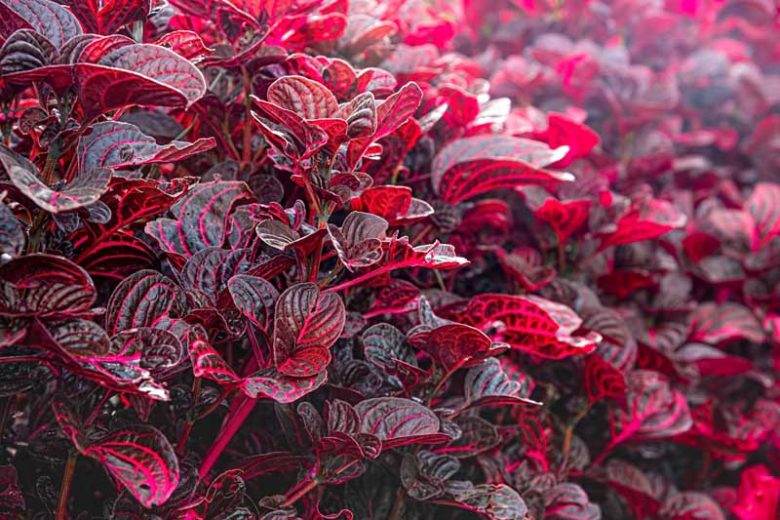
If you’re looking for a low-maintenance, yet stunning plant to add some greenery to your home or garden, consider the iresine herbstii. This evergreen perennial from South America is known for its unique characteristics and ease of care.
Understanding the Iresine Herbstii
The iresine herbstii belongs to the Amaranthaceae family and comes in various shapes and sizes. It can grow as an annual, shrub, herbaceous, or climbing plant. In its natural habitat, it can reach up to 2 meters in height, but when grown indoors, it typically reaches a maximum of 60 cm.
The plant’s leaves are distinctive, with a reddish-purple to golden hue, and have a waxy texture. There are several varieties of iresine herbstii, including the ‘Aureticolata’ and ‘Wallisi’, which feature emerald-green leaves with yellow stripes and reddish-brown margins.
Growing Iresine Herbstii: Tips and Tricks
Growing iresine herbstii is relatively easy. The plant thrives in well-draining soil mixed with peat moss and perlite, and requires bright, indirect light to maintain its vibrant colors. It’s essential to provide enough moisture, especially during the growing season.
In areas with low humidity, it’s crucial to mist the plant regularly to maintain a humid environment. During periods of drought, reduce watering and make sure not to overwater.
Lighting and Temperature Requirements
Iresine herbstii prefers bright, indirect light, but can tolerate partial shade. Direct sunlight may cause leaf scorch, so consider providing filter shades or using sheer curtains to regulate the amount of direct sunlight.
The ideal temperature range for iresine herbstii is between 18°C to 25°C (64°F-77°F). Avoid placing the plant near heating vents, radiators, or drafty windows, as this can cause stress and lead to leaf drop.
Watering and Fertilization
Iresine herbstii requires consistent moisture, especially during the growing season. Water thoroughly, allowing excess water to drain from the pot. Reduce watering during periods of drought, but avoid overwatering, which can lead to root rot.
Fertilize every 2-3 weeks with a balanced fertilizer (20-20-20) and follow the manufacturer’s instructions. You can also use a high-nitrogen fertilizer for more vigorous growth.
Pruning and Propagation
Prune your iresine herbstii every 2 months by cutting off the tips of new stems to encourage branching and prevent legginess. This will also promote healthy root growth.
To propagate, take cuttings from 10-15 cm long in the spring or autumn, remove lower leaves, and plant them in a well-draining potting mix. Keep the soil moist until roots develop.
Pest Control and Common Issues
Iresine herbstii is susceptible to pests like spider mites, mealybugs, and scale insects. Check your plant regularly for signs of infestation and treat promptly with insecticidal soap or neem oil.
Common issues include leaf drop due to inadequate light, dry air, or overwatering. Adjust your care routine accordingly to prevent these problems.
Fun Facts About Iresine Herbstii
This remarkable plant has been used by indigenous communities in South America for centuries as a natural remedy for various health issues, including anxiety and stress. The iresine herbstii leaves contain compounds with anti-inflammatory, antispasmodic, diuretic, and antioxidant properties.
In the language of flowers, the iresine herbstii represents friendship and gratitude.
Frequently Asked Questions
Q: How often should I water my iresine herbstii?
A: Water your plant consistently, but avoid overwatering. Reduce watering during periods of drought.
Q: Can I grow iresine herbstii in a pot indoors?
A: Yes, it thrives in indoor conditions with bright, indirect light and moderate temperatures.
Q: How often should I fertilize my iresine herbstii?
A: Fertilize every 2-3 weeks during the growing season (spring-fall) using a balanced fertilizer.
Q: Can I propagate iresine herbstii through division?
A: No, it’s best to take cuttings from new growth and plant them in well-draining soil.
Q: How often should I prune my iresine herbstii?
A: Prune your plant every 2 months by cutting off the tips of new stems to encourage branching and prevent legginess.
Q: Is iresine herbstii safe for pets and children?
A: Yes, it’s non-toxic to humans and pets, but avoid ingesting any parts of the plant due to potential digestive issues.
Q: Can I grow iresine herbstii outdoors in areas with extreme temperatures?
A: No, it prefers moderate temperatures (18°C-25°C) and can’t tolerate extreme cold or heat.
Additional Tips for Indoor Care
To keep your iresine herbstii thriving indoors:
- Maintain humidity levels: Use a humidifier to maintain a humidity level of 40-60% around the plant.
- Avoid drafts: Place the plant at least 10 cm away from heating vents, radiators, and drafty windows.
- Monitor temperature fluctuations: Avoid placing the plant in areas with sudden temperature changes.
- Keep it clean: Dust the leaves regularly to maintain their appearance.
Tips for Outdoor Care
To grow iresine herbstii outdoors:
- Provide shade: Protect the plant from direct sunlight during peak hours by using a trellis or shading the area.
- Water carefully: Avoid overwatering, and reduce watering during periods of drought.
- Fertilize regularly: Feed the plant with a balanced fertilizer during the growing season to promote healthy growth.
Conclusion
The iresine herbstii is a stunning and low-maintenance plant that can add a touch of greenery to your home or garden. With proper care, this remarkable plant will thrive in indoor conditions, providing you with vibrant colors and a unique beauty.


