
As we venture deeper into the Earth’s crust, we often find ourselves surrounded by rocks that are both fascinating and mysterious. These magma-rocks, also known as igneous rocks, hold secrets about our planet’s past and present. In this article, we’ll delve into the world of magma-rocks, exploring their types, formation processes, and significance in understanding the Earth’s history.
What are Magma-Rocks?
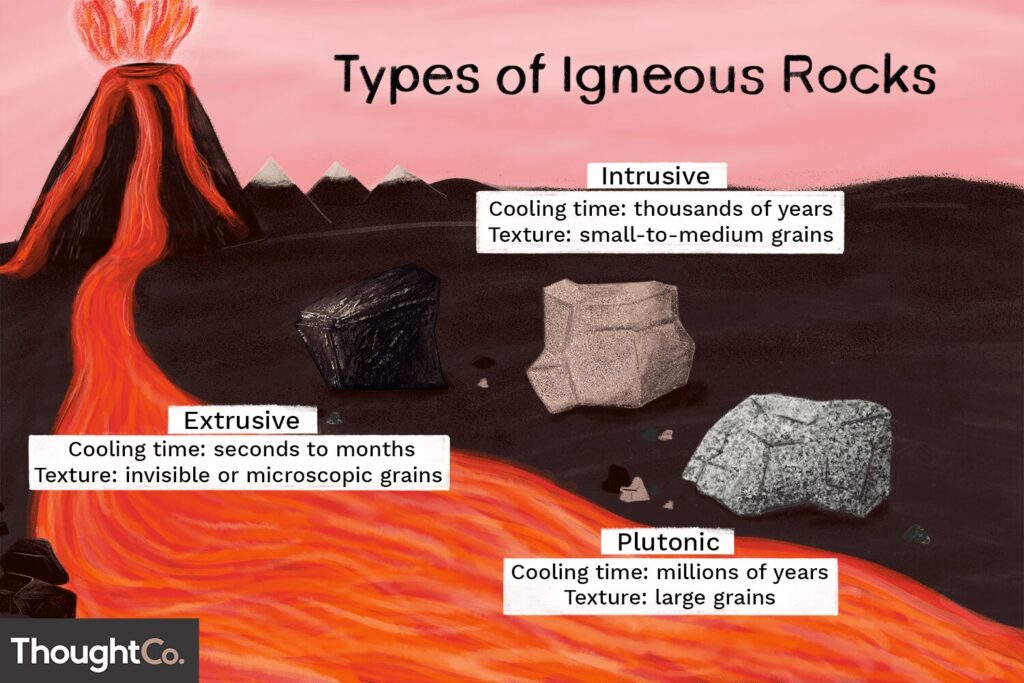
Magma-rocks are a category of rocks that originate from the solidification of molten magma. The term “igneous” comes from the Latin word for fire, referring to the fiery process of melting rock. These rocks can be intrusive or effusive, depending on how they form.
Intrusive Magma-Rocks
Intrusive magma-rocks are formed when magma cools and solidifies deep within the Earth’s crust. This slow cooling process allows for the formation of large crystals, resulting in a coarse-grained texture. The largest intrusions are often referred to as plutons, which can be several kilometers thick.
There are three main types of intrusive magma-rocks:
- Plutonites: Large, solidified masses of magma that form at great depths.
- Batoliths: Medium-sized intrusive rocks that form through the cooling and solidification of magma in the crust.
- Laccolites: Thin sheets of magma that rise to the surface, forming a dome-shaped structure.
Effusive Magma-Rocks
Effusive magma-rocks are formed when magma cools and solidifies at or near the Earth’s surface. This rapid cooling process prevents the formation of large crystals, resulting in an aphanitic texture.
The most common type of effusive magma-rock is volcanic rock, which forms through the eruption of lava flows. Other types of effusive rocks include obsidian and pumice, which are formed from rapidly cooled and solidified lava.
Formation Processes
So, how do magma-rocks form? The process begins with the melting of rock deep within the Earth’s mantle due to increased heat and pressure. This creates a pool of molten material, known as magma.
As magma rises through the crust, it can undergo several phase transformations, including orthomagmatic, pegmatitic, pneumatolitic, and hydrothermal phases. Each phase has its own unique characteristics, which are reflected in the final product – the magma-rock.
Why are Magma-Rocks Important?
Magma-rocks hold secrets about our planet’s past and present. By studying these rocks, scientists can gain insights into:
- The Earth’s mantle: The composition and temperature of the mantle can be inferred from the chemical makeup of magma-rocks.
- Geological events: The formation process and structure of magma-rocks provide clues to past geological events, such as volcanic eruptions and tectonic activity.
- Climate change: Magma-rocks can contain minerals that are sensitive to changes in temperature and pressure, allowing scientists to reconstruct the Earth’s climate history.
Granite: A Type of Intrusive Magma-Rock
One of the most common types of magma-rocks is granite. This felsic rock forms through the slow cooling of magma at great depths, resulting in a coarse-grained texture.
Granite typically contains quartz, feldspar, and mica minerals, with varying proportions depending on the specific type. The most common mineral composition of granite is:
- Quartz: 20-60%
- Feldspar: 10-30%
- Mica: 5-15%
Granite is found in many parts of the world and has a wide range of colors, from white to pink. It’s often used as a dimension stone for construction and decorative purposes.
Basalt: A Type of Effusive Magma-Rock
Another common type of magma-rock is basalt. This mafic rock forms through the rapid cooling of lava flows, resulting in an aphanitic texture.
Basalt typically contains plagioclase feldspar, pyroxene, and olivine minerals. The most common mineral composition of basalt is:
- Plagioclase: 30-50%
- Pyroxene: 20-40%
- Olivine: 10-30%
Basalt is found in many parts of the world and has a wide range of colors, from dark gray to black. It’s often used as a dimension stone for construction and decorative purposes.
Obsidian: A Type of Effusive Magma-Rock
Obsidian is a type of volcanic rock that forms through the rapid cooling of lava flows. This results in an extremely glassy texture, with no visible crystals.
Obsidian typically contains silica-rich minerals, such as quartz and feldspar. The most common mineral composition of obsidian is:
- Silica: 70-80%
- Quartz: 5-15%
- Feldspar: 2-10%
Obsidian is found in many parts of the world and has a wide range of colors, from black to dark brown. It’s often used for decorative purposes, such as making jewelry and ornaments.
Pumice: A Type of Effusive Magma-Rock
Pumice is a type of volcanic rock that forms through the rapid cooling of lava flows. This results in an extremely porous texture, with many air bubbles trapped within.
Pumice typically contains silica-rich minerals, such as quartz and feldspar. The most common mineral composition of pumice is:
- Silica: 70-80%
- Quartz: 5-15%
- Feldspar: 2-10%
Pumice is found in many parts of the world and has a wide range of colors, from white to light gray. It’s often used for decorative purposes, such as making ornaments and decorative objects.
Conclusion
In conclusion, magma-rocks are fascinating rocks that hold secrets about our planet’s past and present. By understanding their types, formation processes, and significance, scientists can gain insights into the Earth’s history and evolution. Whether it’s intrusive or effusive, magma-rocks are an integral part of our planet’s geological heritage.
Frequently Asked Questions
- What is the difference between intrusive and effusive rocks?
Intrusive rocks form deep within the Earth’s crust, while effusive rocks form at or near the surface. - How do magma-rocks form?
Magma-rocks form through the solidification of molten magma, which can occur in various environments, including the Earth’s mantle and crust. - What are some common types of magma-rocks?
Some common types of magma-rocks include granite, basalt, obsidian, and pumice. - Why are magma-rocks important?
Magma-rocks hold secrets about our planet’s past and present, providing insights into the Earth’s mantle, geological events, and climate change. - Can I collect magma-rocks?
Yes, but be sure to follow local regulations and safety guidelines when collecting rocks.


