
Are you thinking of trying natural remedies to help your body recover from intestinal parasites? It’s essential to consult with a healthcare professional first and get an accurate diagnosis. However, if you’re interested in exploring alternative approaches, let’s dive into the world of intestinal parasites and explore their characteristics, transmission methods, symptoms, and natural remedies.
What Are Intestinal Parasites?
Intestinal parasites are typically caused by protozoa (single-celled organisms that can multiply within the body) or helminths (worms and larvae that cannot multiply in the human body). The most common types of protozoa include Giardia and Cryptosporidium, while the most common helminths are tapeworms, hookworms, roundworms, and whipworms.
How Are Intestinal Parasites Transmitted?
Intestinal parasites can be transmitted through contaminated food, water, or soil. The risk factors for intestinal parasites include:
- Living in or visiting areas with high parasite prevalence
- Poor hygiene practices
- Exposure to childcare centers or other environments where parasites are common
- Weakened immune system
Animals can also carry intestinal parasites, which can be transmitted through contact with their feces.
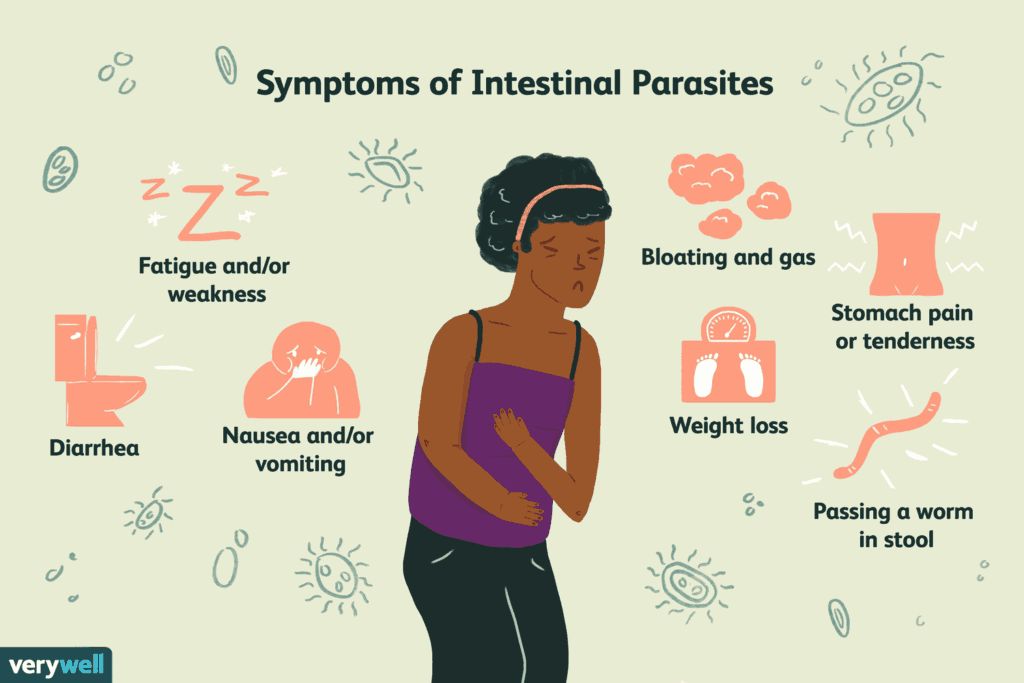
Symptoms of Intestinal Parasites
The symptoms of intestinal parasites include:
- Bloating and gas
- Diarrhea
- Fatigue or weakness
- Abdominal pain
- Nausea
- Vomiting
- Weight loss
If you suspect you have an intestinal parasite, it’s essential to consult with a healthcare professional for proper diagnosis and treatment.
Natural Remedies Against Intestinal Parasites
While there is limited scientific evidence supporting the effectiveness of natural remedies against intestinal parasites, some studies suggest that certain herbs and supplements may offer potential benefits. These include:
- Berberine: A compound extracted from the crespino plant has been shown to have anti-parasitic properties.
- Papaya seeds: An elixir made from papaya seeds and honey was found to be effective in reducing parasite loads in a study published in 2007.
- Zucchini seeds: The amino acids, fatty acids, and other compounds present in zucchini seeds may have anti-parasitic properties.
- Asafoetida: This herb has been shown to kill certain types of parasites, including Heterobranchus longifilis.
While these natural remedies may offer potential benefits, it’s essential to consult with a healthcare professional before using them, especially if you’re pregnant or have a weakened immune system.
Dietary Changes
Some practitioners recommend dietary changes to help alleviate intestinal parasite symptoms. These include:
- Avoiding processed foods, sugar, and caffeine
- Increasing consumption of fruits, vegetables, and whole grains
- Eating foods rich in beta-carotene (such as carrots and sweet potatoes)
- Consuming probiotic-rich foods like yogurt and fermented vegetables
- Avoiding raw meat and fish
It’s essential to note that there is limited scientific evidence supporting the effectiveness of dietary changes against intestinal parasites.
Lifestyle Changes
In addition to dietary changes, lifestyle modifications can also help alleviate intestinal parasite symptoms. These include:
- Practicing good hygiene, such as washing hands regularly
- Avoiding contaminated water sources and using filters when possible
- Cooking food thoroughly before consumption
- Staying hydrated by drinking plenty of water
Herbal Remedies
Some herbal remedies may offer potential benefits in treating intestinal parasites. These include:
- Black walnut: The hull of the black walnut tree contains a compound called juglone, which has been shown to have anti-parasitic properties.
- Echinacea: This herb has been traditionally used to boost the immune system and may also have anti-parasitic effects.
- Garlic: Garlic contains compounds that have been shown to have anti-parasitic properties.
- Ginger: Ginger has anti-inflammatory properties and may help alleviate symptoms of intestinal parasites.
While these herbal remedies may offer potential benefits, it’s essential to consult with a healthcare professional before using them, especially if you’re pregnant or have a weakened immune system.
Supplements
Some supplements may offer potential benefits in treating intestinal parasites. These include:
- Probiotics: Probiotics can help maintain a healthy gut microbiome and alleviate symptoms of intestinal parasites.
- Omega-3 fatty acids: Omega-3 fatty acids have anti-inflammatory properties and may help alleviate symptoms of intestinal parasites.
- Vitamin C: Vitamin C has antioxidant properties and may help boost the immune system, making it easier to fight off intestinal parasites.
While these supplements may offer potential benefits, it’s essential to consult with a healthcare professional before using them, especially if you’re pregnant or have a weakened immune system.
Natural Therapies
Some natural therapies may offer potential benefits in treating intestinal parasites. These include:
- Steam therapy: Steam therapy may help loosen and remove parasites from the intestines.
- Colon hydrotherapy: Colon hydrotherapy involves flushing the colon with water to remove parasites and other toxins.
- Acupuncture: Acupuncture may help boost the immune system and alleviate symptoms of intestinal parasites.
While these natural therapies may offer potential benefits, it’s essential to consult with a healthcare professional before using them, especially if you’re pregnant or have a weakened immune system.
Conclusion
While natural remedies may offer potential benefits, it’s crucial to consult with a healthcare professional for proper diagnosis and treatment. Intestinal parasites can cause significant discomfort and health issues if left untreated. If you suspect you have an intestinal parasite, seek medical attention immediately.
FAQs
- Can I treat intestinal parasites at home?
No, it’s essential to consult with a healthcare professional for proper diagnosis and treatment. - Are there any natural remedies that can cure intestinal parasites?
While some studies suggest potential benefits, there is limited scientific evidence supporting the effectiveness of natural remedies against intestinal parasites. - Can I use probiotics to treat intestinal parasites?
Probiotics may help alleviate symptoms but are not a substitute for proper treatment. - How long does it take to get rid of intestinal parasites?
Treatment duration varies depending on the type and severity of the parasite, as well as individual factors. - Can I use herbal supplements to treat intestinal parasites?
While some herbs may have anti-parasitic properties, consult with a healthcare professional before using them. - Are there any dietary changes that can help alleviate intestinal parasite symptoms?
Some practitioners recommend avoiding processed foods and increasing consumption of fruits, vegetables, and whole grains. - Can I use steam therapy to treat intestinal parasites?
Steam therapy may not be an effective treatment for intestinal parasites. - How can I prevent intestinal parasites in the future?
Practice good hygiene, avoid contaminated food and water, and maintain a healthy diet and lifestyle.
Prevention
Preventing intestinal parasites is crucial to maintaining overall health and well-being. Some ways to prevent intestinal parasites include:
- Practicing good hygiene, such as washing hands regularly
- Avoiding contaminated food and water sources
- Cooking food thoroughly before consumption
- Staying hydrated by drinking plenty of water
- Maintaining a healthy diet and lifestyle
Final Thoughts
Intestinal parasites can cause significant discomfort and health issues if left untreated. While natural remedies may offer potential benefits, it’s essential to consult with a healthcare professional for proper diagnosis and treatment. By practicing good hygiene, avoiding contaminated food and water sources, and maintaining a healthy diet and lifestyle, you can reduce your risk of contracting intestinal parasites.
Additional Resources
If you’re interested in learning more about intestinal parasites and natural remedies, here are some additional resources:
- National Institute of Allergy and Infectious Diseases (NIAID): The NIAID provides information on intestinal parasites and treatment options.
- Centers for Disease Control and Prevention (CDC): The CDC provides information on intestinal parasites and prevention strategies.
- American Gastroenterological Association (AGA): The AGA provides information on intestinal parasites and treatment options.
Remember, it’s always best to consult with a healthcare professional for proper diagnosis and treatment of intestinal parasites.


