
As we increasingly hear about intestinal microbiota, it’s clear that this topic is gaining popularity. However, it’s essential to separate fact from fiction and understand the significance of this microorganism.
What is Intestinal Microbiota?
Intestinal microbiota refers to the community of microorganisms present in the gastrointestinal tract. This ecosystem consists of three primary components: the intestinal barrier, the second brain, and the microbiota itself. The intestinal barrier acts as a selective filter, protecting the body from harmful substances. The second brain is a neuroendocrine structure that regulates various bodily functions. Microbiota, although not an organ in the classical sense, is intricately linked to our evolution and development.
The Composition of Intestinal Microbiota
When discussing microbiota, we’re referring to a diverse community of microorganisms, including bacteria, yeast, parasites, and viruses. In a state of balance, this ecosystem functions harmoniously, with each component performing its unique role. The composition of intestinal microbiota can vary significantly between individuals, even within the same species.
The Role of Intestinal Microbiota in Health
Intestinal microbiota plays a multifaceted role in maintaining our health and well-being. It influences metabolic processes, modulates the immune system, and synthesizes essential nutrients. Moreover, it aids in detoxification and eliminates toxins from the body. The significance of intestinal microbiota cannot be overstated; it is an essential component of our overall health.
The Gut-Brain Axis: A Key Player in Intestinal Microbiota
One of the most fascinating aspects of intestinal microbiota is its connection to the brain, often referred to as the gut-brain axis. This network of nerve cells and fibers connects the enteric nervous system (ENS) to the central nervous system (CNS), allowing for bidirectional communication between the two. The ENS produces neurotransmitters and hormones that can influence mood, behavior, and cognitive function.
Intestinal Microbiota and Obesity
Obesity is a complex condition influenced by various factors, including behavior, psychology, environment, metabolism, neuro-immuno-endocrine interactions. Research has shown that individuals with obesity have distinct characteristics in their intestinal microbiota. Specifically, the ratio of Firmicutes to Bacteroidetes bacteria is altered in obese individuals. This shift affects energy extraction from food and metabolic pathways.
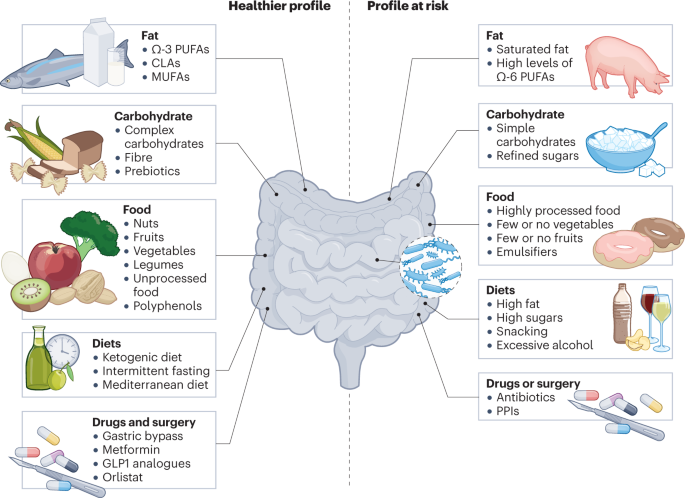
The Impact of Diet on Intestinal Microbiota
Diet plays a crucial role in shaping the composition of intestinal microbiota. A balanced and varied diet helps maintain this delicate ecosystem. Research has demonstrated that the Hadza people, a group of hunter-gatherers in Tanzania, have a unique diet that influences their gut microbiome. Studies have shown that specific bacteria are more prevalent during certain seasons.
Canine Intestinal Microbiota
Intestinal microbiota is not exclusive to humans; it’s also present in other animals, including dogs and cats. Research has shed light on the role of intestinal microbiota in canine health. For instance, Jan S. Suchodolski has conducted extensive research on this topic.
Benefits of Intestinal Microbiota
Research has shown that a healthy balance of intestinal microbiota can have numerous benefits for human health. Some of these benefits include:
- Improved immune function: A balanced gut microbiome is essential for a robust immune system.
- Enhanced metabolic processes: The gut microbiota plays a crucial role in the digestion and absorption of nutrients.
- Reduced inflammation: An imbalance of intestinal microbiota can lead to chronic inflammation, which has been linked to various diseases.
- Improved mental health: The gut-brain axis suggests that there may be a link between mental health and the composition of intestinal microbiota.
Challenges in Maintaining Intestinal Microbiota
While maintaining a healthy balance of intestinal microbiota is essential for overall well-being, it can be challenging. Some common challenges include:
- Antibiotic use: Broad-spectrum antibiotics can disrupt the delicate balance of the gut microbiome.
- Poor diet: Consuming a diet high in processed foods and sugar can lead to an imbalance of intestinal microbiota.
- Stress: Chronic stress can affect the composition of intestinal microbiota, leading to an overgrowth of certain bacteria.
Promoting a Healthy Balance of Intestinal Microbiota
Fortunately, there are many ways to promote a healthy balance of intestinal microbiota. Some effective strategies include:
- Eating a balanced diet rich in fruits, vegetables, and whole grains.
- Incorporating fermented foods into your diet, such as yogurt or sauerkraut.
- Practicing stress-reducing techniques, such as meditation or yoga.
- Getting regular exercise to maintain a healthy gut microbiome.
Conclusion
In conclusion, intestinal microbiota plays a vital role in maintaining our overall health and well-being. Understanding its composition, functions, and influences is essential for promoting optimal health. By recognizing the significance of intestinal microbiota and making informed dietary choices, we can support the balance of our ecosystem and reap the benefits.
Frequently Asked Questions
Q: What is intestinal microbiota?
A: Intestinal microbiota refers to the community of microorganisms present in the gastrointestinal tract.
Q: How does diet affect intestinal microbiota?
A: Diet plays a crucial role in shaping the composition of intestinal microbiota, with a balanced and varied diet helping maintain this delicate ecosystem.
Q: What is the relationship between Firmicutes and Bacteroidetes bacteria?
A: Research has shown that the ratio of Firmicutes to Bacteroidetes bacteria is altered in obese individuals, affecting energy extraction from food and metabolic pathways.
Q: Can intestinal microbiota influence our behavior and psychology?
A: Yes, research suggests that intestinal microbiota can modulate the immune system, influencing our overall health and well-being.
Q: How can we promote a healthy balance of intestinal microbiota?
A: A balanced and varied diet, combined with regular exercise and stress management, can help maintain a healthy balance of intestinal microbiota.
Q: Can intestinal microbiota be transferred from one individual to another?
A: While it’s theoretically possible for intestinal microbiota to be transferred through contact or other means, this is not a common occurrence in humans.
Q: What are the potential consequences of an imbalance of intestinal microbiota?
A: An imbalance of intestinal microbiota can lead to various health issues, including metabolic disorders, immune system dysfunction, and even mental health problems.
Q: How can we support research on intestinal microbiota?
A: Support for research on intestinal microbiota can be achieved by participating in studies, donating to reputable organizations, or advocating for further funding.


