
Eubiosis of the intestine is not a common topic of conversation, nor has it been mentioned in any yogurt advertisements that I can find, so it’s not currently a top trend. However, it is incredibly important for our overall well-being and we’ll explore why.
What is Eubiosis of the Intestine?
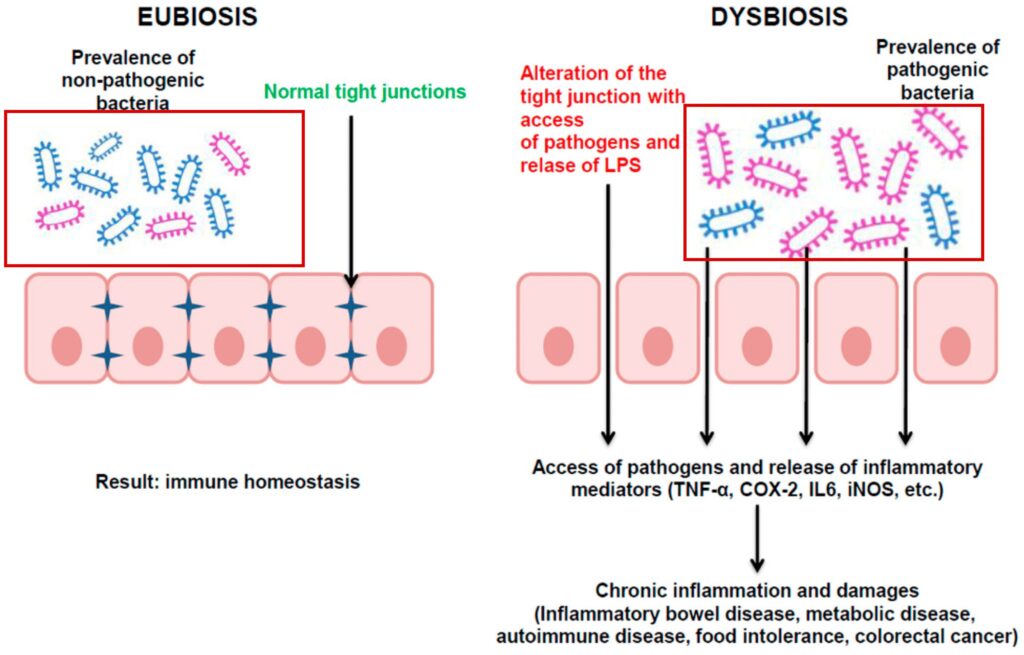
When discussing eubiosis of the intestine, we’re referring to a condition of optimal health linked to the presence of a balanced gut flora – specifically, a profusion of beneficial bacteria. It’s not guaranteed that this balance exists, and that’s what makes eubiosis a condition worth researching and maintaining through dietary changes and other methods.
Eubiosis is essentially about achieving good balance and proper functioning of the microbiota in the intestines. However, if there’s an imbalance due to external or internal factors, we don’t discuss eubiosis but disbiosis – which we’ll explore further.
When this balance is lost, a variety of problems arise, including reduced immune function, lower production of vitamins B and K, fewer beneficial bacteria, skin issues, and respiratory complications.
What Role Does the Microbiota Play in Eubiosis?
The microbiota refers to an assemblage of ecological niches containing various populations of microorganisms capable of coexisting. These microorganisms primarily serve two main functions:
- Limiting attacks by pathogenic bacteria.
- Maintaining intestinal function, including absorbing nutrients and producing fatty acids.
To give you a sense of the sheer number of microorganisms we’re talking about, consider that the human body contains six times more bacterial cells than total human cells, with over four million unique types of bacteria.
The main residents in the gut microbiota are Bifidobacteria, Lactobacilli, and Eubacterium. While these may be the most notable, it’s essential to acknowledge that their importance is dependent on their presence, not necessarily superiority.
Eubiosis vs Disbiosis: Understanding the Distinction
Creating a balanced gut microbiota isn’t easy because of over 400 distinct species living in the gastrointestinal tract – an ecosystem influenced by unpredictable and sometimes uncontrollable factors. These microorganisms play a vital role in protecting the mucosa and facilitating digestive processes.
Understanding that balance is crucial for our health, it’s imperative to prioritize eubiosis over disbiosis. If we don’t maintain this equilibrium, it can lead to conditions ripe for the proliferation of harmful bacteria. In most cases, a lack of Lactobacilli – beneficial bacteria responsible for creating an acidic environment that prevents pathogenic growth – is evident.
Disbiosis poses risks such as vaginal infections, respiratory issues, and even dental problems. When this ecosystem fails to function properly, it can trigger a chain reaction leading to intestinal permeability issues, potentially resulting in allergic reactions and autoimmune diseases. Furthermore, without beneficial bacteria, substances like nitrosamines can develop, which are usually harmless but can become harmful when produced excessively.
Disbiosis: Consequences of Imbalanced Gut Microbiota
When the balance is disrupted, it can lead to difficulties in absorbing nutrients, assimilating calcium, and producing essential vitamins B. The consequences can be quite severe if left unaddressed.
Some common symptoms associated with disbiosis include:
- Digestive issues such as bloating, gas, and diarrhea
- Skin problems like acne, eczema, or psoriasis
- Respiratory issues such as bronchitis, asthma, or chronic coughing
- Autoimmune diseases like rheumatoid arthritis, lupus, or multiple sclerosis
- Neurological problems such as migraines, seizures, or Parkinson’s disease
In addition to these symptoms, disbiosis can also lead to the development of conditions like irritable bowel syndrome (IBS), inflammatory bowel disease (IBD), and even mental health disorders.
Eubiosis Intestinale: Cura (Managing Eubiosis of the Intestine)
The first step towards recovery lies in dietary modifications – avoiding refined carbohydrates, reducing sugar intake, limiting gluten consumption, and allowing fruits and vegetables to flourish. If necessary, supplements like probiotics can help restore a healthy gut microbiota.
Frequently Asked Questions (FAQs)
- What causes eubiosis?
Eubiosis is often the result of an imbalance in our digestive system caused by dietary choices or internal factors. Ensuring proper nutrition and balancing your gut microbiome can greatly impact its health.
- Can eubiosis be treated at home?
Yes, managing eubiosis primarily involves adopting a balanced diet rich in fruits, vegetables, and probiotics to maintain healthy bacteria levels.
- Are there any specific foods that promote eubiosis?
Foods with high prebiotic properties are ideal for supporting beneficial bacteria growth. These include whole grains like oats, barley, rice bran, onions, garlic, leeks, apples, bananas, dandelion greens, and green leafy vegetables.
- What is the role of probiotics in eubiosis?
Probiotics play a crucial part in promoting overall gut health by supporting beneficial bacteria. They are especially essential when trying to manage or treat an imbalance in the digestive system.
- Can anyone develop disbiosis?
Yes, disbiosis can affect people from all walks of life and can be influenced by both internal factors (such as diet) and external influences.
- How can I test if I have eubiosis?
Symptoms such as bloating, gas, or digestive issues may serve as indicators. Regular check-ups with a healthcare professional can help determine whether eubiosis exists in your case.
- Can disbiosis be treated by doctors?
Yes, consulting with a doctor is always recommended for addressing disbiosis. Treatment plans will vary based on individual circumstances and health conditions.
- Is there anything that causes an imbalance of gut bacteria naturally?
Factors like antibiotics and certain medications can disrupt beneficial bacteria populations, leading to imbalances in the digestive system.
Dietary Changes for Eubiosis Management
Incorporating dietary changes into your daily routine is crucial for maintaining eubiosis. Here are some key recommendations:
- Eat more fiber-rich foods: Fiber acts as a prebiotic, feeding beneficial bacteria and promoting their growth.
- Increase your intake of polyphenol-rich foods: Polyphenols have antioxidant properties that help protect the gut microbiota from oxidative stress.
- Include fermented foods in your diet: Fermented foods like yogurt, kefir, sauerkraut, and kimchi contain live cultures that support beneficial bacteria growth.
- Drink plenty of water: Adequate hydration helps maintain a healthy gut environment and supports the functioning of beneficial bacteria.
Supplements for Eubiosis Management
In addition to dietary changes, supplements can also play a crucial role in managing eubiosis. Here are some key recommendations:
- Probiotics: Probiotics contain live cultures that support beneficial bacteria growth and help maintain a healthy gut microbiota.
- Prebiotics: Prebiotics act as food sources for beneficial bacteria, promoting their growth and activity.
- Omega-3 fatty acids: Omega-3 fatty acids have anti-inflammatory properties that help reduce inflammation in the gut.
- Vitamin D: Vitamin D plays a crucial role in maintaining immune function and supporting the health of the gut microbiota.
Prevention Strategies
In addition to managing eubiosis, there are several strategies you can employ to prevent it:
- Maintain good hygiene practices: Good hygiene practices like washing your hands regularly can help prevent the spread of pathogens that can disrupt the balance of beneficial bacteria.
- Avoid antibiotics unless absolutely necessary: Antibiotics can disrupt beneficial bacteria populations, leading to imbalances in the digestive system.
- Stay hydrated: Adequate hydration helps maintain a healthy gut environment and supports the functioning of beneficial bacteria.
- Get enough sleep: Getting enough sleep is essential for maintaining immune function and supporting the health of the gut microbiota.
Conclusion
Eubiosis of the intestine plays a crucial role in maintaining our overall well-being, and it’s essential to prioritize its management through dietary changes, supplements, and prevention strategies. By incorporating these recommendations into your daily routine, you can help maintain a healthy balance of beneficial bacteria and support optimal digestive health.


