
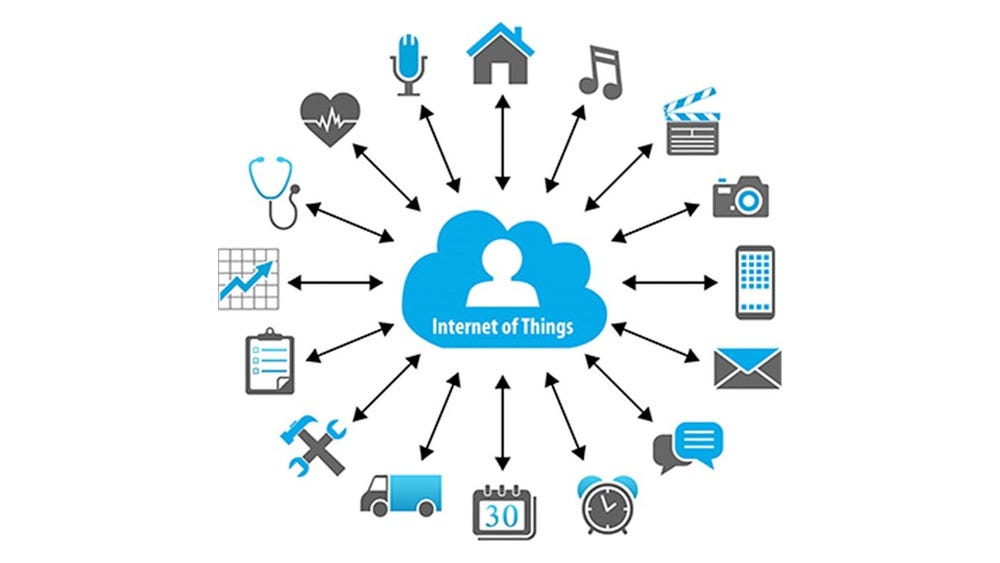
What is the Internet of Things?
The Internet of Things (IoT) is a network of physical devices, vehicles, home appliances, and other items embedded with sensors, software, and connectivity, allowing them to collect and exchange data. The concept of IoT has been around for some time, but it has gained significant attention in recent years due to its potential to revolutionize the way we live and work.
The term “Internet of Things” was first coined in 1999 by Kevin Ashton, a British technology entrepreneur and writer, who wrote an article titled “That’s Interesting!” which introduced the idea that everyday objects could be connected to the internet. Since then, IoT has evolved into a global phenomenon, with thousands of companies and startups exploring its potential.
What is the Purpose of the Internet of Things?
The primary goal of IoT is to enable objects, devices, and systems to communicate with each other and with humans, creating a more interconnected and intelligent world. This allows for real-time monitoring, analysis, and control of various aspects of our lives, from energy consumption to traffic flow.
IoT has the potential to transform industries such as healthcare, finance, transportation, and manufacturing by connecting them to the digital economy. It also enables individuals to take greater control over their daily lives, whether it’s tracking fitness goals or monitoring home security.
What Does the Internet of Things Mean?
In simple terms, IoT means that everyday objects can be connected to the internet and communicate with each other. Imagine a world where your home appliances, cars, and even wearables can talk to each other and share data in real-time. This is the power of IoT.
To illustrate this concept, consider a smart thermostat that can learn your daily routine and adjust the temperature accordingly. It’s not just a device controlling temperature; it’s an intelligent system that adapts to your lifestyle. This is the potential of IoT: transforming everyday objects into intelligent systems that improve our lives.
Examples of the Internet of Things
To understand the concept better, let’s look at some examples:
- Smart Homes: IoT enables homes to become intelligent, self-sustaining systems that monitor and control energy consumption, lighting, temperature, and security.
- Automotive: IoT connects cars to each other, enabling real-time communication between vehicles, traffic management systems, and infrastructure.
- Sports: IoT tracks athletes’ performance, providing real-time feedback on speed, distance, and heart rate.
- Industrial Automation: IoT optimizes manufacturing processes by monitoring equipment performance, predicting maintenance needs, and improving production efficiency.
Internet of Things in the Home
IoT is already being used in various ways in our homes, including:
- Smart Thermostats: Regulate temperature based on occupancy, schedule, and energy efficiency.
- Smart Lighting: Adjust brightness, color, and timing based on natural light, occupancy, and energy consumption.
- Security Systems: Monitor motion, alert you to potential threats, and control access.
Internet of Things vs. Domotica
While IoT and domotica are related concepts, they’re not exactly the same thing. Domotica refers specifically to home automation systems that control lighting, temperature, and security. IoT, on the other hand, encompasses a broader range of applications, including wearables, smart cities, and industrial automation.
Domotica is often used interchangeably with IoT, but technically, domotica is just one aspect of IoT. Domotica focuses on home automation, while IoT has a much wider scope.
The Benefits of Internet of Things
IoT offers numerous benefits, including:
- Improved energy efficiency: Smart homes can optimize energy consumption by adjusting temperature, lighting, and appliances.
- Increased safety: Security systems can detect potential threats, such as intruders or fires.
- Enhanced productivity: IoT-enabled devices can automate tasks, freeing up human time for more creative work.
- New business opportunities: IoT enables new revenue streams through data analysis, services, and products.
The Challenges of Internet of Things
While IoT has the potential to transform our lives, it also presents several challenges:
- Security risks: Connected devices can be vulnerable to cyber attacks, compromising user data and safety.
- Interoperability issues: Different devices may not communicate seamlessly with each other, hindering their effectiveness.
- Privacy concerns: IoT devices often collect sensitive data, raising questions about user consent and data protection.
Getting Started with Internet of Things
To get started with IoT, you’ll need to understand the basics:
- IoT Components: Familiarize yourself with sensors, software, and connectivity options such as Wi-Fi, Bluetooth, and cellular networks.
- IoT Ecosystems: Learn about popular IoT ecosystems like Amazon Web Services (AWS), Google Cloud IoT Core, and Microsoft Azure IoT Hub.
- IoT Development Tools: Explore development tools like Arduino, Raspberry Pi, and Node.js for building IoT projects.
Conclusion
The Internet of Things has the potential to revolutionize our lives by connecting everyday objects to the internet and enabling real-time monitoring, analysis, and control. As we continue to explore the possibilities of IoT, we can expect to see even more innovative applications in various industries and aspects of our daily lives.
IoT is not just a technology; it’s a way of thinking about how devices, systems, and humans interact with each other. By understanding its potential and limitations, we can unlock new opportunities for innovation, efficiency, and growth.
FAQs
- What is the Internet of Things?
The Internet of Things (IoT) refers to a network of physical devices, vehicles, home appliances, and other items embedded with sensors, software, and connectivity, allowing them to collect and exchange data. - What is the purpose of IoT?
The primary goal of IoT is to enable objects, devices, and systems to communicate with each other and with humans, creating a more interconnected and intelligent world. - How does IoT work?
IoT works by connecting physical devices to the internet using sensors, software, and connectivity, allowing them to collect and exchange data in real-time. - What are some examples of IoT applications?
Examples of IoT applications include smart homes, automotive, sports, and industrial automation. - How is IoT different from domotica?
IoT encompasses a broader range of applications than domotica, which specifically refers to home automation systems that control lighting, temperature, and security. - What are some benefits of IoT?
Benefits of IoT include improved energy efficiency, increased safety, enhanced productivity, and new business opportunities. - How can I get started with IoT?
Getting started with IoT requires a basic understanding of IoT technology, including sensors, software, and connectivity options. - Will IoT replace human labor?
IoT has the potential to automate many tasks, but it’s unlikely to replace human labor entirely. Instead, IoT will augment human capabilities and enhance productivity.
By understanding the concept of IoT and its applications, we can unlock new possibilities for innovation, efficiency, and growth in various industries and aspects of our lives.


