
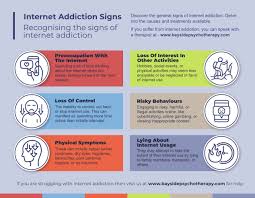
In today’s digital age, it’s easy to get caught up in the endless stream of information and entertainment that the internet has to offer. However, for some people, this can lead to a deeper issue – internet addiction disorder. This condition is often misunderstood, and many people struggle to recognize its symptoms or seek help. In this article, we’ll delve into the world of internet addiction disorder, exploring its causes, symptoms, and treatment options.
What is Internet Addiction Disorder?
Internet addiction disorder (IAD) is a recognized mental health condition characterized by excessive and compulsive use of the internet despite negative consequences in personal, social, or professional life. It’s often seen as a modern-day addiction, similar to substance abuse, but with unique symptoms and challenges.
Understanding the Symptoms of Internet Addiction Disorder
The symptoms of IAD can be subtle, making it difficult to identify. Some common signs include:
- Feeling an overwhelming urge to check email or social media constantly
- Spending increasing amounts of time online, often at the expense of other activities
- Feeling anxious or irritable when unable to access the internet
- Neglecting responsibilities, relationships, and personal hygiene due to excessive internet use
- Using the internet as a coping mechanism for stress, anxiety, or depression
Who is at Risk?
Certain individuals are more likely to develop IAD, including:
- Young people born in an era where the internet was already prevalent
- Those with pre-existing mental health conditions, such as depression or anxiety disorders
- Individuals who use the internet as a primary source of social interaction
- People who experience high levels of stress, anxiety, or boredom in their daily lives
Prevention and Early Intervention
While prevention is key, it’s often too late to intervene once IAD has taken hold. However, there are steps you can take to reduce your risk:
- Establish boundaries around internet use
- Engage in offline activities, such as exercise or hobbies
- Practice mindfulness and self-awareness when using the internet
- Set aside device-free times or zones in your home
- Consider implementing website blockers or app limits
Treatment Options
Treatment for IAD typically involves a combination of therapy and support groups. Cognitive-behavioral therapy (CBT) is often effective in addressing underlying issues and modifying behavior.
- Individual Therapy: One-on-one therapy sessions with a licensed therapist can help you identify the root causes of your internet addiction and develop strategies to overcome it.
- Support Groups: Joining a support group, either online or in-person, can connect you with others who are going through similar experiences. Sharing stories and advice can be incredibly helpful in your recovery journey.
- Online Resources: Utilize online resources, such as websites, apps, and forums, to access information, tools, and community support.
Conclusion
Internet addiction disorder is a real and serious condition that affects millions of people worldwide. By understanding its symptoms, causes, and treatment options, we can better address this complex issue. If you’re struggling with IAD or know someone who is, don’t hesitate to seek help. There’s hope for recovery and a healthier relationship with the internet.
Frequently Asked Questions (FAQs)
Q: What are the signs of internet addiction disorder?
A: Common signs include excessive online use, feeling anxious when unable to access the internet, neglecting responsibilities, and using the internet as a coping mechanism for stress or emotions.
Q: Who is at risk of developing IAD?
A: Young people born in an era where the internet was prevalent, those with pre-existing mental health conditions, and individuals who use the internet as a primary source of social interaction are more likely to develop IAD.
Q: Can IAD be treated?
A: Yes, treatment typically involves a combination of therapy and support groups. Cognitive-behavioral therapy (CBT) is often effective in addressing underlying issues and modifying behavior.
Q: How can I prevent IAD from developing?
A: Establishing boundaries around internet use, engaging in offline activities, practicing mindfulness, and self-awareness when using the internet can help reduce your risk.
Q: Can IAD be cured?
A: While recovery is possible, it requires effort, commitment, and ongoing support. With the right treatment and mindset, individuals can develop a healthier relationship with the internet.
Q: Is internet addiction disorder a sign of weakness or laziness?
A: No, IAD is a recognized mental health condition that requires understanding, empathy, and support. It’s not a matter of personal weakness or lack of motivation.
Q: Can IAD be treated in conjunction with other conditions, such as depression or anxiety disorders?
A: Yes, treatment for IAD often involves addressing underlying conditions and co-occurring disorders. A comprehensive treatment plan can help address multiple issues simultaneously.
Q: What role does technology play in treating IAD?
A: Technology can be both a source of problem and solution. Tools like website blockers, apps, and online therapy platforms can support recovery by helping individuals manage their online habits and stay on track with treatment goals.
Additional Resources
For more information on internet addiction disorder, visit our recommended reading list:
- “Dipendenze da internet. Adolescenti e adulti” by Raffaella Perrella and Giorgio Caviglia
- National Alliance on Mental Illness (NAMI) – Internet Addiction Disorder
- Substance Abuse and Mental Health Services Administration (SAMHSA) – Internet Addiction Disorder
Follow us for more informative articles, tips, and resources on mental health topics:
Twitter: @MartAbbà
Facebook: @Marta Abbà
Google+: @MartAbbà
Instagram: @Marta Abbà


