
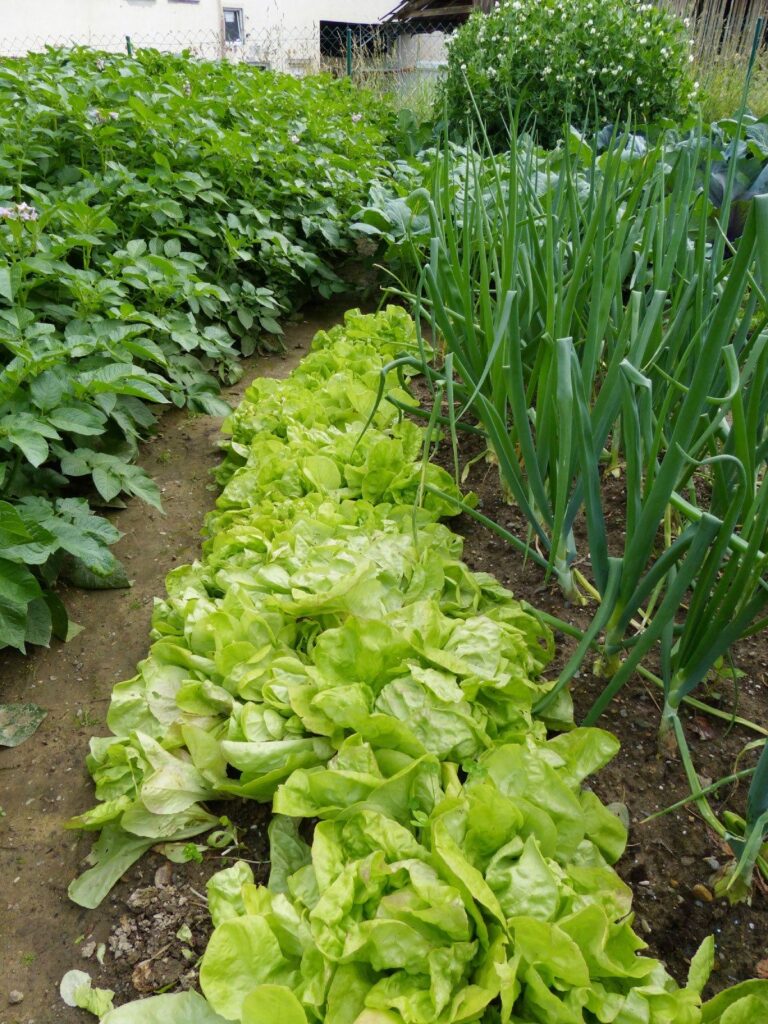
As a gardener, you’re likely familiar with the concept of co-cultivating vegetables. But have you ever wondered what exactly this means and how it can benefit your garden? In this article, we’ll delve into the world of co-cultivation and explore its benefits, best practices, and popular combinations.
What is Co-Cultivation?
Co-cultivation, also known as companion planting, refers to the practice of growing multiple crops together in the same area. This technique has been used for centuries to promote healthy growth, increase yields, and reduce pests and diseases. By choosing compatible plants, gardeners can create a harmonious balance between different species.
Benefits of Co-Cultivation
Co-cultivation offers numerous benefits, including:
- Increased crop diversity
- Improved soil health
- Enhanced pest control
- Reduced competition for resources
- Better air circulation
By incorporating co-cultivation into your gardening practices, you can create a more resilient and sustainable garden ecosystem.
Popular Combinations for Co-Cultivating Vegetables
When it comes to co-cultivating vegetables, there are many combinations that can be tried. Here are some popular options:
1. Root Vegetables and Leafy Greens
Root vegetables like carrots, beets, and parsnips pair well with leafy greens like lettuce, spinach, and kale. These plants complement each other’s growth habits and require different amounts of light and water.
Recommended Pairings:
- Carrots and lettuce
- Beets and spinach
- Parsnips and kale
2. Brassicas and Marigolds
Brassicas like broccoli, cauliflower, and cabbage benefit from the presence of marigolds. These flowers repel nematodes and other pests that can harm brassica crops.
Recommended Pairing:
- Broccoli and marigolds
- Cauliflower and nasturtiums
3. Tomatoes and Basil
Tomatoes and basil are a classic combination in many gardens. Basil repels pests like whiteflies and aphids, while tomatoes provide shade for the herb.
Recommended Pairing:
- Tomatoes and basil
4. Legumes and Comfrey
Legumes like beans, peas, and lentils benefit from the presence of comfrey. This perennial herb acts as a fertilizer plant, adding nutrients to the soil that benefit nearby legume crops.
Recommended Pairing:
- Beans and comfrey
- Peas and comfrey
5. Cucumbers and Dill
Cucumbers and dill are a popular combination in many gardens. Dill repels aphids and other pests that can harm cucumbers, while the cucumber provides shade for the herb.
Recommended Pairing:
- Cucumbers and dill
6. Carrots and Radishes
Carrots and radishes are often grown together to improve soil health. The radish acts as a natural fertilizer plant, adding nutrients to the soil that benefit nearby carrot crops.
Recommended Pairing:
- Carrots and radishes
How to Co-Cultivate Vegetables
Co-cultivating vegetables requires some planning and consideration. Here are some tips to get you started:
- Choose compatible plants: Select plants with similar growth habits, light requirements, and water needs.
- Consider companion planting: Look for plants that repel pests or provide shade for other crops.
- Use crop rotation: Rotate crops regularly to maintain soil health and reduce pest buildup.
- Provide adequate space: Ensure that each plant has enough room to grow without overcrowding.
Common Mistakes to Avoid
While co-cultivating vegetables can be beneficial, there are some common mistakes to avoid:
- Overcrowding: Give each plant enough space to grow without overcrowding the area.
- Incompatible plants: Avoid pairing plants that compete for resources or require different growing conditions.
- Lack of planning: Don’t assume that co-cultivating vegetables will automatically lead to success. Plan and prepare your garden carefully.
Tips for Co-Cultivating Vegetables in Small Spaces
Co-cultivating vegetables doesn’t have to be limited to large gardens. Even in small spaces, you can create a thriving and diverse garden ecosystem by choosing the right plants and using effective co-cultivation techniques.
Here are some tips for co-cultivating vegetables in small spaces:
- Use vertical gardening methods: Make the most of your space by using trellises, arbors, or wall-mounted planters.
- Select compact varieties: Choose varieties that are naturally compact or dwarf to save space.
- Utilize container gardens: Use containers to grow multiple crops together, even in small spaces.
Conclusion
Co-cultivating vegetables is a simple yet effective way to promote healthy growth, increase yields, and reduce pests and diseases in your garden. By choosing compatible plants and following best practices, you can create a thriving and sustainable garden ecosystem.
Frequently Asked Questions (FAQs)
- Q: What are the benefits of co-cultivating vegetables?
A: Co-cultivating vegetables promotes healthy growth, increases yields, enhances pest control, reduces competition for resources, and improves soil health. - Q: How do I choose compatible plants for co-cultivation?
A: Choose plants with similar growth habits, light requirements, and water needs to ensure compatibility. - Q: What are some common mistakes to avoid when co-cultivating vegetables?
A: Avoid overcrowding, incompatible plants, and lack of planning to achieve success in your co-cultivated garden. - Q: How do I rotate crops for optimal results?
A: Rotate crops regularly to maintain soil health, reduce pest buildup, and promote healthy growth. - Q: Can I co-cultivate vegetables with fruit trees?
A: While it’s possible to co-cultivate vegetables with fruit trees, be cautious of competition for resources and space. - Q: How do I care for my co-cultivated garden?
A: Provide adequate water, fertilize regularly, and monitor for pests and diseases to maintain a healthy garden ecosystem. - Q: Can co-cultivating vegetables help with pest control?
A: Yes, co-cultivating vegetables can provide natural pest control through companion planting and crop rotation. - Q: How long does it take to see results from co-cultivating vegetables?
A: Results may vary depending on factors like plant selection, soil quality, and climate conditions.
By incorporating co-cultivation into your gardening practices, you can create a more resilient and sustainable garden ecosystem that benefits both you and the environment.


