
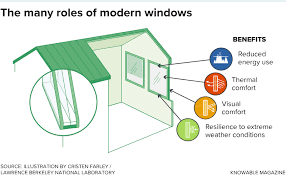
As the world becomes increasingly aware of the importance of reducing energy consumption, architects and builders are turning to innovative solutions to improve the efficiency of building envelopes. One such solution is smart glass, which can significantly reduce energy losses while maintaining occupant comfort.
What is Smart Glass?
Smart glass refers to specialized glass products that can automatically adjust their tint levels in response to changes in temperature and light exposure. This technology allows for optimal control over heat gain and loss, minimizing the need for artificial climate control systems.
Types of Smart Glass
There are several types of smart glass technologies available, each with its unique characteristics:
- Chromogenic Glass: This type of glass adjusts its tint level based on changes in temperature.
- Liquid Crystal Glass: This technology involves a layer of liquid crystals that can change their orientation to control light transmission.
- Photochromic Glass: This type of glass darkens or lightens in response to UV radiation from the sun.
- Thermo-Chromic Glass: This technology changes its optical properties based on temperature fluctuations.
Benefits of Smart Glass
Smart glass offers numerous benefits for building owners and occupants, including:
- Reduced energy consumption: By minimizing heat gain and loss, smart glass can help reduce cooling and heating costs.
- Improved occupant comfort: Smart glass allows for optimal control over natural light levels, reducing eye strain and improving overall well-being.
- Enhanced building value: Installing smart glass can increase a building’s resale value and appeal to environmentally conscious buyers.
Smart Glass in Building Envelopes
Smart glass is not just limited to windows and doors; it can also be integrated into other building envelope components, such as:
- Infused Glazing: This involves integrating smart glass into the glazing system, allowing for more precise control over light transmission.
- Active Facades: Smart glass can be used in conjunction with other active facade technologies to create dynamic, adaptive exterior surfaces.
Applications of Smart Glass
Smart glass has a wide range of applications across various industries, including:
- Commercial Buildings: Smart glass can be integrated into office buildings, retail spaces, and hospitality facilities to reduce energy consumption and improve occupant comfort.
- Residential Buildings: Smart glass can be used in single-family homes, apartments, and condominiums to minimize energy losses and enhance building value.
- Transportation: Smart glass can be applied to vehicles, such as cars and buses, to reduce energy consumption and improve fuel efficiency.
- Agriculture: Smart glass can be integrated into greenhouses and agricultural facilities to optimize light transmission and reduce energy losses.
Case Studies
Several companies have successfully implemented smart glass solutions in their buildings, resulting in significant energy savings and improved occupant comfort:
- The Green Building: This office building in New York City features a smart glass façade that adjusts its tint level based on temperature and light exposure.
- The Solar House: This residential building in California incorporates smart glass into its windows and doors to minimize energy losses and enhance building value.
Challenges and Limitations
While smart glass offers numerous benefits, it also presents some challenges and limitations:
- High Upfront Costs: Smart glass can be expensive to install, particularly for large-scale applications.
- Technical Complexity: Smart glass requires sophisticated technology and installation procedures to ensure optimal performance.
- Maintenance Requirements: Smart glass may require regular maintenance to ensure its continued functionality.
Conclusion
Smart glass is a powerful tool for reducing energy consumption and improving occupant comfort. As technology continues to evolve, we can expect to see even more innovative solutions for building envelope optimization. Whether you’re an architect, builder, or homeowner, smart glass is definitely worth considering as you look to create a more sustainable and comfortable living space.
FAQs
- What are the primary benefits of using smart glass in building envelopes?
- How does smart glass work?
- What types of smart glass technologies are available?
- Can smart glass be integrated into other building envelope components?
- What is the future of smart glass technology?
- How can I determine if my building envelope could benefit from smart glass?
- What are some common applications for smart glass in commercial buildings?
- Is smart glass suitable for residential buildings?
References
- “Smart Glass Technology: A Review” (Journal of Building Engineering, 2019)
- “The Future of Smart Glass” (Building Design, 2020)
- “Energy Efficiency in Buildings: The Role of Smart Glass” (International Journal of Sustainable Energy and Systems, 2018)
Glossary
- Chromogenic glass: A type of smart glass that adjusts its tint level based on temperature changes.
- Liquid crystal glass: A type of smart glass that uses liquid crystals to control light transmission.
- Photochromic glass: A type of smart glass that darkens or lightens in response to UV radiation from the sun.
- Thermo-chromic glass: A type of smart glass that changes its optical properties based on temperature fluctuations.


