
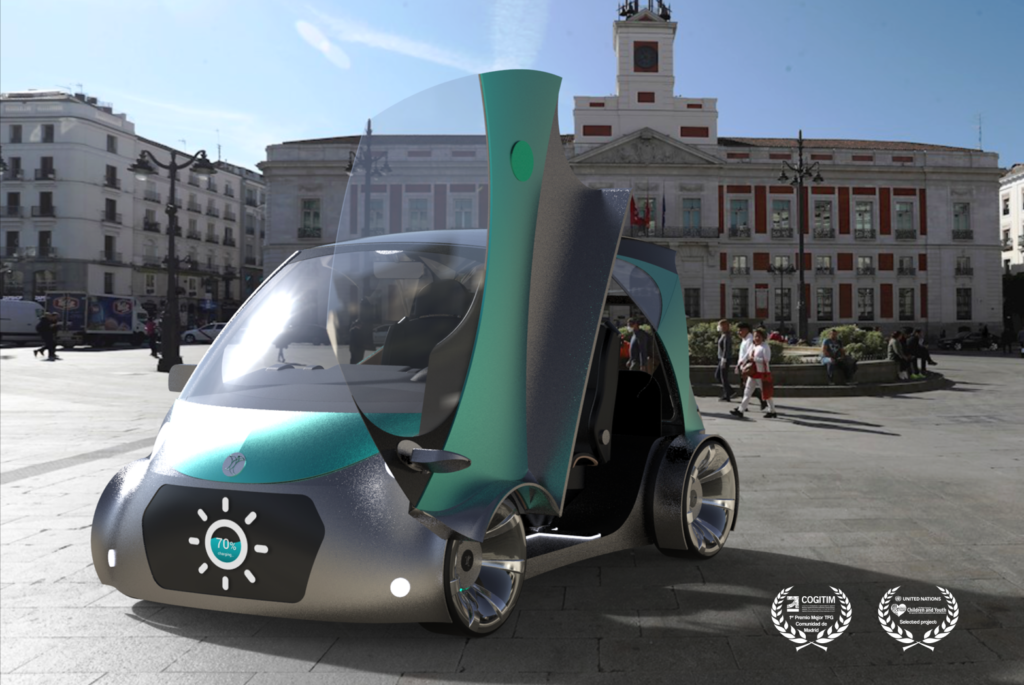
As we navigate the complexities of modern transportation, it’s becoming increasingly clear that our current car technologies are in need of a revolution. The latest project to emerge is Èstamos, a research initiative aimed at developing more efficient and smart electric cars. This article will delve into the details of this innovative project, exploring its objectives, methodologies, and potential impact on the automotive industry.
What is Èstamos?
Èstamos is a research project launched in 2011 by the University of Udine, Friuli Innovazione, and three specialized companies: DM Elektron, Micro-Vett, and Estrima. The project’s primary goal is to develop new electric car models that are not only more efficient but also interact with smart infrastructure and networks.
The Challenge
Current electric cars have limitations when it comes to charging times and battery capacity. Furthermore, they don’t seamlessly integrate with urban mobility control systems. Èstamos aims to address these issues by developing advanced electronics for motor management and electrical power supply, designed to maximize energy efficiency and reduce environmental impact.
Key Components of the Project
The project involves several key components:
- Electric Motor and Power Electronics: Developing electronic systems that optimize the performance and efficiency of electric motors.
- Communication Systems: Designing communication systems between vehicles and infrastructure for real-time traffic monitoring, route optimization, and access to charging stations.
- Sensor Technology: Integrating sensor technology for vehicle health monitoring and data collection.
Investment and Roadmap
The project has an estimated budget of €350,000 over three years, with €250,000 coming from regional funding. The focus will be on two main areas:
- Increased Autonomy: Enhancing the range and autonomy of electric vehicles.
- Improved Performance: Optimizing vehicle performance by interacting with external services such as infomobility and intelligent transportation systems.
Testing and Validation
Prototypes of electric cars will be provided by the project partners, allowing for the testing and validation of the developed solutions. The results will then be applicable to conventional vehicles as well.
Conclusion
Èstamos represents a significant step forward in the development of smart electric cars. By addressing key challenges and leveraging cutting-edge technologies, this project has the potential to revolutionize the automotive industry. As we move towards a more sustainable transportation future, it’s essential to explore innovative solutions like Èstamos.
Benefits of Smart Electric Cars
Smart electric cars can bring numerous benefits to both drivers and the environment. Some of these advantages include:
- Increased Efficiency: Advanced electronics for motor management and electrical power supply can significantly reduce energy consumption.
- Reduced Environmental Impact: By leveraging solar panels, wind turbines, or other renewable energy sources, smart electric cars can minimize their carbon footprint.
- Improved Safety: Real-time traffic monitoring and route optimization systems can help prevent accidents caused by traffic congestion or incorrect routes.
- Enhanced Convenience: Integration with infomobility and intelligent transportation systems can provide drivers with real-time information on charging stations, traffic updates, and road conditions.
Potential Applications of Smart Electric Cars
The potential applications of smart electric cars are vast and varied. Some possible use cases include:
- Urban Mobility: Smart electric cars can optimize routes to reduce traffic congestion and improve air quality in urban areas.
- Long-Distance Travel: By leveraging advanced electronics for motor management and electrical power supply, smart electric cars can significantly reduce charging times and increase range on long-distance trips.
- Commercial Vehicles: Smart electric cars can also be used in commercial vehicles such as buses and trucks to reduce fuel consumption and lower emissions.
Technical Specifications
The technical specifications of the Èstamos project are subject to change. However, some key features include:
- Electric Motor: The electric motor is designed to optimize performance and efficiency.
- Power Electronics: Advanced power electronics for motor management and electrical power supply.
- Communication Systems: Real-time traffic monitoring and route optimization systems for seamless integration with urban mobility control systems.
Future Development
The Èstamos project is ongoing, with prototypes being tested and validated. Future development plans include:
- Improving Performance: Enhancing the performance of smart electric cars through advanced electronics for motor management and electrical power supply.
- Increasing Autonomy: Expanding the range and autonomy of smart electric vehicles to enable long-distance travel.
- Reducing Environmental Impact: Minimizing the carbon footprint of smart electric cars by leveraging renewable energy sources.
Conclusion
The Èstamos project represents a significant step forward in the development of smart electric cars. By addressing key challenges and leveraging cutting-edge technologies, this project has the potential to revolutionize the automotive industry. As we move towards a more sustainable transportation future, it’s essential to explore innovative solutions like Èstamos.
Frequently Asked Questions
- What is the main objective of the Èstamos project?
- To develop intelligent electric cars that are efficient and interact with smart infrastructure.
- How much funding has been allocated for the project?
- €350,000 over three years, with €250,000 from regional funding.
- What are the key components of the Èstamos project?
- Electric motor and power electronics, communication systems, and sensor technology.
- Will the solutions developed by Èstamos be applicable to conventional vehicles as well?
- Yes, the results will be applicable to conventional vehicles.
- When can we expect the project’s outcomes?
- The project is ongoing, with prototypes being tested and validated.
- What are the potential benefits of smart electric cars?
- Reduced environmental impact, increased efficiency, and improved performance.
- Who is involved in the Èstamos project?
- University of Udine, Friuli Innovazione, DM Elektron, Micro-Vett, and Estrima.
- What is the expected timeline for the project’s completion?
- The project started in 2011 and is ongoing.


