
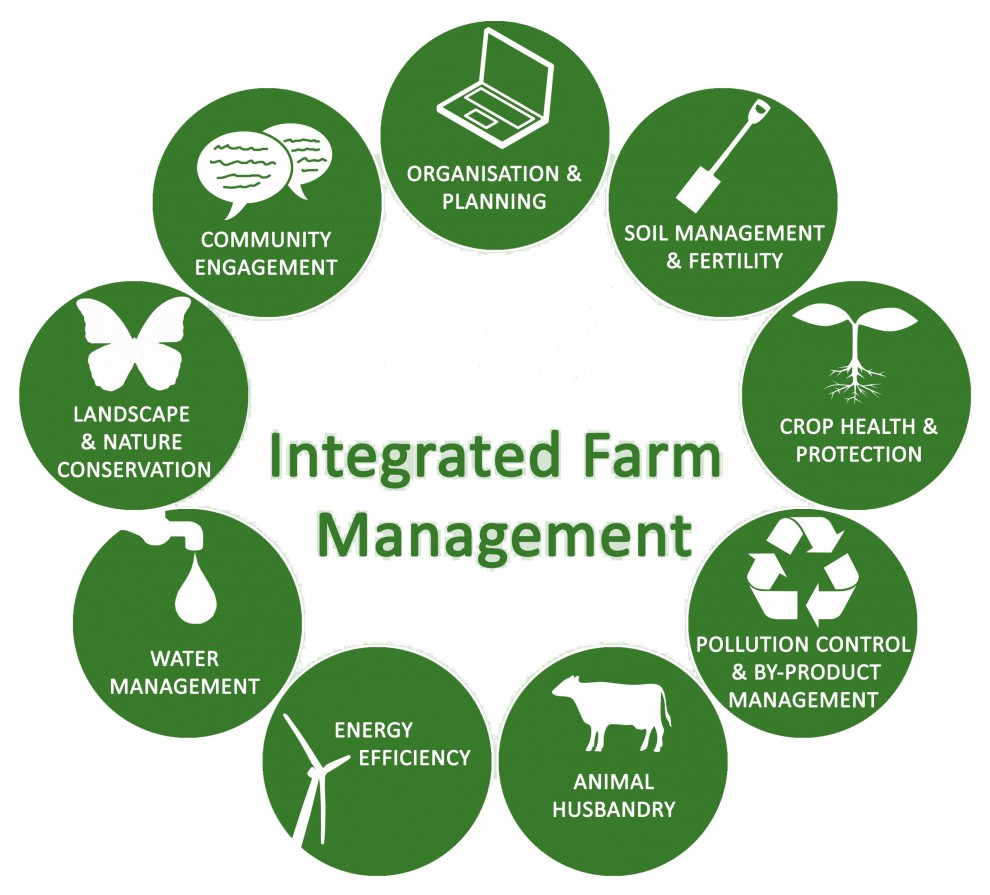
Introduction
In today’s world, where the stakes are high and the challenges are many, it’s more important than ever to adopt sustainable practices that benefit both our planet and ourselves. One approach that has gained significant attention in recent years is integrated agriculture, a holistic system of farming that seeks to minimize its impact on the environment while maximizing yields. In this article, we’ll delve into the world of integrated agriculture, exploring what it entails, its benefits, and its challenges.
What is Integrated Agriculture?
Integrated agriculture is a type of sustainable agriculture that aims to reduce its environmental footprint by combining various farming practices. It seeks to balance economic, social, and ecological concerns, ensuring that crops are grown in harmony with the natural world. This approach involves using a range of techniques, including:
- Crop rotation: rotating different crops to maintain soil fertility and structure
- Organic amendments: adding natural materials like compost or manure to enrich the soil
- Integrated pest management (IPM): using a combination of techniques, such as crop monitoring, biological control, and cultural controls, to manage pests and diseases
- Conservation agriculture: minimizing soil disturbance and preserving soil cover through practices like mulching and cover cropping
The Benefits of Integrated Agriculture
So why should you care about integrated agriculture? The benefits are numerous:
- Environmental sustainability: by reducing the use of synthetic fertilizers and pesticides, integrated agriculture helps preserve biodiversity and reduce greenhouse gas emissions.
- Increased crop yields: integrated agriculture’s holistic approach can lead to higher crop yields due to improved soil health, better pest management, and increased water efficiency.
- Improved food security: by adopting sustainable agricultural practices, integrated agriculture contributes to a more stable global food supply.
Integrated Agriculture in Practice
So how does integrated agriculture look in real-world scenarios? Here are some examples:
- Organic farming systems: using natural methods to control pests and diseases
- Agroforestry: integrating trees into agricultural landscapes to promote biodiversity and ecosystem services
- Conservation agriculture: implementing practices like mulching, cover cropping, and reduced tillage
Challenges Facing Integrated Agriculture
While integrated agriculture offers many benefits, it’s not without its challenges:
- High upfront costs: transitioning to sustainable agricultural practices can be expensive
- Limited infrastructure: in some areas, there may be limited access to necessary resources like irrigation systems or market outlets
- Policy support: governments and policymakers must create supportive policies that encourage the adoption of integrated agriculture
Benefits for Farmers
For farmers, the benefits of integrated agriculture can include:
- Increased profitability: by reducing input costs and improving yields, farmers can increase their revenue.
- Improved soil health: integrated agriculture’s focus on conservation practices can lead to healthier soils that support long-term productivity.
Benefits for Consumers
Consumers also benefit from the adoption of integrated agriculture:
- Higher-quality produce: by promoting sustainable agricultural practices, consumers can enjoy fresher, higher-quality food.
- Lower environmental impact: consumers can feel better about their purchasing decisions knowing that they’re supporting a more environmentally-friendly food system.
Benefits for the Environment
The benefits of integrated agriculture extend far beyond the farm gate:
- Climate change mitigation: by reducing greenhouse gas emissions and promoting carbon sequestration, integrated agriculture plays a critical role in addressing climate change.
- Biodiversity conservation: by preserving natural habitats and promoting ecosystem services, integrated agriculture can help protect endangered species.
Case Studies
Here are some real-world examples of successful integrated agriculture projects:
- Organic farming in Rwanda: the government has established a national organic certification program to support smallholder farmers.
- Agroforestry in Kenya: conservation agriculture is being promoted as a key strategy for improving soil health and reducing erosion.
- Conservation agriculture in Brazil: the Brazilian government has launched initiatives to promote reduced tillage and cover cropping.
Futures Directions
As we move forward, it’s essential that integrated agriculture continues to evolve and improve:
- Technological innovations: new technologies can help streamline production processes, reduce costs, and increase efficiency.
- Policy changes: governments must create supportive policies to encourage the adoption of sustainable agricultural practices.
- Consumer awareness: educating consumers about the benefits of integrated agriculture is critical for driving demand.
Conclusion
Integrated agriculture is a powerful approach to sustainable growth, offering numerous benefits for both our planet and ourselves. While it presents challenges, these can be overcome with careful planning, policy support, and a commitment to sustainability.
Frequently Asked Questions (FAQs)
Here are some common questions about integrated agriculture:
- What is the difference between integrated agriculture and organic farming?
- Integrated agriculture encompasses a broader range of sustainable practices beyond just organic farming.
- How can I implement integrated agriculture on my farm?
- Start by assessing your current agricultural practices and identifying areas for improvement. Develop a plan that balances economic, social, and ecological considerations.
- What are the key drivers of successful integrated agriculture adoption?
- Policy support, market incentives, and access to necessary resources like infrastructure and credit can all play critical roles in promoting the adoption of sustainable agricultural practices.
By understanding the principles and benefits of integrated agriculture, we can work towards a more sustainable future where farming and food production thrive.


