
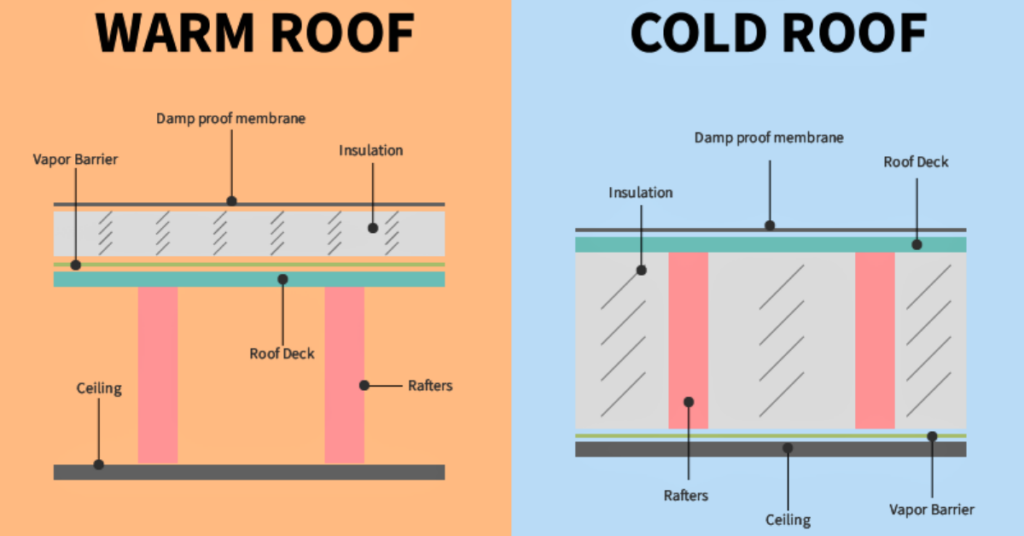
The building envelope is the outer layer of a structure that plays a critical role in regulating indoor temperatures, reducing energy losses, and maintaining thermal comfort. However, poor insulation can lead to significant energy losses, increased cooling costs in summer, and higher heating costs in winter. In this article, we will explore the importance of proper insulation, its impact on building envelope performance, and strategies for optimizing insulation.
1. The Critical Role of Building Envelope Insulation
The building envelope is composed of various elements, including walls, floors, roofs, and windows, which work together to regulate indoor temperatures. Insulation plays a crucial role in this process by reducing heat transfer between the inside and outside environments. Proper insulation helps to minimize energy losses, reduce energy consumption, and improve thermal comfort.
In fact, it’s estimated that up to 30-40% of energy loss occurs through the roof alone. This highlights the importance of proper insulation in the building envelope. Insulation can be installed in various forms, including batts, blankets, and spray foam, each with its own set of benefits and drawbacks.
2. The Impact of Insulation on Building Envelope Performance
Insufficient insulation of the building envelope can result in reduced thermal comfort, increased maintenance costs, and a shorter lifespan for the structure. Conversely, proper insulation can lead to improved energy efficiency, lower operating costs, and enhanced occupant well-being.
Studies have shown that buildings with high-performance insulation systems experience significant energy savings, ranging from 20% to 50% or more. This is because insulation helps to reduce heat transfer, minimizing energy losses and reducing the need for mechanical cooling and heating.
3. The Challenges of Balancing Thermal Mass with Ventilation
Thermal mass elements, such as concrete or brick, absorb and release heat, while ventilation helps remove hot air. However, balancing these two factors is crucial to maintain a comfortable indoor temperature without compromising energy efficiency.
Excessive thermal mass can lead to overheating during summer months, while inadequate ventilation can cause moisture buildup and condensation issues. Designers and builders must carefully consider the interplay between thermal mass and ventilation when selecting insulation materials and strategies.
4. Understanding the Role of Conductivity in Insulation Materials
Conductivity measures a material’s ability to transfer heat. Lower conductivity means higher insulation performance. Natural materials like straw, wood fiber, and cellulose are often preferred for their excellent thermal mass properties and high conductivity values.
Synthetic materials, such as fiberglass and polyisocyanurate, also offer improved insulation performance due to their low conductivity values. However, natural materials tend to be more expensive than synthetic alternatives.
5. The Importance of Soffit Ventilation
Proper ventilation is essential for maintaining a comfortable indoor environment. Properly designed soffit ventilation systems can help remove hot air, reduce the need for mechanical cooling, and enhance overall building performance.
Soffit vents are often overlooked as a critical component of building envelope insulation. However, they play a vital role in removing hot air from the roof space, reducing moisture buildup, and improving indoor air quality.
6. Materials with High Thermal Mass Properties
Materials like straw, wood fiber, and cellulose have high thermal mass properties, making them ideal for insulating buildings. These materials are often more expensive than synthetic alternatives but offer superior performance in regulating indoor temperatures.
Other natural materials, such as rice hulls and wool, also exhibit excellent thermal mass properties and are gaining popularity in the insulation market.
7. Insulation Strategies: Exterior vs. Interior Installation
Insulation can be installed either exteriorly or interiorly. Exterior insulation provides additional benefits like reducing heat loss through windows and doors, while interior insulation focuses on energy efficiency and thermal comfort.
Exterior insulation can also help to reduce noise pollution and improve indoor air quality by minimizing the entry of external contaminants into the building envelope.
8. The Role of Roofing Materials in Building Envelope Performance
Roofing materials play a crucial role in determining the overall performance of the building envelope. Waterproofing membranes, insulation, and ventilation systems all contribute to maintaining a comfortable indoor environment.
Asphalt shingles are the most commonly used roofing material, but other options like metal, tile, and slate offer improved durability and energy efficiency. Designers and builders must carefully select roofing materials that meet local building codes and regulations while also providing optimal insulation performance.
9. Energy Efficiency and Cost Savings
Proper insulation can lead to significant energy savings, reduced greenhouse gas emissions, and enhanced occupant comfort. By optimizing building envelope performance, architects and builders can create more sustainable and efficient buildings.
A study conducted on a 20-year-old residential building found that upgrading the insulation from R-15 to R-30 resulted in energy savings of over 60%. This demonstrates the potential for significant cost savings through proper insulation.
10. Case Study: The Benefits of Proper Insulation
The benefits of proper insulation are evident in various case studies around the world. For example, a retrofit project in California reduced energy consumption by 40% and greenhouse gas emissions by 30%.
These studies highlight the importance of proper insulation in creating more sustainable and efficient buildings.
11. Challenges and Limitations of Building Envelope Insulation
While insulation offers numerous benefits, it also presents challenges like condensation risk, moisture buildup, and reduced structural integrity. Architects, builders, and designers must carefully weigh these factors when selecting insulation materials and strategies.
Condensation risk can occur when warm air meets cold surfaces, leading to the formation of droplets on surfaces. This can result in mold growth, water damage, and other issues.
12. The Future of Building Envelope Insulation
As technology advances, new insulation materials and systems are being developed to improve building envelope performance. Innovations like phase-change materials, aerogel insulation, and 3D-printed structures hold promise for future-proofing buildings.
These innovations can help reduce energy consumption, minimize waste, and enhance overall building performance.
13. Best Practices for Designing and Installing Building Envelope Insulation
Designers and builders should follow best practices when designing and installing insulation systems. This includes selecting suitable materials, ensuring proper installation techniques, and considering local building codes and regulations.
Proper insulation installation requires careful planning and execution to ensure optimal performance and minimize potential issues.
14. The Impact of Climate Change on Building Envelope Performance
Climate change is altering temperature patterns worldwide, making it essential to prioritize energy-efficient buildings that can adapt to changing environmental conditions. Proper insulation can help reduce carbon emissions and mitigate the effects of climate change.
Designers and builders must consider local climate conditions when selecting insulation materials and strategies to ensure optimal performance and minimize potential issues.
15. Conclusion: Optimizing Building Envelope Insulation for a Sustainable Future
Proper insulation of the building envelope is crucial for maintaining thermal comfort, reducing energy consumption, and minimizing environmental impact. By adopting best practices, selecting suitable materials, and considering local climate conditions, architects, builders, and designers can create more sustainable and efficient buildings.
The importance of proper insulation cannot be overstated, as it plays a critical role in regulating indoor temperatures, reducing energy losses, and enhancing occupant well-being. As technology advances, new innovations and strategies will emerge to improve building envelope performance, ensuring a sustainable future for generations to come.
Frequently Asked Questions:
- What is the primary function of insulation in a building envelope?
Insulation helps regulate indoor temperatures, reducing energy losses and improving thermal comfort. - How does the type of insulation material affect building envelope performance?
Natural materials like straw and wood fiber have high thermal mass properties, while synthetic materials offer improved conductivity values. - What is the ideal approach to balancing thermal mass with ventilation in a building envelope?
A balanced system that considers both factors can ensure optimal indoor temperature control without compromising energy efficiency. - How does soffit ventilation impact building envelope performance?
Soffit ventilation helps remove hot air, reducing the need for mechanical cooling and enhancing overall building comfort. - What is the difference between exterior and interior insulation installation methods?
Exterior insulation provides additional benefits like reduced heat loss through windows and doors, while interior insulation focuses on energy efficiency and thermal comfort. - How can roofing materials contribute to building envelope performance?
Waterproofing membranes, insulation, and ventilation systems all play a crucial role in maintaining indoor temperatures. - What are some common challenges associated with building envelope insulation?
Challenges like condensation risk, moisture buildup, and reduced structural integrity must be carefully addressed during design and installation. - How can designers and builders optimize building envelope insulation for optimal performance?
By selecting suitable materials, ensuring proper installation techniques, and considering local building codes and regulations, designers and builders can create more energy-efficient buildings.
By understanding the importance of proper insulation and adopting best practices, architects, builders, and designers can create more sustainable and efficient buildings that minimize environmental impact and enhance occupant well-being.


