
As a homeowner, you’re likely aware of the importance of maintaining a comfortable living space. One crucial aspect of this is ensuring your home’s thermal and acoustic insulation. In this article, we’ll delve into the world of building envelope insulation, exploring the various solutions available for protecting your home from heat loss and noise pollution.
The Importance of Building Envelope Insulation
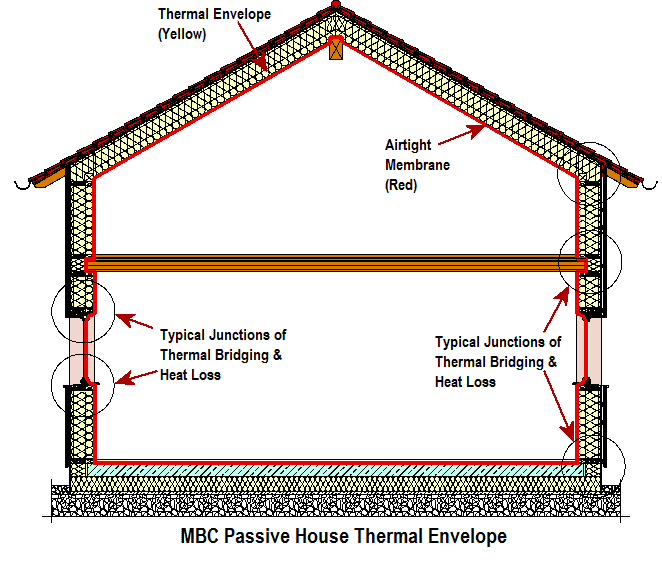
The building envelope refers to the exterior walls, roof, windows, and doors that surround your home. These components play a vital role in regulating the internal temperature and reducing external noise. Poor insulation can lead to:
- High energy bills
- Reduced comfort levels
- Increased risk of mold growth
- Disturbances from outside noise
Curtain Insulation: A Comprehensive Solution
Curtain insulation is an effective solution for protecting homes from heat loss and noise pollution. This method involves applying an insulating material directly to the outside facade of your house, followed by a layer of slabs, tiles, or plaster to restore its aesthetic appeal.
Some benefits of curtain insulation include:
- Ensuring continuous insulation
- Preventing heat bridges caused by different materials
- Protecting walls from atmospheric agents and sound dispersion
However, it’s essential to consider the economic impact of this solution. Curtain insulation can be a significant investment, but the long-term benefits far outweigh the costs.
Ventilated Façade: A Breathable Barrier
The ventilated façade is another innovative approach to building envelope insulation. This system involves installing external supplementary coatings that create a gap between the wall and the surrounding environment. By allowing air to circulate through this gap, a continuous airflow is generated, providing excellent thermal and acoustic insulation.
Insulation of the Roof and Underroof
Internally, you can take additional measures by installing insulating panels with a counter-ceiling or using specialized coverings. This approach is often referred to as a “cold roof” or “ventilated roof.” For more information on these topics, please refer to our article on floor and ceiling insulation.
Insulation of Windows
To ensure optimal thermal and acoustic insulation, it’s crucial to pay attention to the translucent envelope, particularly windows. Installing windows according to regulations and utilizing efficient energy materials is essential. Consider the following factors:
- Multiple layers of glass with gas-filled spaces for enhanced insulation
- High-quality gaskets (EPDM or PVC) for secure seals
Proper installation is also vital. Ensure that all joints and contact points are well-insulated to prevent heat bridges or acoustic bridges.
Insulation of Garbage Cans
Although not directly related to the building envelope, garbage cans deserve attention when discussing domestic insulation. Specialized treatment can eliminate heat bridges, drafts, and unwanted noises. Modern garbage cans often come with installation kits that guarantee good thermal insulation through click-on attachment systems.
Insulation of Interior Walls
The internal cappotto termico (or internal wall insulation) is a crucial aspect of maintaining a comfortable living space. Solutions range from cartongesso to sughero, insufflation products like glass wool, and DIY panels that fit together seamlessly.
Insulating Intonaco: A Natural Solution
Termointonacos are specialized products designed to offer thermal and acoustic corrections. These can be used both internally and externally, typically made of lime, gypsum, wool, and clay with various additives.
By understanding the importance of building envelope insulation and exploring the various solutions available, you can create a comfortable, energy-efficient living space that protects your home from heat loss and noise pollution.
Benefits of Building Envelope Insulation
- Reduced Energy Bills: Insulating your home effectively can help reduce energy consumption and lower your utility bills.
- Improved Indoor Air Quality: Proper insulation ensures better air quality inside your home by reducing moisture, pollutants, and allergens.
- Enhanced Comfort Levels: Insulation helps maintain a comfortable indoor temperature, ensuring you can enjoy your living space without discomfort or distractions.
- Increased Property Value: Energy-efficient homes are more desirable to potential buyers, increasing the value of your property.
Factors to Consider When Choosing an Insulation Solution
- Climate and Weather Conditions: In areas with harsh weather conditions, such as heavy snowfall or extreme temperatures, specialized insulation materials may be necessary.
- Budget and Cost-Effectiveness: Weigh the costs against potential savings in energy bills and improved comfort levels when selecting an insulation solution.
- Environmental Impact: Consider the eco-friendliness of your chosen insulation material to ensure minimal environmental impact.
Installation Methods for Building Envelope Insulation
- Direct Installation: Applying insulation materials directly to the exterior walls, roof, or windows.
- Cavity Filling: Installing batts or foam boards into cavities in the wall, providing additional thermal and acoustic insulation.
- Retrofitting Existing Walls: Re-insulating existing walls with new insulation materials.
Challenges and Limitations of Building Envelope Insulation
- Limited Accessibility: Working on tall buildings or roofs can be challenging and requires specialized equipment.
- Moisture Accumulation: In areas with high humidity, insulation may accumulate moisture, leading to mold growth or structural damage.
- Maintenance and Upkeep: Regular inspections and maintenance are essential for ensuring the effectiveness of your chosen insulation solution.
Conclusion
Insulation is a critical aspect of maintaining a comfortable living space. By choosing the right solution for your building envelope, you can reduce energy bills, improve indoor air quality, and enjoy a more peaceful living environment. Remember to consider factors like economic impact, installation requirements, and environmental benefits when selecting an insulation method.
Frequently Asked Questions
- Q: What is curtain insulation?
A: Curtain insulation involves applying an insulating material directly to the outside facade of your house, followed by a layer of slabs, tiles, or plaster. - Q: How effective is ventilated façade insulation?
A: Ventilated façade insulation creates a breathable barrier that provides excellent thermal and acoustic insulation through continuous airflow. - Q: What are some benefits of using multiple layers of glass in windows?
A: Multiple layers of glass with gas-filled spaces enhance insulation, reducing heat transfer and noise pollution. - Q: Why is proper installation crucial for window insulation?
A: Proper installation ensures that all joints and contact points are well-insulated, preventing heat bridges or acoustic bridges. - Q: What types of garbage cans require specialized treatment?
A: New-generation garbage cans often come with installation kits designed to ensure good thermal insulation through click-on attachment systems. - Q: Can internal cappotto termico be used for both internal and external walls?
A: Yes, Termointonacos are versatile products that can be used for both internal and external wall insulation. - Q: What materials are commonly used in insulating intonaco products?
A: Insulating intonaco products typically consist of lime, gypsum, wool, and clay with various additives. - Q: How long does it take to install curtain insulation?
A: The installation time varies depending on the size of your home and the complexity of the project; please consult a professional for a more accurate estimate.
By answering these frequently asked questions, you’ll gain a deeper understanding of building envelope insulation and how it can benefit your living space.


