
As we discussed in our previous article, “How to Insulate a House,” coibentation is a technique used to isolate two systems with different environmental conditions, preventing heat transfer (thermal insulation) or sound waves (acoustic insulation).
In the context of building construction, these two systems are represented by the interior and exterior of an abode, which have distinct temperatures and noise levels. Coibentation can provide thermal insulation, acoustic insulation, or both simultaneously.
The Importance of Coibentation for Energy Efficiency
Coibentation is a crucial practice in creating energy-efficient homes, known as “passive houses” or “green buildings.” A well-designed coibentation system helps reduce heating and cooling costs, while also mitigating the effects of humidity and mold growth. By effectively insulating your home, you can enjoy a more comfortable living space while minimizing your environmental impact.
Research has shown that well-insulated homes can save homeowners up to 40% on their energy bills. This is especially important for low-income households, which often spend a significant portion of their income on utility costs.
How Coibentation Works
A coibentation system works by inserting insulation materials between the two systems (inside and outside an abode). These materials are designed to limit heat transfer and reduce energy losses. In recent years, new materials have emerged that offer even better thermal performance, such as nanotechnology-based insulation products.
The process of coibentation involves several key steps:
- Identify the areas in your home where insulation is most needed.
- Choose the right type and amount of insulation for each area.
- Install the insulation materials, ensuring proper fit and sealing.
- Verify that the insulation meets local building codes and regulations.
Benefits of Coibentation
A well-executed coibentation system offers several benefits:
• Reduced heating and cooling costs
• Improved indoor air quality
• Enhanced comfort and reduced noise pollution
• Increased energy efficiency
Additionally, a coibentation system can also help to reduce the risk of mold growth, as moisture is less likely to accumulate in well-insulated homes.
Types of Coibentation Materials
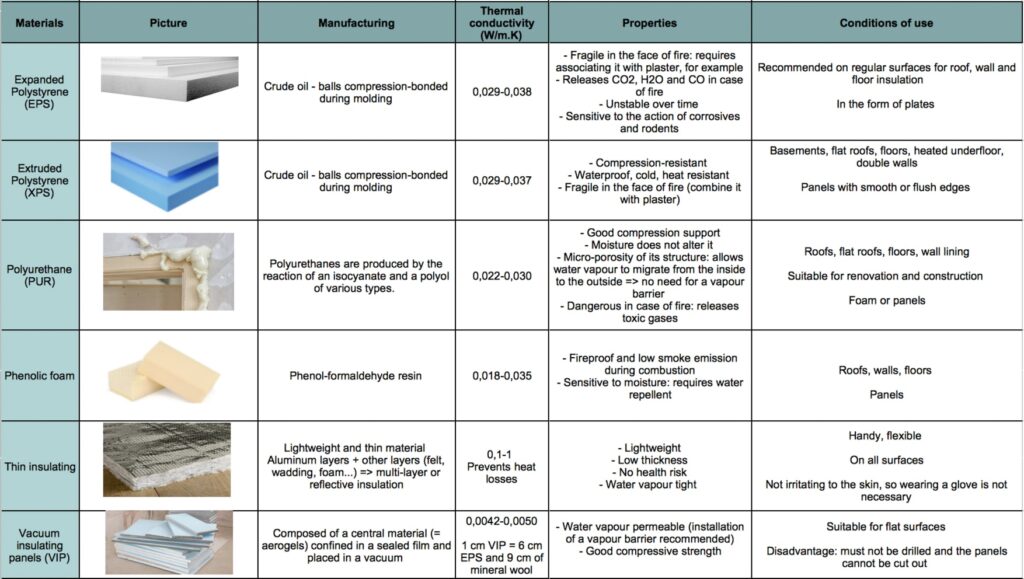
When it comes to selecting materials for a coibentation system, there are many options available, each with its unique properties and advantages. Some common materials used in thermal insulation include:
- Polystyrene foam boards
- Fiberglass batts
- Cellulose-based insulation
- Rigid foam board insulation
In addition to these traditional materials, newer technologies such as nanotechnology-based insulation products have emerged. These products offer improved thermal performance and reduced material thickness.
Certification and Compliance
To ensure that your coibentation system meets the required standards, you may need to obtain certification from recognized organizations. For example, the “Ecobonus” in Italy provides tax incentives for building owners who invest in energy-efficient renovations.
In addition, many countries have implemented building codes and regulations that require new construction projects to meet certain energy efficiency standards. Coibentation is often a key component of these codes, as it helps to reduce energy losses and improve indoor air quality.
Advances in Coibentation Technology
In recent years, the development of new materials has led to improved thermal performance and reduced material thickness. Nanotechnology-based insulation products, for instance, can achieve similar results with significantly thinner layers (e.g., 5 mm).
Another area of innovation is the development of hybrid insulation systems that combine different materials and technologies to achieve optimal energy efficiency.
Components Involved in Coibentation
A coibentation system involves all structural components of a building, including floors, ceilings, walls, and doors. The quality of these components is crucial to ensuring effective thermal insulation.
In addition to the physical components of a home, other factors can impact the effectiveness of coibentation, such as:
- Moisture levels: High humidity can reduce the effectiveness of insulation materials.
- Air leakage: Inadequate sealing and air tightness can allow moisture and heat to escape from the home.
- Ventilation: Proper ventilation is essential for maintaining indoor air quality and reducing the risk of mold growth.
Conclusion: Making Your Home Energy-Efficient through Coibentation
In conclusion, coibentation is an essential practice in achieving energy efficiency in buildings. By understanding the principles behind this technique and selecting suitable materials, you can create a more comfortable living space while reducing your environmental footprint.
Whether you’re building a new home or renovating an existing one, incorporating coibentation into your design will help to reduce heating and cooling costs, improve indoor air quality, and enhance overall energy efficiency.


