
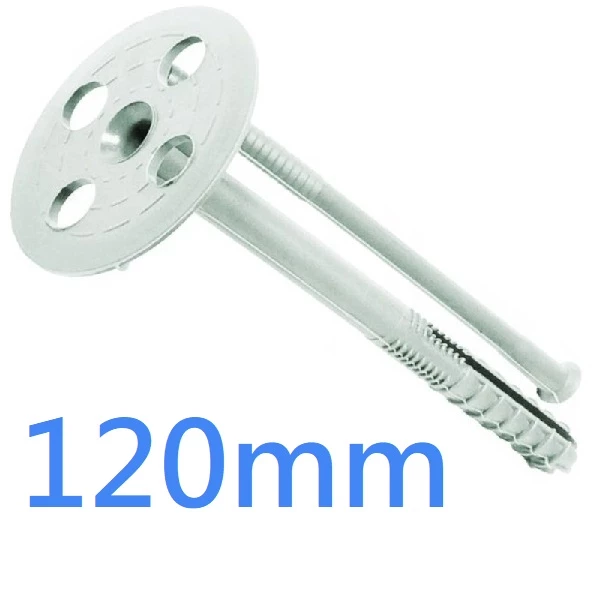
Insulated Panels: The Key to Energy Efficiency and Sustainable Building
Understanding Insulated Panels
As we strive for a more sustainable future, building insulation has become an essential aspect of creating energy-efficient homes. One effective solution is the use of insulated panels, which have gained popularity in recent years due to their excellent thermal insulation properties.
What are Insulated Panels?
Insulated panels are made from materials such as expanded polystyrene foam, rock wool, glass fiber, synthetic rubber, extruded polystyrene foam, ceramic fibers, sawdust, and other natural thermal insulation materials. These panels prevent heat transfer because they have low thermal conductivity.
Materials Used in Insulated Panels
The choice of material for insulated panels depends on several factors, including budget, climate, and building design. Some common materials used include:
- Expanded polystyrene foam: A cost-effective option with high insulation values.
- Rock wool: A natural fiber-based product that is fire-resistant and eco-friendly.
- Glass fiber: Known for its durability and resistance to moisture.
- Synthetic rubber: Provides excellent insulation properties while being resistant to mold and mildew.
- Extruded polystyrene foam: Offers high insulation values with a long lifespan.
- Ceramic fibers: A high-performance material that provides superior thermal insulation.
- Sawdust: An eco-friendly option made from recycled materials.
Benefits of Insulated Panels
Insulated panels offer several benefits, including:
- Increased energy efficiency: By reducing heat transfer, insulated panels help minimize the need for heating and cooling systems.
- Reduced heat transfer: Insulated panels prevent heat transfer between the building envelope and the outside environment, which can lead to cost savings on utility bills.
- Improved indoor air quality: By preventing moisture from entering the building through gaps and cracks, insulated panels help maintain a healthy indoor air quality.
- Enhanced durability: Insulated panels are designed to withstand harsh weather conditions and last for many years.
Installation Methods for Insulated Panels
Insulated panels can be installed using various methods, depending on the type of panel and fastening system used. Some common installation methods include:
- Dry fitting without touching the existing wall: This method involves installing the insulated panel directly onto the building envelope without making any contact with the existing material.
- Using specialized connectors to attach panels to walls or roofs: These connectors provide a secure attachment point for the insulated panel and can be used in conjunction with other fastening systems.
Choosing the Right Fastening System
The choice of fastening system is crucial for a durable and robust structure. Different types of insulated panels require specific fasteners, and it’s essential to choose the correct one to ensure a successful installation.
Mounting Insulated Panels for Walls
To mount insulated panels on walls, you’ll need to follow these steps:
- Panel preparation: Cut the panel about 1 cm shorter than the wall height.
- Preparing adhesive mortar: Prepare adhesive mortar and place small mounds on the back of the panel.
- Fastening: Use a trowel to tap the panel into place, ensuring it matches perfectly with the ceiling.
Wall-Mounted Insulated Panels: Hidden or Visible?
Insulated panels can be either hidden or visible, depending on the design and installation method used. Both options have their advantages and disadvantages.
Hidden Insulation:
- Provides a clean appearance
- Reduces the risk of water infiltration
- Can improve indoor air quality
Visible Insulation:
- Offers a high level of thermal insulation performance
- Can be installed in conjunction with other visible insulation materials, such as reflective roof coatings.
- May require additional support or flashing to ensure proper installation.
Mounting Insulated Panels for Roofs
For roof-mounted insulated panels, it’s essential to follow the manufacturer’s guidelines for assembly. The panels should be placed directly on the supporting structure of the roof, at maximum slope possible.
Fastening Mechanism for Roof-Mounted Panels
The fastening mechanism for roof-mounted panels involves attaching panels one next to another without leaving any gaps. This is typically done using mechanical supports provided by nails anchored in steel.
Conclusion
Insulated panels are a crucial component of sustainable building practices, offering excellent thermal insulation properties and energy efficiency benefits. By choosing the right materials, fastening systems, and installation methods, you can create a durable and robust structure that meets your needs.
Frequently Asked Questions (FAQs)
Q: What is the primary benefit of using insulated panels?
A: The primary benefit of using insulated panels is increased energy efficiency due to their excellent thermal insulation properties.
Q: What materials are commonly used in insulated panels?
A: Common materials used in insulated panels include expanded polystyrene foam, rock wool, glass fiber, synthetic rubber, extruded polystyrene foam, ceramic fibers, sawdust, and other natural thermal insulation materials.
Q: How do I choose the right fastening system for my insulated panels?
A: The choice of fastening system depends on the type of panel and building design. It’s essential to choose the correct fastener to ensure a durable and robust structure.
Q: Can insulated panels be installed without touching the existing wall?
A: Yes, some insulated panels can be installed using dry fitting methods without touching the existing wall.
Q: What is the best way to mount insulated panels for roofs?
A: For roof-mounted insulated panels, it’s essential to follow the manufacturer’s guidelines for assembly and ensure that the panels are placed directly on the supporting structure of the roof at maximum slope possible.
Q: Can insulated panels be used in conjunction with other building materials?
A: Yes, insulated panels can be used in conjunction with other building materials, such as insulation boards or drywall, to create a durable and energy-efficient structure.
Q: How long do insulated panels typically last?
A: The lifespan of insulated panels depends on various factors, including quality, usage, and environmental conditions. On average, insulated panels can last for 20-30 years or more with proper maintenance.
Q: Are insulated panels suitable for all building types?
A: Insulated panels are suitable for most building types, but it’s essential to consult with a professional to determine the best solution for your specific needs and climate.
Q: Can I install insulated panels myself, or do I need a professional?
A: While it’s possible to install insulated panels yourself, it’s recommended to hire a professional if you’re not experienced in building insulation or construction.


