
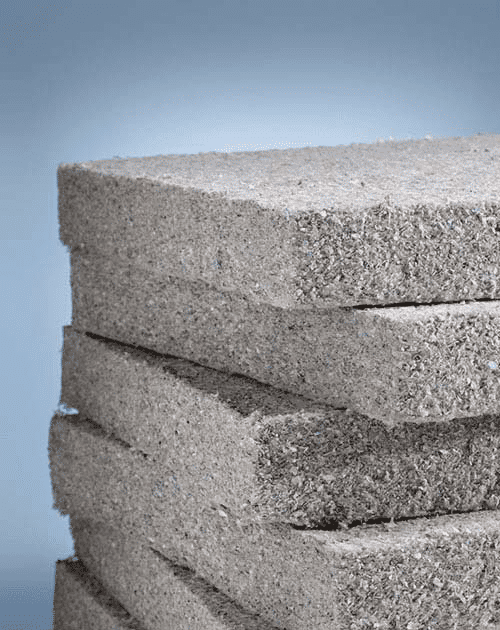
Cellulose fiber insulation is a natural, eco-friendly material used in building construction to reduce heat transfer and minimize energy consumption. In this article, we will explore the benefits of cellulose fiber insulation, its production process, and its applications in various industries.
What is Cellulose Fiber Insulation?
Cellulose fiber insulation is made from recycled newspaper, which constitutes approximately 80% of the material. The fibers are treated with boric acid to make them fire-resistant and non-attracting to insects. This process ensures that the insulation remains effective over time.
Production Process
The production process of cellulose fiber insulation involves several steps:
- Recycling: Old newspapers are collected and sorted.
- Pulping: The newspaper is pulped into a pulp.
- Bleaching: The pulp is bleached to remove any impurities.
- Carding: The pulp is carded, which means it’s brushed to align the fibers in the same direction.
- Spinning: The carded fibers are spun into yarns.
- Cutting: The yarns are cut into individual fibers.
- Treatment: The fibers are treated with boric acid to make them fire-resistant.
Benefits of Cellulose Fiber Insulation
Cellulose fiber insulation has several benefits that make it an attractive option for builders and homeowners:
- Eco-friendly: Cellulose fiber insulation is made from recycled materials, making it a more sustainable alternative to traditional insulation materials.
- Cost-effective: The production costs of cellulose fiber insulation are lower compared to other types of insulation materials.
- Energy-efficient: Cellulose fiber insulation can help reduce energy consumption by minimizing heat transfer and preventing moisture buildup.
- Fire-resistant: The treated fibers make the insulation fire-resistant, meeting Class 1 standards.
- Easily installed: Cellulous fiber insulation can be easily blown into walls or attached to existing structures.
Applications of Cellulose Fiber Insulation
Cellulose fiber insulation has various applications in different industries:
- Building construction: Cellulose fiber insulation is commonly used in building construction to reduce heat transfer and minimize energy consumption.
- Renovation projects: Cellulous fiber insulation can be easily installed in existing buildings to improve their energy efficiency.
- Industrial applications: Cellulose fiber insulation is used in industrial settings to maintain a consistent temperature and reduce energy costs.
Challenges and Considerations
While cellulose fiber insulation offers several benefits, there are some challenges and considerations to keep in mind:
- Moisture sensitivity: Cellulose fiber insulation can be sensitive to moisture, which can affect its performance.
- Installation difficulties: Blowing cellulous fiber insulation into walls or attaching it to existing structures can be challenging if not done correctly.
Conclusion
Cellulose fiber insulation is a natural, eco-friendly material that offers several benefits for builders and homeowners. Its production process is environmentally friendly, and it provides energy-efficient performance. However, there are some challenges and considerations to keep in mind when using cellulous fiber insulation.
Frequently Asked Questions
- What is cellulose fiber insulation made of?
Cellulose fiber insulation is made from recycled newspaper, which constitutes approximately 80% of the material. - Is cellulose fiber insulation eco-friendly?
Yes, cellulose fiber insulation is an eco-friendly material as it’s made from recycled materials. - Can I install cellulous fiber insulation myself?
It is recommended to hire a professional for installation due to potential difficulties in blowing fibers into walls or attaching them to existing structures. - Is cellulose fiber insulation fire-resistant?
Yes, the treated fibers make the insulation fire-resistant, meeting Class 1 standards. - Can I use cellulous fiber insulation on exterior walls?
Cellulous fiber insulation should be installed on interior walls only as it can be damaged by moisture and extreme temperatures. - Is cellulous fiber insulation suitable for high-traffic areas?
Yes, cellulous fiber insulation is a good choice for high-traffic areas because it’s resistant to insect damage and fire. -
Can I use cellulous fiber insulation with other types of insulation materials?
Cellulose fiber insulation can be used in conjunction with other insulation materials, but ensure compatibility before making any final decisions. -
How long does cellulous fiber insulation last?
The lifespan of cellulous fiber insulation depends on various factors, such as temperature fluctuations and moisture levels. - Is there a warranty or guarantee for cellulous fiber insulation?
Yes, most manufacturers provide a limited warranty or guarantee for their cellulose fiber insulation products. -
Can I get refunds if I’m not satisfied with my cellulous fiber insulation?
Refund policies vary depending on the manufacturer and supplier; check your contract or ask the supplier about return and refund options. -
Is there any alternative to cellulous fiber insulation?
Depending on your specific needs, you may have other eco-friendly alternatives such as foam board, fiberglass batts, or spray foam insulation. -
How can I reduce the cost of cellulous fiber insulation installation?
Hiring a professional installer can increase costs; however, doing it yourself with proper knowledge and equipment can significantly lower expenses. -
Can I use cellululous fiber insulation in damp locations?
While cellululous fiber insulation is resistant to insect damage and fire, it should not be installed in damp or wet environments as it may deteriorate quickly. -
Is there a recommended way to handle damaged cellulous fiber insulation?
Damaged cellulous fiber insulation can be repaired with specialized tools and materials; however, if the material is beyond repair, replacement might be necessary. -
Can I reuse existing cellululous fiber insulation?
Yes, it’s possible to reuse existing cellulous fiber insulation in renovation projects; ensure that the old insulation has not deteriorated due to moisture or other environmental factors.
Best Practices for Installation
- Always follow manufacturer instructions and local building codes.
- Use proper safety equipment, such as gloves and masks, when handling cellulose fiber insulation.
- Ensure good ventilation during installation to prevent moisture buildup.
- Consider hiring a professional installer if you’re not experienced with insulation installation.
Choosing the Right Cellulose Fiber Insulation
When selecting cellulose fiber insulation, consider the following factors:
- Density: Choose an insulation with a suitable density for your project. Higher-density insulations are more effective in reducing heat transfer.
- Fire-resistance rating: Ensure that the insulation meets Class 1 standards for fire resistance.
- Moisture sensitivity: Select an insulation that’s resistant to moisture and can withstand damp environments.
Conclusion
Cellulose fiber insulation is a natural, eco-friendly material that offers several benefits for builders and homeowners. Its production process is environmentally friendly, and it provides energy-efficient performance. By understanding the benefits, challenges, and applications of cellulose fiber insulation, you can make informed decisions about your next building project.


