
Introduction
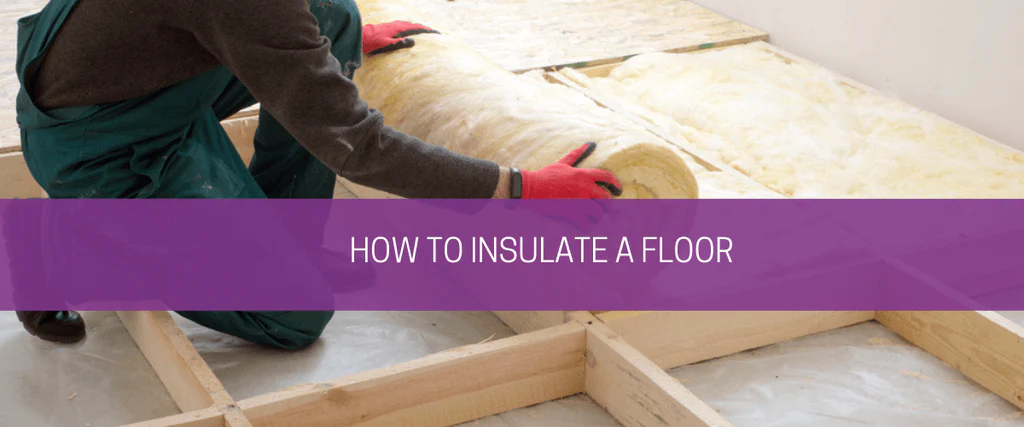
Insulating floors is a crucial step in increasing the comfort and efficiency of your home. By reducing heat loss and moisture accumulation, insulation helps create a healthier living space, reduces energy bills, and extends the lifespan of your flooring. In this comprehensive guide, we’ll explore the benefits of insulating floors, discuss the different methods and materials available, and provide expert tips on how to get started.
Understanding Insulation
Insulation is the process of filling gaps and voids in a floor with materials designed to reduce heat transfer and moisture accumulation. By creating a barrier between the floor and the outside environment, insulation helps regulate indoor temperatures, minimize energy losses, and prevent damage from condensation. There are two primary types of insulation: internal (i.e., applied directly to the floor) and external (i.e., installed on top of the floor).
Internal Insulation Methods
When it comes to insulating an existing floor, there are two common methods:
- Loose-fill installation: This involves placing a loose material, such as fiberglass or cellulose, into the gaps between joists.
- Spray foam insulation: A more extensive process where spray foam is injected into the cavities to create a solid barrier.
External Insulation Methods
For new construction or renovation projects, external insulation methods are often preferred:
- Rigid foam board installation: This involves placing rigid foam boards directly on top of the floor, covering them with a breathable membrane.
- Tape and paper wrapping: A more cost-effective approach where insulation materials (such as foam boards) are wrapped in tape and paper to create a continuous layer.
Choosing the Right Insulation Material
When selecting an insulation material, consider factors like R-value, durability, and ease of installation:
- Fiberglass batts: Affordable, widely available, but less effective than other options.
- Cellulose insulation: Eco-friendly, breathable, and suitable for most applications.
- Spray foam insulation: High-performance, long-lasting, and ideal for large or complex installations.
Best Practices for Insulating Floors
To ensure a successful insulation project:
- Assess your climate zone: Different regions require different levels of insulation to optimize energy efficiency.
- Measure and map the floor plan: Accurate measurements will help you determine the right amount of insulation needed.
- Seal all gaps and cracks: Prevent air leaks by sealing any openings in walls, floors, or ceilings.
Insulation for Specific Applications
Some areas require specialized insulation solutions:
- Pavement installations: Insulate under the pavement to prevent heat loss and moisture damage.
- Crawlspaces: Install a vapor barrier and insulation to maintain a healthy indoor environment.
- Basements: Use specialized insulation materials designed specifically for basement applications.
Frequently Asked Questions (FAQs)
Here are some common questions about insulating floors:
- Q: What is the R-value of insulation?
A: The R-value represents the insulation’s ability to resist heat flow, measured in units of thermal resistance per square foot. - Q: Can I use foam board insulation on any floor type?
A: No; some floors require specialized insulation materials due to their unique characteristics (e.g., high humidity or extreme temperature fluctuations). - Q: How long does it take to install insulation?
A: Installation times vary greatly depending on the method, material, and complexity of the project. - Q: Is insulation installation a DIY-friendly task?
A: For many homeowners, insulating floors can be a do-it-yourself project; however, consulting professionals is recommended for complex installations.
Conclusion
Insulating floors is an essential step in maintaining energy efficiency, reducing energy bills, and creating a healthier living space. By understanding the different methods and materials available, you can make informed decisions about your insulation project. Whether you’re installing insulation on an existing floor or building from scratch, remember to assess your climate zone, measure accurately, seal all gaps and cracks, and choose the right material for your specific needs.
When it comes to insulation, there is no one-size-fits-all solution. The key is to find the best approach for your unique situation and make smart choices that benefit both your wallet and the environment.
In addition to energy efficiency, insulation also plays a critical role in maintaining indoor air quality by reducing moisture accumulation and preventing damage from condensation.
By taking the time to learn about insulation options and techniques, you can create a more comfortable, efficient, and sustainable living space for years to come.


