
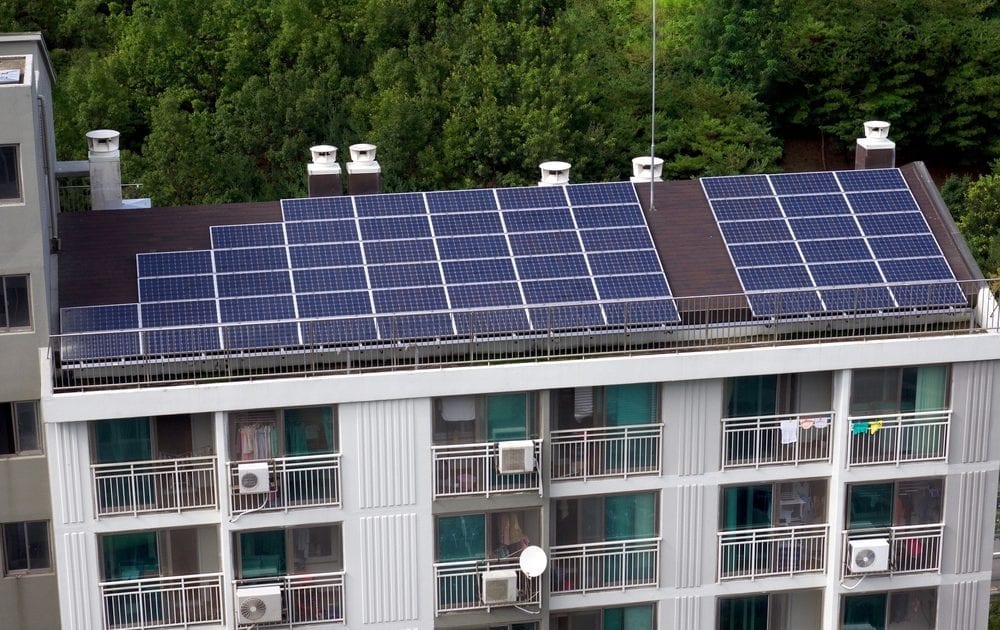
As you consider investing in solar panels for your condominium, a common question arises: can I install them on the roof of my unit? The answer is yes, but with some caveats. In this article, we’ll delve into the world of rooftop solar installations and explore the laws, regulations, and practical considerations involved.
The Benefits of Rooftop Solar
Installing solar panels on your condominium roof is an excellent investment for several reasons:
- Energy savings: By generating your own electricity, you can significantly reduce your energy bills and save money in the long run.
- Environmental benefits: Solar power is a clean and renewable source of energy, reducing your carbon footprint and contributing to a more sustainable future.
- Financial incentives: Many governments offer tax credits and rebates for homeowners who install solar panels on their rooftops.
Understanding the Law
In Italy, there are specific laws and regulations that govern the installation of solar panels on condominium roofs. The most relevant article is Article 1122 bis of the Italian Civil Code, which allows individual residents to install solar panels on the roof of their unit, even if the electricity generated will only serve that single unit.
Communicating with Your Condominium Association
Before proceeding with the installation, it’s essential to inform your condominium association about your plans. You must provide detailed information about the proposed work, including:
- The type and quantity of solar panels to be installed
- The expected energy output and savings
- Any necessary adjustments or modifications to the roof structure
Assembling Condominium Approval
After notifying your condominium association, they can either approve or reject your proposal. If approved, they may also request additional information or specifications. However, it’s crucial to note that approval is not mandatory.
Condominium Approval Process
If your condominium association decides to intervene in the process, they will typically:
- Hold a meeting: Summon a meeting with all unit owners and decision-makers
- Vote on the proposal: Hold a vote to determine whether to approve or reject the installation
The proposed approval process requires at least two-thirds of the total value of the condominium complex. If this threshold is reached, the association can then impose certain conditions or requirements on the installer.
Consequences of Disapproval
If your condominium association rejects your proposal, you may face:
- Financial penalties: Be required to pay a cautionary deposit to cover potential damages
- Restrictions on installation: Face limitations on the type and quantity of solar panels that can be installed
Alternatives and Workarounds
In some cases, condominium associations may not approve your proposal due to concerns about aesthetics or structural integrity. In such situations:
- Consult with architects: Collaborate with architects or engineers to find alternative solutions that meet both your needs and the association’s requirements
- Offer compromises: Be willing to make concessions on the type or quantity of solar panels
Conclusion
Installing solar panels on your condominium roof can be a rewarding experience, but it requires careful planning, research, and communication with your condominium association. By understanding the laws, regulations, and practical considerations involved, you can ensure a smooth installation process and enjoy the many benefits of rooftop solar power.
Frequently Asked Questions
- Can I install solar panels on my condominium roof without approval?
- No, you must inform your condominium association about your plans and obtain their approval before proceeding with the installation.
- How do I communicate with my condominium association about my solar panel proposal?
- You should provide detailed information about the proposed work, including the type and quantity of solar panels to be installed, expected energy output, and any necessary adjustments or modifications.
- What happens if my condominium association rejects my proposal?
- If rejected, you may face financial penalties, restrictions on installation, or be required to make concessions on the type or quantity of solar panels.
- Can I install solar panels on my condominium roof without a permit?
- No, you must obtain a Scia (Building Permit) for your installation. However, this is not always necessary if the installation meets specific requirements.
- Are there any environmental benefits to installing solar panels on my condominium roof?
- Yes, solar power is a clean and renewable source of energy that can significantly reduce your carbon footprint and contribute to a more sustainable future.
- Can I sell excess electricity generated by my solar panels?
- This depends on your local laws and regulations. It’s best to consult with a lawyer or solar panel expert to determine the specifics.
- How long does it typically take for solar panels to pay off their initial cost?
- The payback period varies depending on several factors, including the size of your solar panel system, energy usage, and local electricity rates.
Best Practices for Installing Solar Panels
To ensure a successful installation, follow these best practices:
- Assess your roof’s suitability: Ensure that your condominium roof is structurally sound and can support the weight of the solar panels.
- Choose the right solar panel system: Select a system that meets your energy needs and budget requirements.
- Hire a qualified installer: Work with a reputable and experienced installer who has knowledge of local regulations and codes.
By following these guidelines and best practices, you can enjoy the many benefits of rooftop solar power and contribute to a more sustainable future.


