
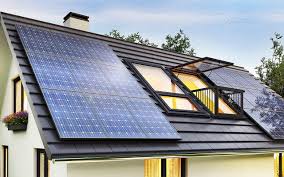
As the world shifts towards renewable energy sources, solar roofs have become an increasingly popular option for homeowners and businesses. But what exactly is a solar roof, and how can you install one? In this comprehensive guide, we’ll explore the ins and outs of solar roofs, including their benefits, costs, and installation requirements.
Understanding the Basics of Solar Roofs
A solar roof is essentially a building-integrated photovoltaic (BIPV) system that converts sunlight into electricity. It’s designed to be an integrated part of your home or business, replacing traditional roofing materials with solar panels.
Solar roofs are made up of several key components:
- Solar Panels: These are the photovoltaic cells that convert sunlight into electricity.
- Mounting System: This is the system used to secure the solar panels to the roof.
- Inverter and Grid Tie Device: These devices convert the DC power generated by the solar panels into AC power that can be fed back into the grid.
Orienting Your Solar Roof
Before installing a solar roof, it’s essential to orient your home correctly. The ideal orientation for a solar roof is south-facing, with an inclination of 30-35 degrees. This will allow the panels to receive maximum sunlight throughout the day. While other orientations like southeast or southwest can still work, they may not be as effective.
Determining the Size of Your Solar Roof
The size of your solar roof will depend on several factors, including the type of panel you choose and the amount of space available on your home. Generally, a 1 kWp system requires around 8 square meters (sqm) of space for an inclined roof and 25 sqm for a flat roof.
Types of Solar Roofs
There are several types of solar roofs to consider, each with its unique characteristics and benefits. Some popular options include:
- Falling-Leaf Roof: This type of roof is ideal for homes with steeply pitched roofs.
- Flat Roof: Suitable for modern homes with flat or slightly sloping roofs.
- Integrative Roof: A hybrid system that combines solar panels with traditional roofing materials.
Designing and Installing a Solar Roof
The design and installation process for a solar roof involves several key steps:
- Conduct a site assessment to determine the ideal orientation and size of your solar roof.
- Choose the right type of panel and mounting system for your home’s unique features.
- Install the mounting system, ensuring secure and level placement.
- Add the solar panels, connecting them to an inverter and grid tie device.
- Complete the electrical connection and test the system.
Innovative Technologies and Trends
The solar roof industry is rapidly evolving, with innovative technologies and trends emerging regularly. Some notable developments include:
- Bifacial Panels: These panels can capture sunlight from both sides, increasing energy output by up to 25%.
- Thin-Film Technology: This type of panel uses a thin layer of photovoltaic material, reducing production costs and environmental impact.
- Solar Roof Tiles: These tiles integrate solar panels into traditional roofing materials, providing a seamless and aesthetically pleasing solution.
Considerations for Historic Buildings
If you’re considering installing a solar roof on an historic building, there are several factors to take into account. Some key considerations include:
- Preservation Laws: Ensure that your installation complies with local preservation laws and regulations.
- Aesthetic Impact: Choose a design that complements the building’s original architecture.
- Structural Integrity: Consult with experts to ensure that the solar roof won’t compromise the building’s structural integrity.
Costs and Incentives
The cost of installing a solar roof can vary widely, depending on factors such as panel quality, installation complexity, and local incentives. However, many governments offer tax credits and rebates to encourage the adoption of renewable energy sources.
Some notable incentives include:
- Federal Tax Credit: Up to 30% off the total cost of your solar roof.
- State Rebates: Varying amounts depending on your location.
- Utility Discounts: Some utilities offer discounted rates for solar customers.
FAQs
Here are some frequently asked questions about solar roofs:
- How much does it cost to install a solar roof?
- The cost of installing a solar roof depends on several factors, including panel quality, installation complexity, and local incentives.
- Do I need a professional for the installation?
- Yes, it’s highly recommended to hire a licensed and experienced solar installer.
- Can I install a solar roof myself?
- While possible, DIY installations can be complex and may not meet safety standards or code requirements.
- How long does a solar roof typically last?
- Solar roofs can last up to 30 years or more with proper maintenance and care.
Conclusion
Installing a solar roof is an exciting opportunity to harness the power of the sun and reduce your energy bills. By understanding the basics of solar roofs, including orientation, size, and installation requirements, you can make an informed decision about this renewable energy source. With innovative technologies and trends emerging regularly, the future of solar roofs looks brighter than ever.


