
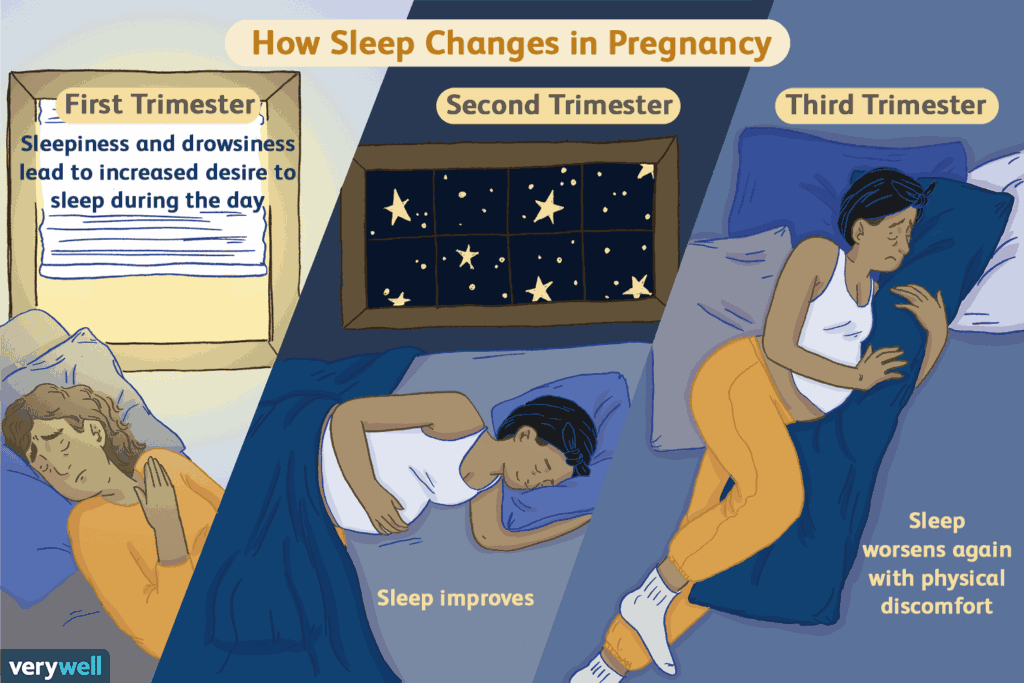
Insomnia during pregnancy is not uncommon, and it’s often caused by hormonal changes that occur naturally during this time. According to a recent study in 2018, approximately 44.2% of women experience insomnia during the first trimester of their pregnancy.
While the study found that insomnia is more likely to occur in those who already have sleep problems before becoming pregnant, anyone can experience disturbances in their sleep during the “waiting period”. In addition, insomnia tends to worsen as the pregnancy progresses, but it can also occur at any stage. So, what causes insomnia during pregnancy? And what can be done to combat this phenomenon?
What Causes Insomnia During Pregnancy?
Insomnia during pregnancy can result from sensations such as hunger, nausea, anxiety or depression. The high levels of progesterone during the first trimester can cause daytime drowsiness.
Apart from hormonal changes, factors that can worsen insomnia include:
• Hunger pangs
• Consuming spicy foods, which can cause digestive problems, especially if consumed close to bedtime
• Nausea
• Anxiety or depression
• Physical discomfort
• Frequent nighttime bathroom trips
• Sudden leg cramps
Other less obvious causes of insomnia during pregnancy include difficulty breathing, which can affect a person’s breathing at night.
The Impact of Insomnia During Pregnancy
Insomnia during pregnancy can have significant consequences on both physical and mental health. Research has shown that chronic sleep disturbances can increase the risk of gestational diabetes, hypertension, and preterm labor. Moreover, insomnia can also affect mood, leading to increased irritability, anxiety, and depression.
On the other hand, getting adequate sleep is essential for fetal development. A study published in the journal Sleep found that women who slept less than 5 hours per night were more likely to have a higher birth weight baby.
How to Overcome Insomnia During Pregnancy
To overcome insomnia during pregnancy, it’s essential to talk to your healthcare provider. However, we’ve also compiled some home remedies that may help you manage the symptoms without relying on products that would be best avoided during pregnancy.
Establishing a Bedtime Routine
Start by establishing bedtime habits that make it easier to fall asleep, giving your brain signals that it’s time to sleep!
Try going to bed and waking up at the same time every day, keeping the bedroom dark and cool, and making sure the bed is comfortable. Avoid using screens like phones or TVs before bedtime, as they can interfere with your ability to fall asleep.
Additionally, get up if you’re not sleeping after 15-30 minutes, limit caffeine intake before bedtime, avoid fluids in the hours leading up to bedtime, or take a relaxing bath.
Using Dietary Supplements
While pregnant women should consult their doctor before taking any supplements, some natural supplements may help with sleep. Melatonin is one such supplement that has been shown to aid in sleep.
However, it’s crucial to note that melatonin can interact with other medications and worsen certain health conditions. Therefore, always consult your healthcare provider before starting any new supplements during pregnancy.
Practicing Relaxation Techniques
Meditation can be a great tool for managing insomnia during pregnancy, as it helps calm an anxious mind. Practicing relaxation techniques like progressive muscle relaxation or yoga can also help you fall asleep faster and sleep more soundly.
Studies have shown that meditation can help with insomnia in pregnant women by reducing stress and anxiety. Additionally, prenatal massage therapy has been found to be beneficial for managing insomnia during pregnancy.
Cognitive Behavioral Therapy
A cognitive behavioral therapy (CBT) model for insomnia can help individuals manage their thoughts and feelings about sleep, while changing their daily habits.
This type of therapy is particularly helpful for people who experience severe sleep deprivation. CBT can also help identify emotions that contribute to insomnia and teach individuals how to make changes in their daily routine to reduce symptoms.
Engaging in Physical Activity
While it may be challenging to maintain a regular exercise routine during pregnancy, research shows that physical activity has numerous benefits for pregnant women, including:
• Lower risk of developing diabetes
• Reduced back pain
• Improved cardiovascular health
However, exercising gently and under the guidance of your healthcare provider is essential.
As for insomnia specifically, gentle exercise can help improve sleep quality by reducing stress and anxiety.
According to a study published in 2016 in the Pakistan Journal of Medical Sciences, practicing physical activity for at least 30 minutes per day, preferably 4-6 hours before bedtime, can also aid in improving sleep quality during pregnancy.
Conclusion
In conclusion, insomnia during pregnancy is more common than you might think, but it’s not a cause for concern. In most cases, it’s a temporary condition that can be managed with the right strategies and support from your healthcare provider.
If you’re struggling to get a good night’s sleep, talk to your doctor about addressing the issue. With the right treatment and lifestyle changes, such as exercise and relaxation techniques, you may be able to overcome insomnia during pregnancy and enjoy better overall health.
Frequently Asked Questions
- What are some signs of insomnia during pregnancy?
- Insomnia can manifest in various ways, including difficulty falling asleep, frequent awakenings throughout the night, or waking up too early and not being able to fall back asleep.
- How common is insomnia during pregnancy?
-
According to a recent study published in 2018, approximately 44.2% of pregnant women experience insomnia during their first trimester.
-
What can I do if I’m experiencing insomnia during pregnancy?
-
Consult your healthcare provider and discuss strategies for managing sleep disturbances.
- Establish a bedtime routine that promotes relaxation and consistency.
-
Engage in regular physical activity under the guidance of your healthcare provider.
-
Can exercise help with insomnia during pregnancy?
- Yes, gentle exercise can improve sleep quality by reducing stress and anxiety.
Additional Tips for Managing Insomnia During Pregnancy
- Keep a sleep diary to track your sleep patterns and identify potential triggers.
- Avoid stimulating activities before bedtime, such as playing video games or watching TV.
- Create a relaxing pre-sleep routine that helps you unwind, such as reading a book or taking a warm bath.
- Consider practicing relaxation techniques like deep breathing exercises or progressive muscle relaxation.
- Get support from your partner, family, and friends to help manage stress and anxiety.
In conclusion, insomnia during pregnancy is a common phenomenon that can be managed with the right strategies and support from healthcare providers. By establishing bedtime habits, engaging in physical activity, practicing relaxation techniques, and getting adequate rest, you can overcome insomnia during pregnancy and enjoy better overall health.


