
Insomnia is a common disorder that affects millions of people worldwide. It’s not just about not being able to sleep, but also about the emotional turmoil it can cause. In this article, we’ll explore the causes of insomnia, natural remedies, and ways to improve your sleep quality.
What is Insomnia?
Insomnia is a condition characterized by difficulty falling asleep or staying asleep. It’s often associated with stress, anxiety, and depression. However, there are other factors that can contribute to insomnia, such as hormonal imbalances, medication side effects, and lifestyle habits.
Types of Insomnia
There are two main types of insomnia: acute and chronic. Acute insomnia is a short-term condition that lasts for less than three months. Chronic insomnia, on the other hand, is a long-term condition that can last for more than three months.
Causes of Insomnia
Some common causes of insomnia include:
- Stress and Anxiety: Stress and anxiety can make it difficult to fall asleep or stay asleep.
- Depression: Depression can lead to changes in sleep patterns, making it harder to sleep or stay awake.
- Hormonal Imbalances: Hormonal imbalances, such as those experienced during menopause or thyroid disorders, can affect sleep quality.
- Medication Side Effects: Certain medications can interfere with sleep patterns, leading to insomnia.
- Lifestyle Habits: Irregular sleep schedule, caffeine consumption, and exposure to screens before bedtime can disrupt sleep patterns.
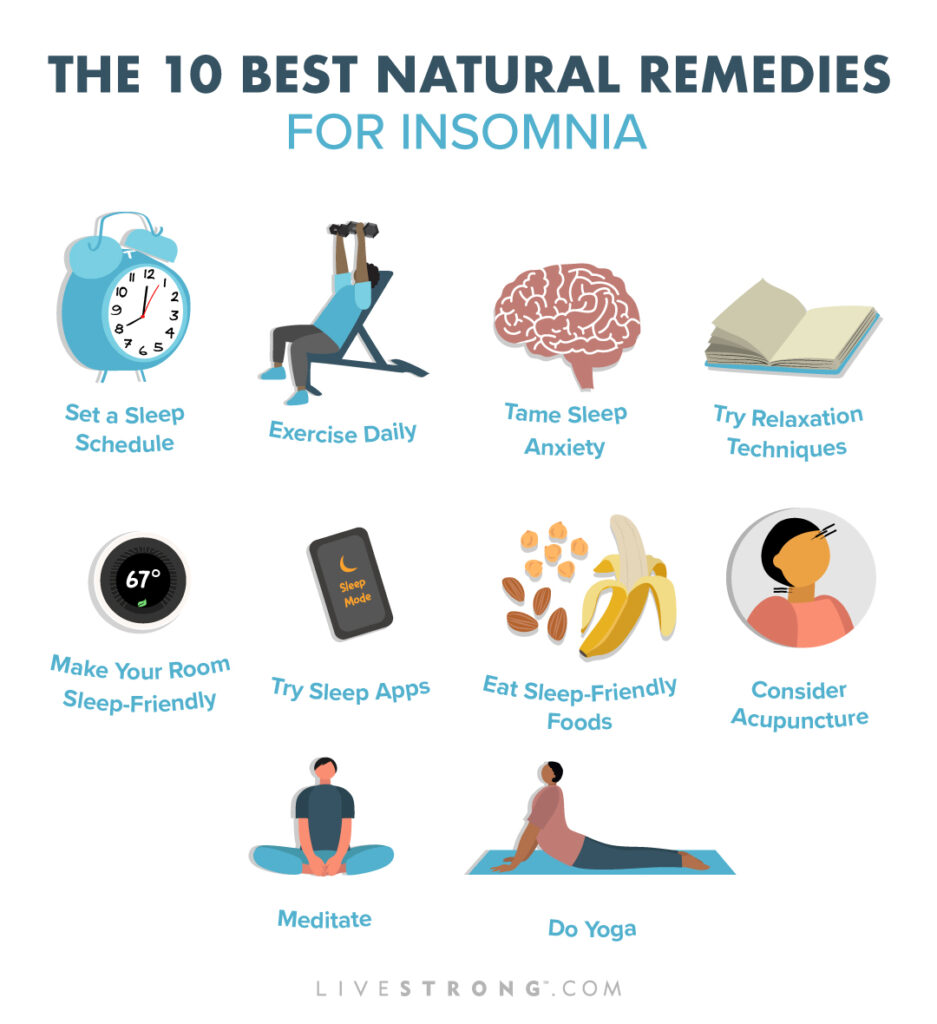
Natural Remedies for Insomnia
There are several natural remedies that can help alleviate insomnia. Some of these include:
- Melatonin: A hormone that regulates sleep-wake cycles.
- Valerian Root: A natural sedative that promotes relaxation and improves sleep quality.
- Chamomile Tea: A calming tea that can promote relaxation and improve sleep quality.
- Lavender Oil: A calming essential oil that can promote relaxation and improve sleep quality.
- Yoga and Meditation: Practices that can help reduce stress and anxiety, leading to improved sleep quality.
Sleep Environment
The sleep environment plays a crucial role in improving sleep quality. Here are some tips for creating an ideal sleep environment:
- Darkness: Ensure the bedroom is dark or use blackout curtains to block out light.
- Quiet: Use earplugs or white noise machines to block out noise.
- Cool Temperature: Keep the bedroom cool, ideally between 60-67°F (15-19°C).
- Comfortable Bedding: Invest in a comfortable mattress and pillows.
Lifestyle Changes
Making lifestyle changes can also help alleviate insomnia. Here are some tips:
- Establish a Bedtime Routine: Develop a consistent bedtime routine to signal the body that it’s time to sleep.
- Avoid Stimulants Before Bedtime: Avoid consuming stimulants like caffeine and nicotine at least four hours before bedtime.
- Exercise Regularly: Regular exercise can help improve sleep quality, but avoid vigorous exercise within three hours of bedtime.
Managing Insomnia
Managing insomnia requires a comprehensive approach that addresses the underlying causes, improves sleep habits, and promotes relaxation. Here are some tips for managing insomnia:
- Keep a Sleep Diary: Keep a record of sleep patterns to identify patterns and triggers.
- Seek Professional Help: Consult with a healthcare professional or a sleep specialist to develop a personalized treatment plan.
- Practice Relaxation Techniques: Practice relaxation techniques like deep breathing, progressive muscle relaxation, and meditation to reduce stress and anxiety.
Insonnia: Causes
Insomnia causes can be complex, involving multiple factors. Here are some common causes:
- Stress and Anxiety: Stress and anxiety can make it difficult to fall asleep or stay asleep.
- Depression: Depression can lead to changes in sleep patterns, making it harder to sleep or stay awake.
- Hormonal Imbalances: Hormonal imbalances, such as those experienced during menopause or thyroid disorders, can affect sleep quality.
- Medication Side Effects: Certain medications can interfere with sleep patterns, leading to insomnia.
Insonnia: Remedies
Remedies for insomnia can vary depending on the underlying cause. Here are some common remedies:
- Establish a Bedtime Routine: Develop a consistent bedtime routine to signal the body that it’s time to sleep.
- Create a Sleep-Conducive Environment: Make the bedroom a sleep sanctuary by ensuring it’s dark, quiet, and cool.
- Avoid Stimulants Before Bedtime: Avoid consuming stimulants like caffeine and nicotine at least four hours before bedtime.
Insonnia: Film
Films can be an excellent way to relax and unwind before bed. Here are some recommendations:
- “Insomnia” (2002): A psychological thriller directed by Christopher Nolan that explores the theme of insomnia.
- “The Shawshank Redemption” (1994): A highly rated drama film that features a powerful story about hope and redemption.
Conclusion
Insomnia is a complex condition that can be caused by various factors. By understanding its causes, finding natural remedies, and making lifestyle changes, it’s possible to alleviate insomnia symptoms and improve sleep quality.
Frequently Asked Questions (FAQs)
- Q: What is the best way to fall asleep?
A: Establish a consistent bedtime routine, create a sleep-conducive environment, and avoid stimulants before bedtime. - Q: Can insomnia be cured?
A: Insomnia can be managed with lifestyle changes and natural remedies, but it may not be completely cured. - Q: What are some effective ways to reduce stress and anxiety?
A: Yoga, meditation, deep breathing exercises, and journaling can help reduce stress and anxiety.
Additional Resources
- National Sleep Foundation (NSF)
- American Academy of Sleep Medicine (AASM)
- Mayo Clinic – Sleep Disorders
Note that while the above information is accurate, insomnia is a complex condition that may require professional medical attention. If you’re experiencing persistent sleep problems, consult with a healthcare professional for personalized advice and treatment.


