
As a healthcare professional or simply someone who wants to take their temperature accurately, you’re likely familiar with thermometers. But have you ever considered using an infrared thermometer? These devices are gaining popularity due to their speed, accuracy, and ease of use.
In this article, we’ll delve into the world of temperature infrared thermometers, exploring what they are, how they work, and which ones are best suited for your needs.
What is a Temperature Infrared Thermometer?
A temperature infrared thermometer, also known as a pyrometer, is an electronic device that measures temperature by detecting infrared radiation emitted by objects. This type of thermometer has gained popularity in recent years due to its ability to measure temperature quickly and accurately without physical contact.
There are two main types of infrared thermometers: those that measure external temperature from the front of the face and those that require insertion into the ear canal.
How Do Infrared Thermometers Work?
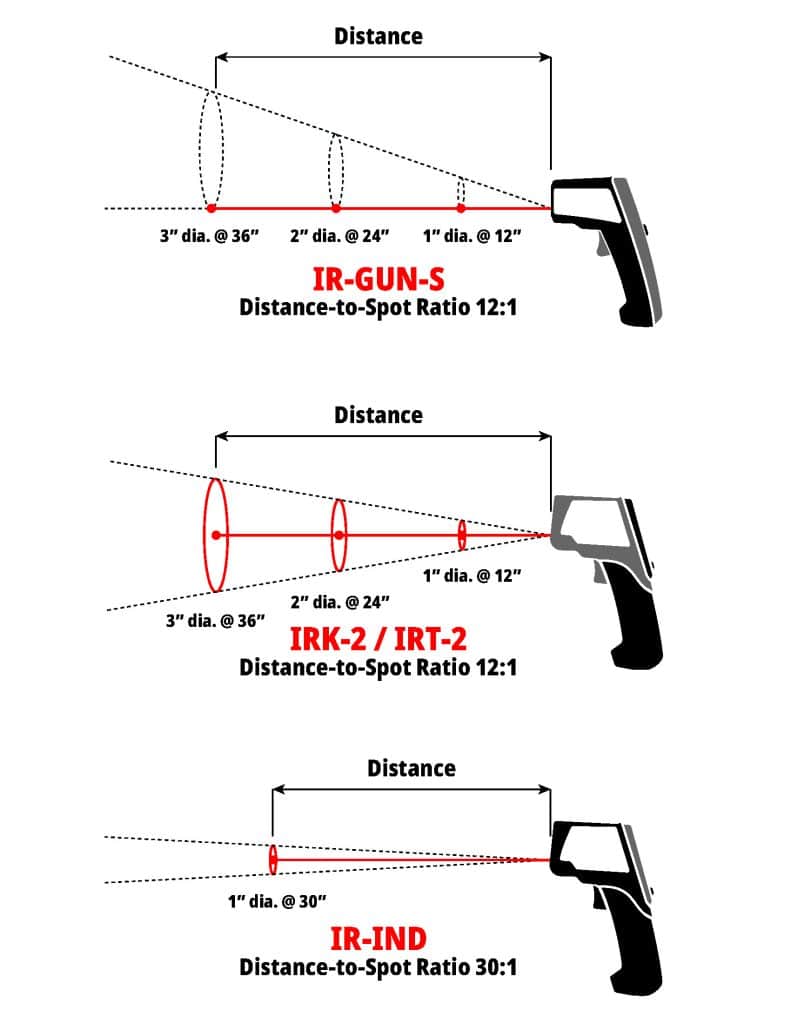
Infrared thermometers work by detecting the heat emitted by objects, which is invisible to the human eye. The device uses a special sensor that converts this radiation into an electrical signal, which is then displayed on an LCD screen.
The key benefits of infrared thermometers include:
- Fast measurement time: Infrared thermometers can measure temperature in just a few seconds.
- Non-invasive: These thermometers don’t require physical contact with the object being measured.
- Accurate results: Modern infrared thermometers are highly accurate and reliable.
Types of Infrared Thermometers
There are several types of infrared thermometers available, including:
- Forehead Thermometers: These thermometers measure external temperature from the front of the face using a special sensor that detects heat radiation.
- Ear Canal Thermometers: These thermometers require insertion into the ear canal to measure internal body temperature.
- Digital Infrared Thermometers: These thermometers display temperature on an LCD screen and often come with additional features such as alarm functions and memory storage.
Advantages of Infrared Thermometers
Infrared thermometers offer several advantages over traditional thermometers, including:
- Faster measurement time: Infrared thermometers can measure temperature in just a few seconds.
- Non-invasive: These thermometers don’t require physical contact with the object being measured.
- Accurate results: Modern infrared thermometers are highly accurate and reliable.
Disadvantages of Infrared Thermometers
While infrared thermometers offer several advantages, they also have some disadvantages. Some of the drawbacks include:
- Environmental conditions: Temperature fluctuations in the environment can affect the accuracy of the measurement.
- Sensor quality: The quality of the sensor used in the thermometer can impact its accuracy.
- Cost: Infrared thermometers are generally more expensive than traditional thermometers.
Choosing the Right Infrared Thermometer
When choosing an infrared thermometer, it’s essential to consider several factors. Some key considerations include:
- Accuracy: Look for a thermometer with high accuracy and reliability.
- Ease of use: Choose a thermometer that is easy to operate and understand.
- Additional features: Consider additional features such as alarm functions and memory storage.
Best Infrared Thermometers on the Market
There are several top-rated infrared thermometers available on the market, including:
- Medela Infrared Thermometer: This thermometer measures external temperature from the front of the face using a special sensor.
- Digital Infrared Thermometer by Vivosun: This thermometer displays temperature on an LCD screen and comes with additional features such as alarm functions and memory storage.
- Ear Canal Thermometer by Lasko: This thermometer requires insertion into the ear canal to measure internal body temperature.
Precautions When Using Infrared Thermometers
When using infrared thermometers, it’s essential to follow proper usage guidelines to ensure accurate results. Some precautions to consider include:
- Avoiding exposure to direct sunlight: Direct sunlight can affect the accuracy of the measurement.
- Avoiding use on reflective surfaces: Infrared thermometers should not be used on reflective surfaces such as metal or glass.
Conclusion
Temperature infrared thermometers are a valuable tool for measuring temperature quickly and accurately. By understanding how they work, choosing the right one for your needs, and following proper usage guidelines, you can ensure accurate results with these devices. Whether you’re a healthcare professional or simply someone who wants to take their temperature accurately, an infrared thermometer is a great investment.



