
As we navigate through the world of technology, it’s easy to overlook the humble beginnings of a seemingly modern innovation like LED lighting. But, as we’ll discover, the history of LED lights dates back to the 1960s, when the first LED was developed. In this article, we’ll delve into the fascinating story of LED lighting, its evolution, and the benefits that make it an attractive option for households and industries alike.
A Brief History of LED Lighting
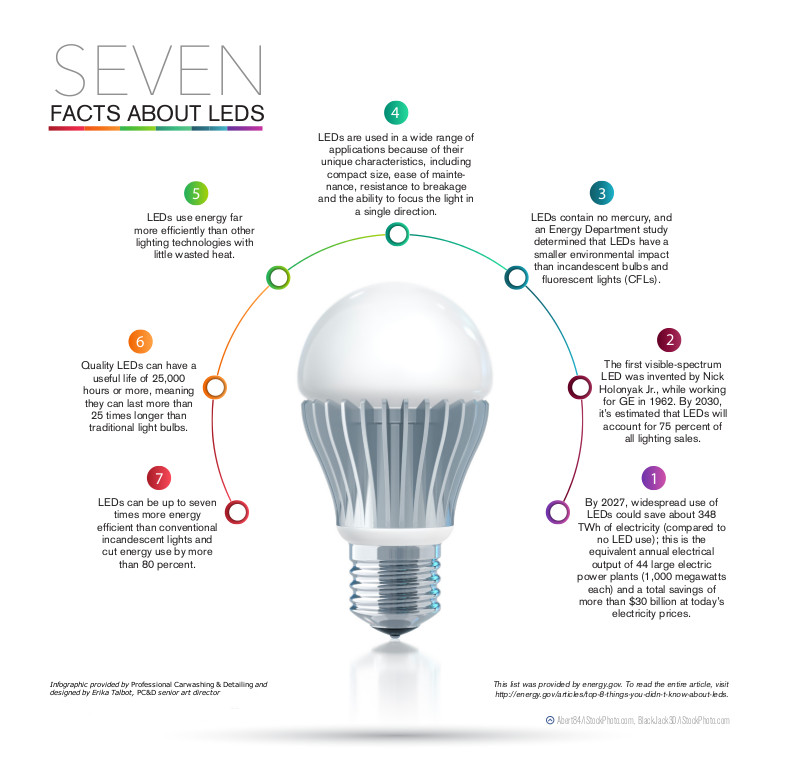
The first LED was invented in 1962 by Nick Holonyak Jr., an engineer at General Electric Company. However, it took around 50 years for LEDs to become a mainstream technology, with significant advancements in the 2010s. Today, we use LEDs in various applications, from lighting homes to illuminating public spaces.
How LED Lighting Works
So, how do LEDs work their magic? The answer lies in the diodes themselves, which are made from semiconducting materials like gallium arsenide, gallium phosphide, and silicon carbide. When an electric current flows through these diodes, it emits light energy that we perceive as LED lighting.
The Color of Light: A Matter of Semantics
One interesting aspect of LED lighting is the color palette available. While LEDs themselves don’t emit white light, the combination of different colors can produce a wide range of hues. For instance, blue LEDs are often used to create red or pink lights by adding yellow or orange LEDs to their spectrum.
LED Materials and Manufacturing
The materials used in LED production have improved significantly over the years, with advancements in semiconductor technology leading to more efficient and durable devices. Some common materials include gallium arsenide, gallium phosphide, silicon carbide, and indium gallium nitride.
Applications of LED Lighting
From household lighting to industrial illumination, LEDs are being used in various applications. One early adoption was in traffic signals and road signs, followed by the use of LEDs in displays and public art installations. Today, we see LEDs in lamp posts, residential lighting, and even automotive interiors.
Benefits of LED Lighting
So, why should you choose LED lighting over traditional options? Here are a few compelling reasons:
- Energy Efficiency: LEDs consume up to 80% less energy than incandescent bulbs, making them an attractive choice for households and industries looking to reduce their carbon footprint.
- Long Lifespan: With a lifespan of around 50,000 to 100,000 hours, LEDs can outlast traditional lighting options by a significant margin.
- Low Maintenance: LEDs require minimal maintenance, as they’re resistant to dust, water, and extreme temperatures.
The Future of LED Lighting
As technology continues to evolve, we can expect even more innovative applications for LED lighting. With advancements in microLEDs, OLEDs, and other display technologies, the possibilities seem endless.
Some potential future developments include:
- Higher Efficiency: Researchers are working on developing LEDs with even higher efficiency rates, which could lead to even greater energy savings.
- Wider Color Gamut: As LED technology advances, we can expect to see a wider range of colors and hues available for lighting applications.
- Increased Durability: Future LEDs may be designed to withstand harsher environments, making them ideal for use in extreme conditions.
Frequently Asked Questions
Here are some answers to common questions about LED lighting:
- What is the difference between a regular bulb and an LED bulb?
- Regular bulbs emit light through heat, while LEDs produce light through semiconducting materials.
- How long do LEDs last compared to traditional bulbs?
- LEDs can last up to 50,000 hours or more, while incandescent bulbs typically last around 1,000-2,000 hours.
- Are LEDs suitable for outdoor use?
- Yes, many LED lighting solutions are designed specifically for outdoor applications and can withstand extreme temperatures, weather conditions, and UV radiation.
Sustainability and Environmental Impact
LEDs have a significant impact on the environment due to their energy efficiency and long lifespan. Some of the key benefits include:
- Reduced Carbon Emissions: By consuming less energy, LEDs contribute to reduced carbon emissions and help mitigate climate change.
- Minimized Waste: With LEDs lasting up to 50 times longer than incandescent bulbs, they significantly reduce waste generated by traditional lighting options.
- Conservation of Natural Resources: LED production requires fewer raw materials and generates less pollution compared to traditional lighting methods.
Industries and Applications
LEDs are being used in various industries and applications, including:
- Automotive: LEDs are used for interior and exterior lighting in vehicles, offering improved safety, efficiency, and aesthetics.
- Aerospace: LEDs provide high-brightness, long-lifespan illumination for aircraft, spacecraft, and other aerospace applications.
- Medical Equipment: LED lighting is used in medical equipment, such as surgical instruments, to improve visibility and reduce eye strain.
- Public Spaces: LEDs are used extensively in public spaces, including streetlights, building facades, and architectural features.
Challenges and Limitations
While LEDs offer numerous benefits, there are also challenges and limitations to consider:
- High Upfront Costs: While LEDs can save energy and last longer than traditional lighting options, the initial investment can be higher.
- Color Temperature: Some people may find that certain color temperatures of LEDs affect their mood or comfort level.
- Dimming Capabilities: Not all LED fixtures are compatible with dimming systems, which can limit their use in certain applications.
In conclusion, the world of LED lighting is a fascinating one, with its history, technology, and benefits offering a wealth of knowledge for those interested in this field. As we look to the future, it’s clear that LEDs will continue to play an increasingly important role in shaping our built environment.


