
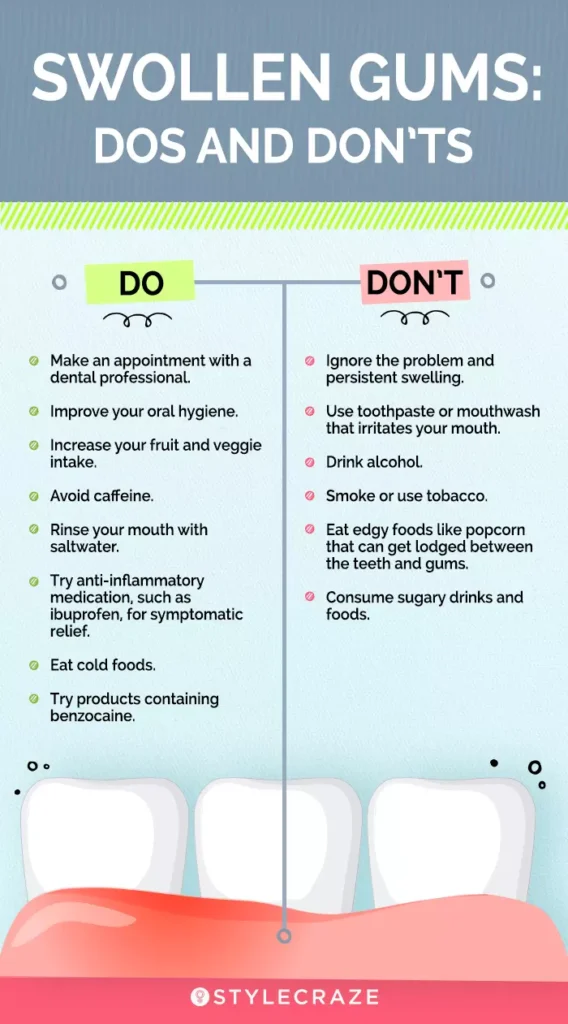
As the oldest friend of our teeth, gums play a crucial role in maintaining oral hygiene and overall health. However, when gums become inflamed, it can lead to severe consequences, including tooth loss. In this article, we will delve into the world of gingivitis, explore its symptoms, causes, and natural remedies, as well as discuss the importance of regular dental check-ups.
What are Healthy Gums?
Healthy gums are compact, pink, and do not bleed easily. They cover the underlying bone that supports each tooth, forming a protective layer called periodontium. A healthy gum is essential for maintaining good oral hygiene and overall health. When gums are healthy, they can:
- Protect teeth from decay and damage
- Support the structure of the jawbone
- Help regulate the flow of saliva to neutralize acids and remineralize teeth
- Aid in the removal of plaque and bacteria
On the other hand, unhealthy gums can lead to a range of problems, including:
- Gingivitis: inflammation of the gums that can cause redness, swelling, and bleeding
- Periodontitis: infection of the gums and bone that supports the teeth
- Tooth loss: if left untreated, gum disease can lead to tooth loss
Gingivitis: Symptoms and Causes
Gingivitis is characterized by redness, swelling, and bleeding of the gums. It can be painful and uncomfortable, making it challenging to eat, speak, or even smile. But what causes this inflammation?
Gingivitis is often triggered by the accumulation of plaque, a sticky film of bacteria that forms on teeth. When plaque is not removed regularly, it can calcify and harden into tartar, leading to chronic inflammation and gum disease.
Understanding Plaque and Tartar
Plaque is composed of various microorganisms that feed on food particles and other substances in the mouth. If left unchecked, plaque can lead to the formation of tartar, a hardened deposit that can only be removed by a professional dental cleaning.
Tartar is difficult to remove using over-the-counter methods, but regular flossing with an interdental brush or thread can help prevent its buildup. In addition to flossing, there are other ways to prevent plaque and tartar from forming:
- Brushing teeth at least twice a day with an antitartar toothpaste
- Using mouthwash that contains antibacterial ingredients
- Avoiding sugary foods and drinks that can contribute to the growth of bacteria
Natural Remedies for Gingivitis
While medical treatments are essential, there are several natural remedies that can help alleviate gum inflammation:
• Spazzolino e dentifricio: Brush your teeth at least twice a day and replace your toothbrush every three months. Use an antitartar toothpaste to prevent tartar buildup.
• Collutorio: Use a clorexidin-based mouthwash to combat bacterial growth and inflammation.
• Filo interdentale: Regularly clean between teeth with an interdental brush or thread to remove plaque and bacteria.
• Xilitolo: This natural sweetener has antibacterial properties that can help prevent caries and gum disease.
• Dentista e pulizia dei denti: Schedule regular dental check-ups (at least twice a year) to monitor gum health and receive professional cleanings.
Grandmother’s Remedies: The Power of Nature
In the past, grandmothers have shared their secrets for maintaining healthy gums through natural remedies. One such remedy is masticating on chiodi di garofano (garlic cloves). The active compounds in garlic oil can help reduce inflammation and kill bacteria that cause gum disease.
Other grandmother-approved remedies include:
- Saltwater rinse: Rinsing the mouth with saltwater several times a day can help reduce inflammation and kill bacteria.
- Honey: Honey has antibacterial properties that can help soothe and heal gums.
- Aloe vera: Aloe vera gel has anti-inflammatory properties that can help reduce redness and swelling.
Frequently Asked Questions: Gingivitis
Q: What is the most effective way to remove tartar?
A: Tartar can only be removed by a professional dental cleaning. Regular flossing with an interdental brush or thread can help prevent its buildup.
Q: Can I use over-the-counter mouthwashes to treat gingivitis?
A: While some mouthwashes contain antibacterial ingredients, it is essential to consult your dentist before using any oral treatment.
Q: How often should I visit my dentist for a check-up?
A: Schedule at least two dental visits per year to monitor gum health and receive professional cleanings.
Q: Can natural remedies replace medical treatments for gingivitis?
A: No. While natural remedies can help alleviate symptoms, they may not be effective in treating severe cases of gum disease. Consult your dentist before using any oral treatment.
Professional Treatments for Gingivitis
While natural remedies can help alleviate symptoms, professional treatments are essential for treating and preventing gum disease. Some common professional treatments include:
- Dental cleaning: A thorough cleaning of the teeth and gums by a dental hygienist or dentist.
- Scaling and root planing: A procedure that removes plaque and tartar from the teeth and smooths out the roots of the teeth.
- Fluoride treatment: A treatment that applies fluoride to the teeth to strengthen them and prevent decay.
Preventing Gingivitis
Prevention is key when it comes to gum disease. Here are some ways to prevent gingivitis:
- Practice good oral hygiene: Brush your teeth at least twice a day with an antitartar toothpaste, and floss daily.
- Visit your dentist regularly: Schedule regular dental check-ups (at least twice a year) to monitor gum health and receive professional cleanings.
- Avoid sugary foods and drinks: Limit consumption of sugary foods and drinks that can contribute to the growth of bacteria.
- Quit smoking: Smoking is a significant risk factor for gum disease.
Conclusion
Gingivitis is a common problem that can have severe consequences if left untreated. By understanding its symptoms, causes, and natural remedies, as well as discussing the importance of regular dental check-ups, you can take control of your oral health and maintain a beautiful, healthy smile for years to come. Remember, prevention is key, so practice good oral hygiene, visit your dentist regularly, and avoid sugary foods and drinks that can contribute to the growth of bacteria. With the right treatment and care, you can say goodbye to gingivitis and hello to a healthier, happier smile!


