
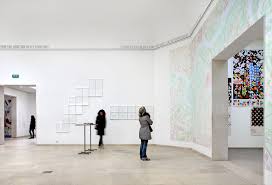
As we look to the future of architecture, it’s clear that the lines between industry, architecture, and territory are becoming increasingly blurred. The 13th International Architecture Exhibition of the Venice Biennale is no exception, as it showcases some of Italy’s most innovative industrial architects who have chosen to prioritize sustainability, aesthetics, and community engagement in their designs.
A New Generation of Industrial Architects
The Padiglione Italia, designed by Luca Zevi after a rigorous selection process involving 10 Italian architects, is the crowning jewel of this exhibition. As a reflection on the relationship between industry, architecture, and territory, it highlights the importance of integrating cultural and economic factors into our built environment.
Sustainable Industry, Sustainable Future
By showcasing companies that have chosen to prioritize sustainability in their production processes and architectural designs, the Padiglione Italia aims to inspire a new generation of industrial architects. These pioneers are not only reducing environmental impact but also creating spaces that promote well-being and social interaction among employees and local communities.
The Miralduolo Stabilimento: A Case Study
One such example is the Miralduolo Stabilimento in Umbria, designed by Filippo Raimondo of Studio ABDR. This exemplary industrial building has become a model for automation and organizational values, while maintaining a harmonious relationship with its natural surroundings.
Nature-Integrated Industrial Architecture
The Miralduolo Stabilimento is nestled within a stunning landscape of rolling hills, showcasing the potential for nature-integrated industrial architecture. By burying its footprint below 6 meters of soil and maintaining continuity on multiple levels, this building demonstrates a long-term vision that has successfully merged industrial production with environmental sensitivity.
A Family Legacy: Sustainability and Aesthetics
The Margaritelli family’s commitment to sustainability and aesthetic design is evident in the Miralduolo Stabilimento. This pioneering project has not only become an icon of Italian industrial architecture but also serves as a testament to the power of collaboration between entrepreneurs, architects, and local communities.
A Shared Future: Industry, Architecture, and Territory
As we look to the future, it’s clear that industry, architecture, and territory must come together in a harmonious balance. The Miralduolo Stabilimento is just one example of how companies can integrate sustainable practices with innovative design, creating spaces that promote well-being, social interaction, and environmental stewardship.
The Venice Biennale: A Platform for Innovation
The 13th International Architecture Exhibition of the Venice Biennale provides a unique platform for showcasing the latest developments in industrial architecture. By highlighting the intersection of industry, architecture, and territory, this exhibition inspires us to reevaluate our relationship with the built environment and strive for a more sustainable future.
Frequently Asked Questions
- What is the significance of the Miralduolo Stabilimento?
The Miralduolo Stabilimento represents a pioneering example of industrial architecture that has successfully merged sustainability, aesthetics, and community engagement. - How did the Margaritelli family contribute to this project?
The Margaritelli family’s commitment to sustainability and aesthetic design was instrumental in shaping the Miralduolo Stabilimento into an iconic industrial building. - What role does nature play in the Miralduolo Stabilimento’s design?
Nature is deeply integrated into the Miralduolo Stabilimento’s design, with a focus on burying its footprint and maintaining continuity with the surrounding landscape. - How does the Padiglione Italia reflect the intersection of industry, architecture, and territory?
The Padiglione Italia serves as a reflection on the relationship between industry, architecture, and territory, highlighting the importance of integrating cultural and economic factors into our built environment. -
What are some key takeaways from this exhibition?
The 13th International Architecture Exhibition of the Venice Biennale inspires us to reevaluate our relationship with the built environment, prioritize sustainability, and strive for a more harmonious balance between industry, architecture, and territory. -
How can companies integrate sustainable practices into their industrial designs?
Companies can integrate sustainable practices into their industrial designs by prioritizing energy efficiency, reducing waste, and promoting eco-friendly materials.
Designing Industrial Architecture for Sustainability
Industrial architecture is not just about production; it’s also about creating spaces that promote well-being, social interaction, and environmental stewardship. Designers must prioritize sustainability, aesthetics, and community engagement in their projects to create a more harmonious balance between industry, architecture, and territory.
The Role of Technology in Sustainable Industrial Architecture
Technology plays a crucial role in sustainable industrial architecture, from energy-efficient lighting systems to advanced automation technologies that reduce waste and promote eco-friendly practices. By incorporating cutting-edge technology into their designs, architects can create spaces that not only minimize environmental impact but also maximize productivity and efficiency.
Challenges and Opportunities
While there are many challenges to creating sustainable industrial architecture, there are also numerous opportunities for innovation and collaboration. As we look to the future, it’s clear that industry, architecture, and territory must come together in a harmonious balance. By showcasing innovative designs like the Miralduolo Stabilimento and highlighting the significance of sustainable practices, we can create a more sustainable future.
The Future of Industrial Architecture: Trends and Predictions
As we look to the future, there are several trends and predictions that will shape the direction of industrial architecture:
- Increased focus on sustainability: As concern for the environment continues to grow, industry, architecture, and territory must prioritize sustainability in all aspects of their work.
- Integration of technology: Advanced technologies like automation, energy-efficient lighting systems, and building information modeling (BIM) will continue to play a crucial role in creating sustainable industrial architecture.
- Collaboration and innovation: Collaboration between industry, architecture, and local communities will be essential in creating spaces that promote well-being, social interaction, and environmental stewardship.
Conclusion
As we look to the future of industrial architecture, it’s clear that the intersection of industry, architecture, and territory is becoming increasingly important. By showcasing innovative designs like the Miralduolo Stabilimento and highlighting the significance of sustainable practices, we can create a more harmonious balance between economic development, environmental stewardship, and community engagement. The future of industrial architecture holds many challenges and opportunities for innovation and collaboration, but with a shared vision of sustainability and aesthetics, we can create a better world for all.


