
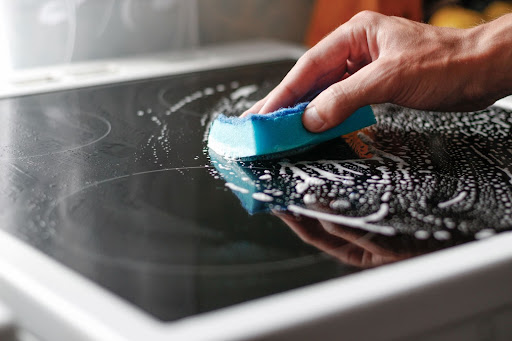
Induction cooking is a convenient and efficient way to cook, but it requires regular maintenance to keep your cooktop in good condition. In this article, we will show you how to clean your induction cooktop effectively, avoiding common mistakes that can damage the surface.
Why Clean Your Induction Cooktop?
A dirty induction cooktop can lead to a range of problems, including:
- Algae growth: A buildup of algae on your induction cooktop can cause it to become discolored and may affect its performance.
- Streaks and discoloration: Dirt and grime can leave streaks and discoloration on your induction cooktop, which can be difficult to remove.
- Reduced cooking performance: A dirty induction cooktop can reduce the performance of your cooktop, making it less efficient and potentially leading to uneven heating.
- Potential fire hazards: If you don’t clean your induction cooktop regularly, the buildup of grease and food particles can create a fire hazard.
Pre-Cleaning Preparation
Before you start cleaning your induction cooktop, make sure you have the right tools and materials. You’ll need a soft, non-abrasive sponge or cloth, a gentle cleanser specifically designed for induction surfaces, and a microfiber cloth for drying.
Recommended Cleaning Products:
Here are some recommended products that can help you clean your induction cooktop effectively:
- Electrolux Care: A gentle cleanser that is specifically designed to clean induction surfaces without leaving any residues.
- Vileda Ceran: A microfiber cloth that is soft on the surface and effective at picking up dirt and grime.
- Weiman Induction Cooktop Cleaner: A gentle and non-toxic cleaner that is specifically designed for cleaning induction cooktops.
Cleaning Methods:
There are several methods to clean an induction cooktop, but not all of them are suitable. Here are some tips:
- Avoid using abrasive materials: Never use scouring pads, steel wool, or other abrasive materials that can scratch the surface.
- Don’t use harsh chemicals: Avoid using bleach, ammonia, or other strong cleaning agents that can damage the surface or leave residue.
- Use a gentle cleanser: Opt for a mild detergent specifically designed for induction surfaces.
Tips for Effective Cleaning:
To get the best results, follow these tips:
- Clean spills immediately: Don’t let spills sit on the surface for too long, as they can leave stubborn stains.
- Use a soft cloth: Avoid using abrasive materials that can scratch the surface.
- Dry the surface thoroughly: Use a microfiber cloth to dry the surface and prevent water spots.
Common Mistakes to Avoid:
Here are some common mistakes to avoid when cleaning your induction cooktop:
- Using harsh chemicals: Never use bleach, ammonia, or other strong cleaning agents that can damage the surface.
- Scouring the surface: Avoid using abrasive materials that can scratch the surface.
- Not drying the surface thoroughly: Failing to dry the surface properly can lead to water spots and mineral deposits.
Tips for Removing Stubborn Stains:
If you’re dealing with stubborn stains on your induction cooktop, here are some tips:
- Use a gentle cleanser: Opt for a mild detergent specifically designed for induction surfaces.
- Let it sit: Allow the cleanser to sit on the stain for a few minutes before wiping it away with a soft cloth.
- Repeat if necessary: If the stain persists, repeat the cleaning process until the stain is removed.
Tips for Preventing Water Spots:
To prevent water spots from forming on your induction cooktop, here are some tips:
- Dry the surface thoroughly: Use a microfiber cloth to dry the surface after cleaning.
- Avoid using abrasive materials: Never use scouring pads, steel wool, or other abrasive materials that can scratch the surface.
- Use a gentle cleanser: Opt for a mild detergent specifically designed for induction surfaces.
Conclusion:
Cleaning your induction cooktop is an essential part of maintaining its performance and longevity. By following these tips and avoiding common mistakes, you can keep your cooktop in great condition and ensure it continues to perform well for years to come.
Frequently Asked Questions (FAQs)
Here are some frequently asked questions about cleaning your induction cooktop:
-
What is the best way to clean an induction cooktop?
- Use a gentle cleanser specifically designed for induction surfaces and a soft, non-abrasive sponge or cloth.
-
Can I use bleach to clean my induction cooktop?
-
No, it’s not recommended to use bleach on your induction cooktop, as it can damage the surface or leave residue.
-
How often should I clean my induction cooktop?
-
Clean your induction cooktop regularly to prevent dirt and grime from building up and causing problems.
-
Can I use a steel wool pad to clean my induction cooktop?
-
No, it’s not recommended to use a steel wool pad on your induction cooktop, as it can scratch the surface.
-
What is the best way to remove stubborn stains from my induction cooktop?
-
Use a gentle cleanser specifically designed for induction surfaces and a soft, non-abrasive sponge or cloth to gently scrub away the stain.
Preventing Algae Growth:
To prevent algae growth on your induction cooktop, here are some tips:
- Clean the surface regularly: Clean your induction cooktop regularly to remove dirt and grime that can contribute to algae growth.
- Use a gentle cleanser: Opt for a mild detergent specifically designed for induction surfaces.
- Dry the surface thoroughly: Use a microfiber cloth to dry the surface after cleaning.
Conclusion:
Cleaning your induction cooktop is an essential part of maintaining its performance and longevity. By following these tips and avoiding common mistakes, you can keep your cooktop in great condition and ensure it continues to perform well for years to come.


