
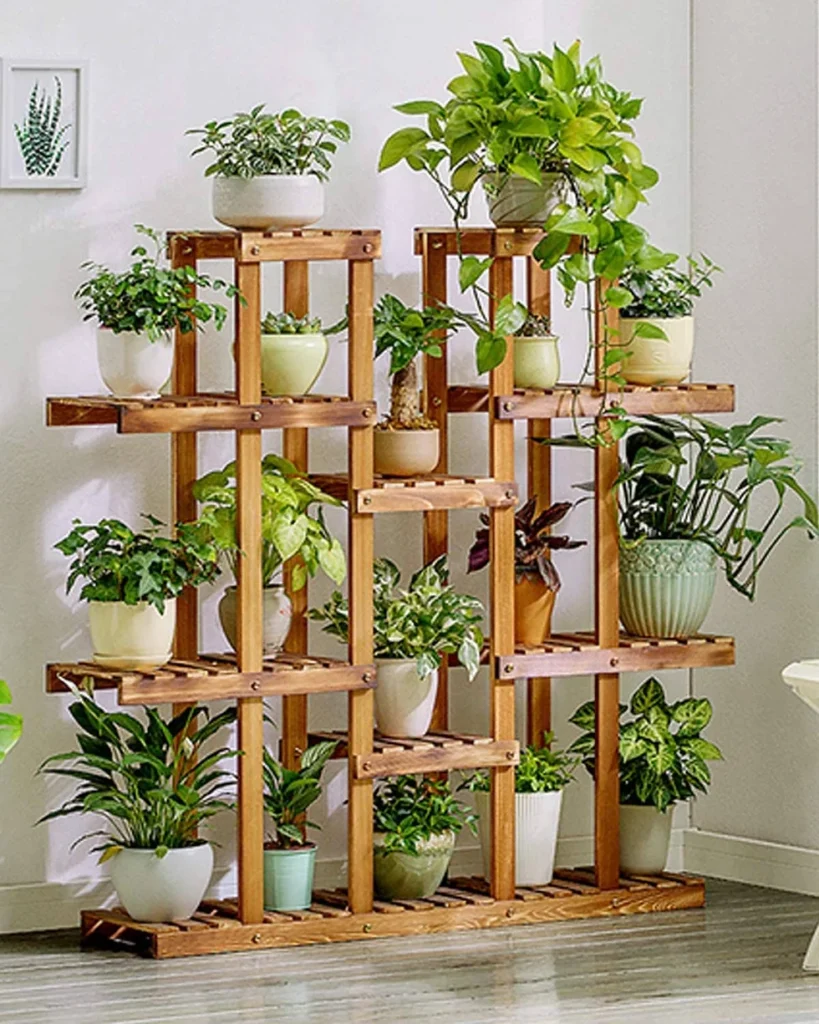
As the world becomes increasingly urbanized, there’s a growing need for sustainable and eco-friendly solutions to transform indoor spaces into lush green oases. One innovative approach is the use of vertical gardens, which have become an essential aspect of eco-architecture for interiors. These green walls are not just aesthetically pleasing; they also provide numerous benefits for our well-being and the environment.
What is a Vertical Garden?
A vertical garden is a wall covered with a series of modules that allow plants to attach, take root, and grow, creating a single, cohesive covering of the entire wall. Not all vertical gardens feature traditional “vertical” plants; some incorporate non-traditional elements like mosses or other vegetation.
Key Components of Vertical Gardens
The typical components of a vertical garden include:
- Modular frames: usually made from aluminum or recycled materials, which provide a structural framework for the plants to grow on.
- Growing pockets: often filled with natural fibers like cotton or coconut husk, where the plants’ roots can anchor themselves.
- Watering and nutrient systems: automated dosers and control centers that ensure plants receive the necessary nutrients and water.
Benefits of Vertical Gardens
In addition to their visual appeal, vertical gardens offer several practical advantages:
- Energy efficiency: By providing a natural source of oxygen and regulating indoor temperatures, vertical gardens can help reduce energy consumption.
- Air purification: Plants are known to absorb pollutants and release oxygen, improving indoor air quality.
- Reduced carbon footprint: By utilizing recycled materials and minimizing waste, vertical gardens contribute to a more sustainable built environment.
Innovative Designs and Applications
The versatility of vertical gardens has led to the development of innovative designs and applications:
- MossTile: A type of vertical garden created with a special species of moss that thrives in low-light environments. It requires minimal maintenance and can be applied to walls using a variety of shapes and patterns.
- National Gallery’s Vertical Garden: A striking example of an eco-friendly design, featuring 8,000 plants across 25 different species. This project demonstrates the potential for vertical gardens to enhance public spaces while promoting sustainability.
Real-World Examples and Inspiration
To spark creativity and inspire your own indoor garden projects:
- Quizcamp’s Minigarden: A modular, compact vertical garden system designed for indoor use.
- Wally Living Wall: A sustainable, eco-friendly system featuring “pockets” made from recycled PET plastic.
- The ancient “Pensili Gardens” of Babylon: An archaeological site that showcases the enduring power of vertical gardens throughout history.
Challenges and Limitations
Despite their many benefits, vertical gardens also face some challenges and limitations:
- Maintenance: Vertical gardens require regular maintenance to ensure plant health and prevent pests.
- Space constraints: While compact vertical garden systems are available, they may still require significant space and support structures.
- Cost: High-quality modular frames and nutrient systems can be expensive, although costs are decreasing as technology improves.
Solutions to Overcome Challenges
To overcome the challenges and limitations associated with vertical gardens:
- Regular maintenance: Regular watering, pruning, and monitoring of plant health is crucial for optimal performance.
- Space planning: Careful consideration of space constraints and support structures can help optimize vertical garden design.
- Cost-effective solutions: Investing in cost-effective materials and exploring DIY options can reduce costs without compromising quality.
Conclusion
As we continue to urbanize and strive for a more sustainable future, indoor vertical gardens are emerging as a beacon of hope. By combining innovative design with eco-friendly principles, these green walls can transform our living spaces into thriving oases that nourish both body and soul. While challenges exist, solutions are available to overcome them, ensuring the continued growth and success of this revolutionary technology.
Future Directions
The future of vertical gardens holds much promise:
- Integration with smart home systems: Vertical gardens could be integrated with smart home systems to optimize energy efficiency, air purification, and plant health.
- Space-saving designs: Future developments may incorporate even more compact and space-efficient vertical garden systems, making them accessible to a wider range of users.
- Research and innovation: Continued research and development will drive the evolution of vertical gardens, leading to even more efficient, sustainable, and beautiful green walls.
Conclusion
As we look towards a future filled with sustainability and eco-friendliness, indoor vertical gardens have emerged as a shining beacon. With their numerous benefits for our well-being and the environment, these innovative green walls are poised to transform urban spaces into thriving oases that promote health, happiness, and harmony.


