
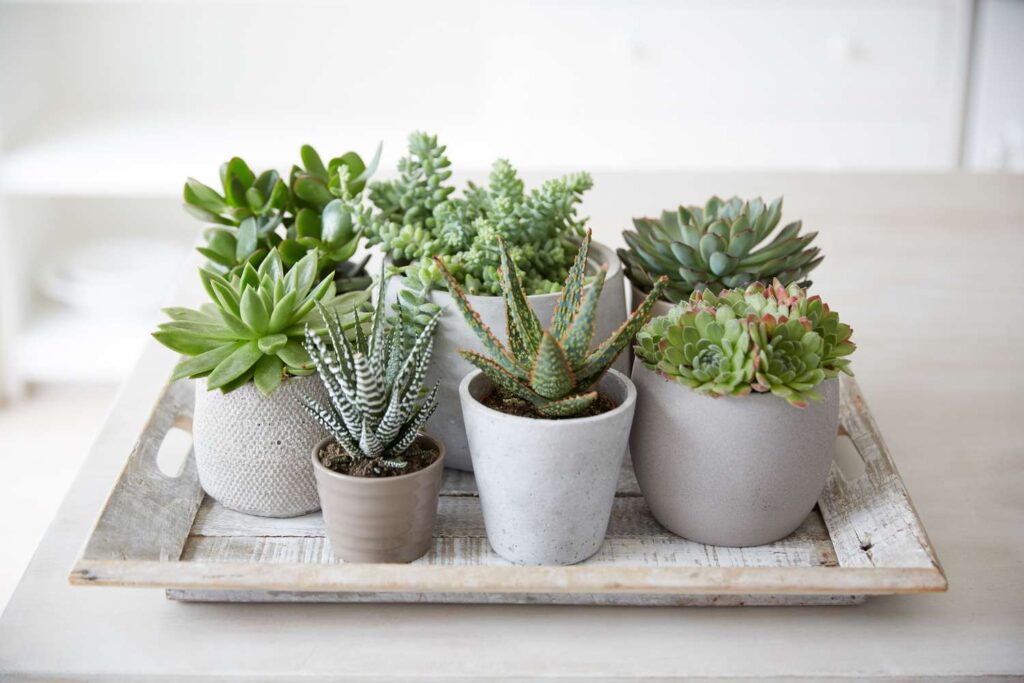
As a homeowner, you’re probably looking for ways to add some greenery to your space without breaking the bank or requiring too much maintenance. Succulents are an excellent choice, as they’re low-maintenance, stylish, and can thrive in even the most challenging environments.
What Are Succulents?
Succulents, also known as “plant succulents,” are a type of plant that’s adapted to store water in its leaves, stems, or roots. This unique ability allows them to survive in areas with limited rainfall or intense sunlight. Some popular types of succulents include cacti, echeveria, and aloes.
Benefits of Having Succulents at Home
Not only are succulents visually appealing, but they also offer several benefits for your health and well-being:
- Improved air quality: Succulents can help purify the air by removing toxins and pollutants.
- Stress relief: Caring for a succulent can be a calming and meditative experience.
- Low maintenance: Succulents are perfect for busy people or those new to plant parenthood.
Choosing the Right Succulent for Your Home
When selecting a succulent, consider the following factors:
- Lighting: If your home receives direct sunlight, choose a succulent that can tolerate high light levels, such as aloe vera or echeveria.
- Temperature: Most succulents prefer temperatures between 65-75°F (18-24°C). Avoid placing them near heating or cooling vents.
- Watering: Succulents need infrequent watering to prevent root rot. Overwatering is the most common cause of death in indoor plants.
Succulent Care 101
To keep your succulent happy and thriving:
- Water sparingly: Check the soil moisture by sticking your finger into the soil up to the first knuckle.
- Provide good air circulation: Keep your succulent at least 6-8 inches away from any walls or surfaces.
- Fertilize occasionally: Feed your succulent with a balanced, water-soluble fertilizer during the growing season (spring-fall).
Popular Succulent Varieties
Here are some popular succulents to consider:
- Aloe Vera: Known for its medicinal properties and low maintenance requirements.
- Echeveria: A beautiful, rosette-shaped succulent with vibrant colors.
- Cacti: Perfect for adding a touch of desert charm to your home.
Succulent Care FAQs
Here are some frequently asked questions about succulents:
- Q: Can I leave my succulent out in the rain?
A: No, succulents can rot if exposed to too much water. - Q: How often should I fertilize my succulent?
A: Fertilize your succulent during the growing season (spring-fall) with a balanced fertilizer. - Q: Can I propagate my succulent?
A: Yes, most succulents can be propagated through leaf or stem cuttings.
Propagation Techniques
Propagating succulents is an easy and rewarding process that allows you to share your favorite plants with friends and family:
- Leaf Propagation: Cut off a healthy leaf from the mother plant and allow it to dry for 1-2 weeks before planting in well-draining soil.
- Stem Propagation: Cut off a stem section from the mother plant, remove lower leaves, and plant in well-draining soil.
- Division: Divide the roots of an overcrowded succulent into smaller sections and replant them in fresh soil.
Common Succulent Problems
Keep an eye out for these common problems that can affect your succulents:
- Overwatering: This is the most common cause of death in indoor plants. Check the soil moisture regularly and water sparingly.
- Pests: Common pests like mealybugs, spider mites, and scale can infest succulents. Inspect your plants regularly and treat any infestations promptly.
- Diseases: Fungal diseases like root rot and leaf spot can affect succulents. Treat fungal infections with fungicides or by repotting the plant in fresh soil.
Conclusion
Succulents are an excellent addition to any home, offering low maintenance requirements and numerous benefits for your health and well-being. By choosing the right succulent for your environment and following proper care instructions, you’ll be enjoying a thriving and beautiful plant in no time. Happy planting!


