
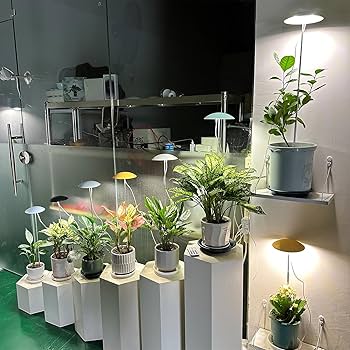
Choosing the Right Indoor Plants Based on the Light in Your Home
As a homeowner, selecting the right indoor plants can be a daunting task, especially when it comes to choosing plants that thrive in low-light conditions. The type of lighting your home receives plays a significant role in determining which plants will flourish and which ones will struggle. In this article, we’ll explore how to choose the perfect indoor plants for your home based on the light available.
Understanding Light Types and Their Effects on Plants
Light is one of the essential elements that plants need to grow and thrive. Different types of lighting can have varying effects on plants, depending on their specific needs and requirements. Understanding the different types of light and how they impact plants will help you make informed decisions when selecting indoor plants.
Finestra towards North: Low-Light Plants
If your home has a window that receives limited natural light, especially in the winter months, it’s essential to choose low-light plants that can tolerate these conditions. Some popular options for plants that thrive in low-light environments include:
- Ferns: These delicate plants come in a variety of species and are perfect for adding a touch of greenery to low-light areas.
- Pothos: This versatile plant is easy to care for and can grow well in a range of lighting conditions, making it an excellent choice for rooms with limited natural light.
- Snake Plant (Mother-in-Law’s Tongue): Known for its air-purifying properties, this plant is also low-maintenance and can tolerate low-light conditions.
Finestra towards South: Bright-Light Plants
On the other hand, if your home has a window that receives direct sunlight, it’s perfect for bright-light plants that can thrive in these conditions. Some popular options for plants that love bright light include:
- Begonias: These beautiful flowers come in a range of colors and are perfect for adding a pop of color to rooms with plenty of natural light.
- Hibiscus: This tropical plant is known for its vibrant flowers and can thrive in bright-light conditions, making it an excellent choice for sunny windowsills.
- Croton: With its stunning foliage and ability to grow well in bright light, this plant is a popular choice for adding some greenery to rooms with plenty of natural light.
Finestra towards East: Medium-Light Plants
If your home has a window that receives gentle sunlight during the morning hours, it’s perfect for medium-light plants that can thrive in these conditions. Some popular options for plants that prefer medium-light include:
- Orchids: These delicate flowers come in a range of species and are perfect for adding a touch of elegance to rooms with moderate natural light.
- Anthurium: With its stunning flowers and ability to grow well in medium-light conditions, this plant is a popular choice for adding some greenery to rooms with plenty of natural light.
Finestra towards West: Medium-High Light Plants
If your home has a window that receives gentle sunlight during the afternoon hours, it’s perfect for plants that prefer medium-high light. Some popular options for plants that love this type of lighting include:
- Ficus Benjamina: This versatile plant is easy to care for and can thrive in conditions with moderate to high natural light.
- Dracaena: With its ability to grow well in a range of lighting conditions, this plant is an excellent choice for adding some greenery to rooms with plenty of natural light.
Choosing Plants for Low-Light Conditions
When it comes to choosing plants for low-light conditions, there are several factors to consider. These include:
- Plant species: Different plant species have varying levels of tolerance to low light.
- Care requirements: Some plants may require more care and attention than others when grown in low-light conditions.
- Pest control: Low-light plants can be more susceptible to pests, so it’s essential to monitor them regularly.
Some popular options for low-light plants include:
- Aglaonema: This plant is known for its beautiful leaves and ability to thrive in low-light conditions.
- Aspidistra: With its stunning foliage and ability to grow well in low-light conditions, this plant is a popular choice for adding some greenery to rooms with limited natural light.
Tips for Choosing the Right Indoor Plants
When choosing indoor plants, there are several factors to consider. These include:
- Lighting: Different plants have varying levels of tolerance to different types of lighting.
- Care requirements: Some plants may require more care and attention than others.
- Pest control: Regular monitoring can help prevent pest infestations.
By considering these factors and choosing the right plants for your home’s unique lighting conditions, you can create a beautiful and thriving indoor garden.
Frequently Asked Questions
Q: What is the best way to choose indoor plants for low-light conditions?
A: When choosing plants for low-light conditions, consider the plant species, care requirements, and pest control needs. Some popular options include Aglaonema, Aspidistra, and Pothos.
Q: How often should I water my indoor plants?
A: The frequency of watering depends on the type of plant, lighting conditions, and temperature. Research specific watering requirements for your plants to ensure they receive the right amount of moisture.
Q: Can I grow flowers indoors?
A: Yes, you can grow flowers indoors! Choose varieties that are suitable for indoor growing conditions and provide them with the right amount of light and care.
Q: What is the best way to fertilize my indoor plants?
A: Use a balanced fertilizer specifically designed for indoor plants. Follow the instructions on the label to ensure your plants receive the right nutrients.
Q: How can I prevent pests from infesting my indoor plants?
A: Regularly inspect your plants for signs of pest infestation and use organic pest control methods whenever possible.
By following these tips and considering the unique needs of your indoor plants, you can create a thriving and beautiful indoor garden.


