
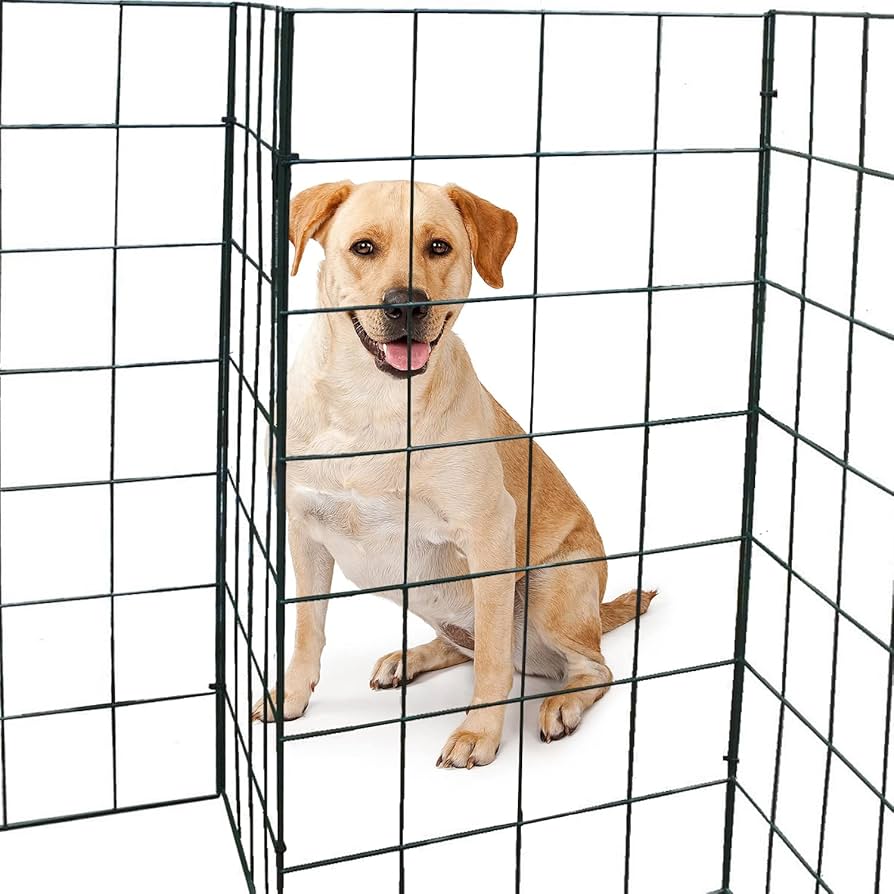
As a dog owner, you want to ensure that your furry friend is safe and comfortable in their environment. One way to achieve this is by building or installing a canine enclosure. In this article, we’ll explore the different types of enclosures, their benefits, and provide guidance on how to build one that meets your dog’s needs.
Understanding Canine Enclosures
A canine enclosure is a designated area where your dog can relax, play, and exercise without the risk of escaping or getting injured. These enclosures can be built indoors or outdoors, depending on your lifestyle and climate. The primary purpose of a canine enclosure is to provide a safe space for your dog to:
- Play and exercise without supervision
- Relax and unwind after a long day
- Get some fresh air and sunlight (if applicable)
- Escape from extreme temperatures or weather conditions
Types of Canine Enclosures
There are two main types of canine enclosures: indoor and outdoor.
Indoor Canine Enclosures
Indoor canine enclosures are ideal for small breeds, puppies, or dogs that spend most of their time indoors. These enclosures can be built using:
- Pannellized systems (modular, collapsible, and adjustable)
- Wire mesh or netting
- Acrylic panels or glass doors
- Fencing materials like wood, metal, or plastic
Indoor canine enclosures offer several benefits, including:
- Protection from extreme temperatures and weather conditions
- Reduced noise pollution and distractions
- Increased sense of security and comfort for your dog
- Convenience for owners with limited outdoor space
Outdoor Canine Enclosures
Outdoor canine enclosures are designed for larger breeds or dogs that require more space to exercise and play. These enclosures can be built using:
- Fencing materials like wood, metal, or plastic
- Pallets or decking for a natural, rustic look
- Wire mesh or netting for added security and visibility
Outdoor canine enclosures offer several benefits, including:
- Increased exercise opportunities for your dog
- Opportunities for socialization with other dogs and people
- Natural light and fresh air (if applicable)
- Aesthetically pleasing outdoor spaces that complement your home’s design
Designing a Canine Enclosure
When designing a canine enclosure, consider the following factors:
- Size: Ensure the enclosure is large enough to accommodate your dog’s needs, taking into account their breed, age, and activity level.
- Material: Choose materials that are durable, safe, and easy to clean.
- Ventilation: Provide adequate ventilation to prevent overheating and moisture buildup.
- Sun protection: Consider shading options, such as canopies or awnings, to protect your dog from excessive sunlight.
- Escape prevention: Ensure the enclosure is secure and escape-proof to prevent accidents or injuries.
Building a Canine Enclosure: A DIY Guide
While you can purchase pre-made canine enclosures, building one yourself can be a fun and rewarding project. Here are some tips to get you started:
- Assess your space: Evaluate your yard or indoor area to determine the best location for your enclosure.
- Choose materials: Select durable, safe, and easy-to-clean materials that suit your design and budget.
- Measure carefully: Ensure accurate measurements to ensure a proper fit and secure installation.
- Follow local regulations: Check with your local authorities for any regulations or restrictions on building enclosures in your area.
Additional Tips and Considerations
Before you start building your canine enclosure, consider the following additional tips and considerations:
- Insulation: Ensure that your enclosure is well-insulated to maintain a comfortable temperature for your dog.
- Electrical safety: If you plan to install any electrical components, such as lighting or heating systems, ensure they are safe and secure.
- Shelving and storage: Consider adding shelving and storage options to keep toys, treats, and other supplies within easy reach.
- Dog-proofing: Take steps to dog-proof your enclosure by removing any hazardous materials or objects that could harm your dog.
Recinto per Cani: A Guide to Building a Safe and Comfortable Space
In this article, we explored the concept of canine enclosures, their benefits, and provided guidance on how to build one that meets your dog’s needs. Whether you’re looking for an indoor or outdoor enclosure, our tips and recommendations will help you create a safe and comfortable space for your furry friend.
Frequently Asked Questions
- Q: How big should my canine enclosure be?
A: The size of the enclosure depends on your dog’s breed, age, and activity level. - Q: What materials are best for building a canine enclosure?
A: Durable, safe, and easy-to-clean materials like wood, metal, or plastic are recommended. - Q: Can I build an outdoor canine enclosure in any climate?
A: No, extreme temperatures or weather conditions should be considered when designing your enclosure. -
Q: How do I ensure my dog’s safety while they’re in the enclosure?
A: Ensure the enclosure is secure and escape-proof, and provide adequate ventilation and shading options. -
Q: Can I use a pre-made canine enclosure instead of building one myself?
A: Yes, purchasing a pre-made enclosure can be a convenient option, especially if you don’t have experience with DIY projects. - Q: What are the benefits of using a pannellized system for my canine enclosure?
A: Pannellized systems offer flexibility, adjustability, and ease of installation. -
Q: How often should I clean my canine enclosure?
A: Regular cleaning is essential to maintain your dog’s health and safety. -
Q: Can I use a recinto per cani as an exercise area for my dog?
A: Yes, a canine enclosure can be used as a designated exercise area for your dog, but ensure it provides adequate space and stimulation.
By following our guide, you’ll be well on your way to creating a safe and comfortable space for your furry friend. Remember to prioritize your dog’s needs and safety when designing their enclosure, and don’t hesitate to reach out if you have any questions or concerns!
Conclusion
Building a canine enclosure can be a rewarding project that provides a safe and comfortable space for your dog. By considering the different types of enclosures, designing one that meets your dog’s needs, and following our DIY guide, you’ll be able to create a space that promotes your dog’s physical and mental well-being. Whether you’re building an indoor or outdoor enclosure, remember to prioritize your dog’s safety and comfort above all else.


