
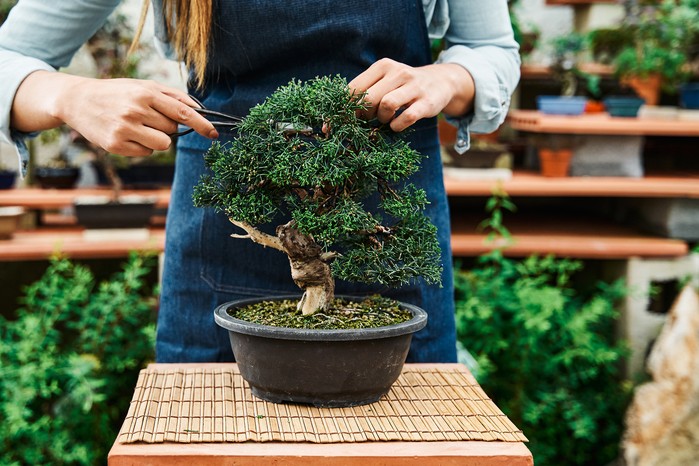
Choosing the Right Bonsai Tree for Indoor or Outdoor Growing
When it comes to choosing a bonsai tree, many people tend to focus on their personal preferences rather than considering the specific needs of the plant. However, selecting the right bonsai tree is crucial for its health and well-being.
Understanding Bonsai Trees
Bonsai trees are miniature trees that grow in specialized pots with reduced depth to limit the development of the root system. Choosing a bonsai tree that suits your care routine and environment is essential for its longevity.
Consulting with Experts
When selecting a bonsai tree, it’s always best to consult with experienced vivaists who can provide guidance on choosing the right species based on your specific needs. They can help you select a bonsai tree that thrives in your care routine.
Choosing the Right Bonsai Tree Species
If you’re new to growing bonsai trees, consider starting with species like the juniper or ficus, which are relatively easy to care for. Other popular options include serissa and gardenia. The choice of species also depends on your budget, as some bonsai trees can be quite expensive.
Best Bonsai Trees for Indoor Growing
For indoor growing, choose bonsai trees that don’t require direct sunlight and can tolerate dry conditions for most of the year. Some popular options include:
- Ficus Retusa: Known for its dark green foliage, this tree requires regular watering and pruning to maintain shape.
- Serissa Foetida or Japonica variegata: This tree is a favorite among bonsai enthusiasts due to its unique appearance and fragrant flowers. Pruning and potting are essential for maintaining its health.
- Camellia: A popular choice for indoor growing, camellias require regular watering and fertilization to thrive.
- Gardenia: With its beautiful white blooms, gardenias make a lovely addition to any indoor space. They prefer well-draining soil and moderate watering.
Best Bonsai Trees for Outdoor Growing
For outdoor growing, choose species that can tolerate cooler temperatures and some level of dryness. Popular options include:
- Azalea: These trees offer vibrant blooms in the spring and can thrive in a variety of conditions.
- Acer palmatum: A popular choice for its beautiful fall colors, this tree prefers well-draining soil and moderate watering.
- Cedrus: With its towering presence, cedars can add a touch of elegance to any outdoor space. They prefer full sun and regular watering.
Tips for Caring for Bonsai Trees
Regardless of whether you’re growing your bonsai tree indoors or outdoors, proper care is essential for its health and longevity. Here are some tips to keep in mind:
- Watering: Over-watering is a common mistake when caring for bonsai trees. Check the soil moisture regularly and water only when necessary.
- Pruning: Regular pruning is essential for maintaining the shape and health of your bonsai tree.
- Renewal: Depending on the species, renvasing can be done every 2-5 years to maintain optimal growth.
Frequently Asked Questions
- What is the best way to care for a new bonsai tree?
- Start by providing adequate light and water, then gradually introduce pruning and fertilization.
- Can I grow a bonsai tree indoors?
- Yes, many species can thrive in indoor conditions, but choose those that don’t require direct sunlight.
- How often should I renvase my bonsai tree?
- The frequency of renvasing depends on the species and growth rate, typically every 2-5 years.
- What is the best way to prune a bonsai tree?
- Prune with clean tools and cut just above a node for optimal healing and shape maintenance.
- Can I grow multiple bonsai trees together?
- Yes, but ensure they have sufficient space and proper care to prevent competition and disease.
By following these tips and selecting the right species, you can create a thriving bonsai tree that brings joy and serenity to your life.
Understanding Bonsai Tree Care
Bonsai tree care requires attention to detail and regular maintenance. Here are some key aspects to consider:
- Lighting: Most bonsai trees prefer bright, indirect light. Direct sunlight can cause scorching or discoloration.
- Watering: Over-watering is a common mistake when caring for bonsai trees. Check the soil moisture regularly and water only when necessary.
- Humidity: Many species prefer high humidity, especially during hot weather.
- Temperature: Avoid extreme temperatures, which can cause stress to the tree.
Choosing the Right Bonsai Tree Species
When selecting a bonsai tree, consider the following factors:
- Hardiness zone: Choose a species that thrives in your local hardiness zone.
- Climate: Consider the climate and temperature fluctuations in your area.
- Maintenance: Select a species that is easy to care for and maintain.
Common Bonsai Tree Problems
Despite proper care, bonsai trees can still encounter problems. Here are some common issues to watch out for:
- Pests: Check for pests like spider mites, mealybugs, or aphids.
- Diseases: Regularly inspect your tree for signs of disease, such as fungal growth or leaf discoloration.
- Root bound: If the roots become constricted, it’s time to renvasing.
Renovating Your Bonsai Tree
Renovating your bonsai tree can be a rewarding experience. Here are some tips:
- Renovation frequency: Typically every 2-5 years, depending on the species and growth rate.
- Soil selection: Choose a well-draining potting mix specifically designed for bonsai trees.
- Pruning techniques: Use clean tools and prune with precision to maintain shape and health.
Growing Bonsai Trees Indoors
Bonsai trees can thrive indoors, provided you provide the right conditions. Here are some tips:
- Lighting: Choose a location with bright, indirect light.
- Watering: Water sparingly, as indoor environments tend to be dry.
- Temperature: Maintain a consistent temperature between 65-75°F (18-24°C).
Growing Bonsai Trees Outdoors
Bonsai trees can also grow outdoors, provided you provide the right conditions. Here are some tips:
- Sunlight: Choose a location with full sun to partial shade.
- Watering: Water regularly, taking into account the soil moisture and climate.
- Temperature: Maintain a consistent temperature between 40-80°F (4-27°C).
Conclusion
Choosing the right bonsai tree for indoor or outdoor growing requires careful consideration of factors such as lighting, watering, humidity, and temperature. By selecting the right species and following proper care techniques, you can create a thriving bonsai tree that brings joy and serenity to your life.
Tips for Growing Bonsai Trees in Small Spaces
Growing bonsai trees in small spaces can be challenging, but there are ways to make it work. Here are some tips:
- Container selection: Choose a container with good drainage and sufficient space for the tree’s roots.
- Pruning techniques: Use pruning techniques that promote compact growth and shape maintenance.
- Lighting: Provide bright, indirect light to ensure proper photosynthesis.
Growing Bonsai Trees in Large Spaces
Growing bonsai trees in large spaces can be a great way to create a serene environment. Here are some tips:
- Container selection: Choose a container that is proportionate to the tree’s size and growth rate.
- Pruning techniques: Use pruning techniques that promote full growth and shape maintenance.
- Lighting: Provide bright, direct light to ensure proper photosynthesis.
Conclusion
Growing bonsai trees can be a rewarding experience, providing a serene environment and a touch of elegance. By choosing the right species and following proper care techniques, you can create a thriving bonsai tree that brings joy and serenity to your life.
Tips for Growing Bonsai Trees in Different Climates
Growing bonsai trees in different climates requires careful consideration of factors such as temperature, humidity, and sunlight. Here are some tips:
- Temperature: Choose species that thrive in the local hardiness zone.
- Humidity: Provide high humidity during hot weather to prevent stress.
- Sunlight: Choose a location with bright, indirect light to ensure proper photosynthesis.
Growing Bonsai Trees in Cold Climates
Growing bonsai trees in cold climates requires careful consideration of factors such as temperature and protection from harsh winds. Here are some tips:
- Temperature: Choose species that thrive in the local hardiness zone.
- Protection: Provide protection from harsh winds and frost to prevent damage.
Growing Bonsai Trees in Hot Climates
Growing bonsai trees in hot climates requires careful consideration of factors such as temperature, humidity, and sunlight. Here are some tips:
- Temperature: Choose species that thrive in the local hardiness zone.
- Humidity: Provide high humidity to prevent stress.
- Sunlight: Choose a location with bright, indirect light to ensure proper photosynthesis.
Conclusion
Growing bonsai trees can be a rewarding experience, providing a serene environment and a touch of elegance. By choosing the right species and following proper care techniques, you can create a thriving bonsai tree that brings joy and serenity to your life.
Understanding Bonsai Tree Health
Bonsai tree health is crucial for its longevity and beauty. Here are some signs of good health:
- Vibrant colors: A healthy bonsai tree will have vibrant colors and lush foliage.
- Full growth: A healthy bonsai tree should have full growth, with no signs of decline or stagnation.
- Strong roots: A healthy bonsai tree should have strong roots that support its growth.
Common Bonsai Tree Health Issues
Despite proper care, bonsai trees can still encounter health issues. Here are some common problems to watch out for:
- Pests: Check for pests like spider mites, mealybugs, or aphids.
- Diseases: Regularly inspect your tree for signs of disease, such as fungal growth or leaf discoloration.
Renovating Your Bonsai Tree
Renovating your bonsai tree can be a rewarding experience. Here are some tips:
- Renovation frequency: Typically every 2-5 years, depending on the species and growth rate.
- Soil selection: Choose a well-draining potting mix specifically designed for bonsai trees.
- Pruning techniques: Use clean tools and prune with precision to maintain shape and health.
Conclusion
Understanding bonsai tree health is crucial for its longevity and beauty. By recognizing signs of good health and addressing common health issues, you can create a thriving bonsai tree that brings joy and serenity to your life.
Growing Bonsai Trees in Different Seasons
Growing bonsai trees in different seasons requires careful consideration of factors such as temperature, humidity, and sunlight. Here are some tips:
- Spring: Choose species that thrive in the local hardiness zone during spring.
- Summer: Provide high humidity to prevent stress during hot weather.
- Autumn: Choose a location with bright, indirect light to ensure proper photosynthesis.
- Winter: Provide protection from harsh winds and frost to prevent damage.
Growing Bonsai Trees in Different Weather Conditions
Growing bonsai trees in different weather conditions requires careful consideration of factors such as temperature, humidity, and sunlight. Here are some tips:
- Rainy weather: Choose a location with bright, indirect light to ensure proper photosynthesis.
- Wind: Provide protection from harsh winds to prevent damage.
- Snow: Choose species that thrive in the local hardiness zone during winter.
Conclusion
Growing bonsai trees can be a rewarding experience, providing a serene environment and a touch of elegance. By choosing the right species and following proper care techniques, you can create a thriving bonsai tree that brings joy and serenity to your life.


