
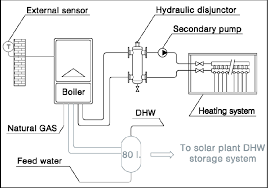
As we navigate the complexities of modern living, there’s a growing trend towards self-governance in our homes. One area where this is particularly evident is in temperature control – specifically, autonomous heating systems. In this article, we’ll delve into the world of self-controlled temperature management and explore how it differs from traditional central heating.
The Basics of Temperature Control
With energy-efficient systems, each condominium resident can now manage their own heating like they would with a self-contained system. These devices enable you to allocate heat costs based on individual unit consumption, much like a self-contained system. Although the boiler is shared, the management becomes autonomous. All that’s required is installing the necessary temperature control apparatus throughout the building, which measures actual heat usage in each apartment.
Once these devices are installed and set up, residents pay their heating bills according to a predetermined rate established by the condominium association (typically 20-50% of total expenses). The remaining amount is then calculated based on actual consumption. This approach enables consumers to conserve energy and reduce costs even more effectively than traditional self-contained systems.
A Brief History of Autonomous Heating
The autonomous heating system gained popularity thanks to Italy’s Law 10/91, which made it possible for condominiums to transform without requiring unanimous approval from all residents. Prior to this law, each resident had to negotiate with their neighbors regarding temperature settings, often leading to disagreements about ideal temperatures.
With autonomous systems in place, residents can now manage their own heating needs and schedule. This feature offers significant cost savings, as well as increased convenience and independence. However, it’s essential to consider the potential drawbacks of this system before making a decision.
The Drawbacks of Autonomous Heating
One major concern is that these systems are heavily reliant on a single fuel source – typically natural gas. This creates problems for homeowners who wish to switch fuels or explore alternative energy sources in the future. Additionally, maintenance costs can be prohibitively expensive since there’s only one boiler serving everyone.
Another significant disadvantage is lower efficiency levels compared to central heating systems. As a result, more fuel is consumed overall with autonomous heating.
Advantages of Autonomous Heating
Despite its drawbacks, autonomous heating offers several advantages that make it an attractive option for many homeowners. These include:
- Increased Energy Efficiency: By allocating heat costs based on individual consumption rates, residents can optimize their energy usage and reduce waste.
- Improved Comfort: With the ability to manage their own heating needs, residents can ensure that their homes are at a comfortable temperature, regardless of external factors like weather or time of day.
- Cost Savings: Autonomous heating systems can lead to significant cost savings for homeowners, as they only pay for the heat they consume and don’t have to contribute to shared heating costs.
- Flexibility: With autonomous systems, residents can adjust their temperature settings according to their schedule and preferences, without needing to interact with others.
Making the Switch
Converting from traditional central heating to an autonomous system is a feasible and cost-effective option. The costs vary depending on the existing infrastructure but are generally not excessive. For instance, installing self-controlled temperature management in a 20-unit condominium might require around $1500-$1800. This includes adjustments to the boiler and testing.
Using Valves with Thermometers
Valves with thermometers represent one of the most basic forms of temperature control systems for managing heat distribution. These devices allow you to regulate heating levels based on individual apartment or room conditions, which in turn enables more efficient heat use.
To install these valves, simply replace your existing manual thermostats and let them automatically adjust heating levels according to setpoints. This process is both straightforward and cost-effective – with prices ranging from $30 per valve for newer systems to around $60 for older models.
Thermostat Settings
When it comes to setting thermostat temperatures, there are several options available:
- Manual Adjustment: Residents can manually adjust the temperature settings on their thermostat using a simple dial or button.
- Automatic Adjustment: Some autonomous heating systems come equipped with automatic temperature adjustment features that allow residents to schedule temperature changes based on external factors like weather or time of day.
Frequently Asked Questions
- What are the benefits of self-governance in temperature control?
Self-governance in temperature control offers homeowners more independence, convenience, and energy savings compared to traditional central heating systems. - How does autonomous heating work?
Autonomous heating systems allocate heat costs based on individual consumption rates and allow each resident to manage their own heating levels without needing to interact with others. - What are the advantages of using thermometers in temperature control systems?
Thermometers help optimize heating usage by adjusting it according to specific room conditions, which can lead to increased efficiency and cost savings. - Are autonomous heating systems more environmentally friendly than central heating systems?
The environmental impact depends on factors such as the type of fuel used for heating and individual energy consumption patterns. - How often should I perform maintenance tasks on my self-controlled temperature management system?
Regular inspections (every 6 months) are necessary to ensure that your autonomous heating system operates efficiently and safely, while avoiding any costly repairs or replacement needs. - What is the most significant disadvantage of autonomous heating systems?
One major drawback is their high dependence on a single fuel source – usually natural gas. This can limit future flexibility for homeowners looking to switch fuels or explore alternative energy options. - Can I still switch between different types of heat sources with an autonomous system?
While some autonomous heating systems offer more flexibility than others, the specific capabilities of your system will depend on its design and configuration. - How can I balance lower efficiency levels with cost savings from using an autonomous heating system?
By adopting more energy-efficient practices throughout your home, you can minimize these trade-offs and maximize overall comfort while saving money on utility bills.
In conclusion, autonomous heating systems offer a unique blend of convenience, independence, and energy savings that make them an attractive option for many homeowners. While there are potential drawbacks to consider, the benefits of self-governance in temperature control make it a worthwhile investment for those looking to optimize their energy usage and reduce costs.


