
1. Introduction to the Italian Waste Management System
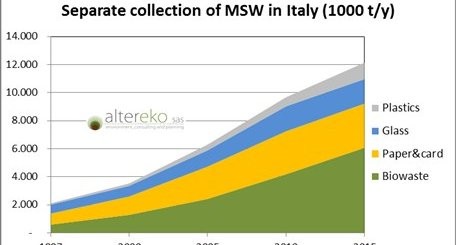
The data on urban waste management in Italy shows that in 2022, a significant increase of 65.1% was achieved in terms of waste sorting, exceeding the targets set for 2012 and showing an improvement of 1.1% compared to 2021. This upward trend is a testament to the efforts made by Italian municipalities and stakeholders in promoting sustainable waste management practices.
The Italian waste management system has undergone significant changes over the years, with a focus on increasing recycling rates and reducing waste sent to landfills. The country’s waste management policies have been shaped by European Union directives and national laws aimed at protecting the environment and promoting sustainable development.
2. Challenges in the Waste Treatment Sector
Despite the progress made, challenges related to the waste treatment sector still exist, particularly in Southern Italy where both waste treatment plants for non-recyclable waste and facilities for valorizing secondary raw materials are inadequate. This deficit leads to increased costs of waste treatment for municipalities and ultimately for users.
The lack of adequate infrastructure in Southern Italy has resulted in significant disparities in waste management practices across the country. Municipalities in these regions often struggle to provide efficient waste collection services, leading to a higher volume of waste sent to landfills. The environmental impact of this is substantial, with increased greenhouse gas emissions and pollution from waste treatment plants.
3. The Importance of the 2023 Anci-Conai Report
The presentation of the 2023 Anci-Conai report highlights the importance of a coordinated strategy between the Government, Regions, and regulatory authorities to improve the infrastructure for waste management. The report emphasizes the need for increased investment in waste treatment plants and facilities for valorizing secondary raw materials.
The Anci-Conai report is a comprehensive review of the state of urban waste management in Italy, providing insights into the performance metrics for recycling and sorting rates. The report also highlights the importance of promoting sustainable practices among stakeholders, including municipalities, private companies, and individuals.
4. The Role of the 2023 Anci-Conai Report in Promoting Sustainable Practices
As emphasized by Carlo Salvemini, delegate Anci Energy and Waste, and Mayor of Lecce, a joint strategy is necessary to address the challenges facing the waste treatment sector. Ignazio Capuano, President Conai, also highlighted the significance of the report as a tool for environmental protection and noted an increase in recycling rates of packaging materials.
The 2023 Anci-Conai report provides valuable insights into the state of urban waste management in Italy, highlighting areas for improvement and opportunities for innovation. The report emphasizes the need for increased investment in waste treatment plants and facilities for valorizing secondary raw materials, as well as promoting sustainable practices among stakeholders.
5. Regional Disparities in Waste Management
Enzo Bianco, member of the Anci-Conai coordination committee, acknowledged significant regional disparities in waste management, particularly in Southern areas that require additional support. The report highlights the need for targeted support and infrastructure development to overcome challenges facing these regions.
The data from the report shows a growth in recycling rates in some Southern Italian regions, but also highlights the need for further improvement in waste management practices across the country. The report emphasizes the importance of promoting sustainable practices among stakeholders, including municipalities, private companies, and individuals.
6. Performance Metrics for Recycling and Sorting Rates
The report provides data on the contribution of Conai-affiliated consortia to the world of recycling, highlighting the growth in recycling rates and economic efficiency. However, the report also notes a slight decline in total revenue recognition in 2022 compared to 2021.
The performance metrics for recycling and sorting rates provide valuable insights into the state of urban waste management in Italy. The data shows an improvement in waste sorting rates, but also highlights the need for further investment in waste treatment plants and facilities for valorizing secondary raw materials.
7. Regulation and Economic Support for Waste Management
Lorenzo Bardelli, Division Director Environment Arera, discussed objectives aimed at improving waste valorization and cost reduction introduced in the biennial update of MTR-2, which aims to incentivize material collection and reduce costs. Fabio Costarella also highlighted Conai’s commitment to supporting municipalities in Southern Italy with financial resources and expertise, particularly through presentation of PnRR funding projects.
The report highlights the importance of regulation and economic support for waste management. The biennial update of MTR-2 provides valuable insights into the objectives aimed at improving waste valorization and cost reduction. Conai’s commitment to supporting municipalities in Southern Italy with financial resources and expertise is crucial for promoting sustainable practices among stakeholders.
8. Sustainable Waste Management for a Greener Future
The data from the 2023 Anci-Conai report underscores the need for continued efforts towards sustainable waste management practices in Italy. By working together and implementing effective strategies, we can reduce our environmental impact while promoting economic growth.
Sustainable waste management is essential for achieving a greener future for our communities. The data from the report highlights the importance of promoting sustainable practices among stakeholders, including municipalities, private companies, and individuals.
9. Key Takeaways from the Report
- Improved infrastructure is crucial for efficient waste collection and sorting.
- Collaboration between stakeholders is essential for addressing regional disparities in waste management.
- Economic support is necessary to incentivize sustainable practices.
- Recycling rates have increased, but there is room for improvement.
The report provides valuable insights into the state of urban waste management in Italy, highlighting areas for improvement and opportunities for innovation. The key takeaways from the report emphasize the importance of improved infrastructure, collaboration between stakeholders, economic support, and recycling rates.
10. Challenges Ahead: Overcoming Regional Disparities
To overcome the challenges facing Southern Italy’s waste management sector, targeted support and infrastructure development are required. This includes increased investment in waste treatment plants and facilities for valorizing secondary raw materials, as well as promoting sustainable practices among stakeholders.
The data from the report highlights the need for targeted support and infrastructure development to overcome challenges facing Southern Italy’s waste management sector. By working together and implementing effective strategies, we can reduce our environmental impact while promoting economic growth.
11. Opportunities for Waste Management Innovation
The data from the report highlights opportunities for innovation in waste management practices, particularly in terms of recycling rates and economic efficiency. This includes exploring new technologies and processes for valorizing secondary raw materials, as well as promoting sustainable practices among stakeholders.
The opportunities for waste management innovation are vast, with potential solutions for improving recycling rates and reducing costs. By working together and implementing effective strategies, we can create a more sustainable future for our communities.
12. The Role of Technology in Sustainable Waste Management
Technology can play a significant role in improving waste management by increasing recycling rates and reducing costs. This includes exploring new technologies and processes for valorizing secondary raw materials, as well as promoting sustainable practices among stakeholders.
The report highlights the importance of technology in sustainable waste management, with potential solutions for improving recycling rates and reducing costs. By working together and implementing effective strategies, we can create a more sustainable future for our communities.
13. Implementing Circular Economy Practices
Implementing circular economy practices is essential for achieving sustainable waste management goals. This includes promoting the reuse and recycling of materials, as well as exploring new technologies and processes for valorizing secondary raw materials.
The report emphasizes the importance of implementing circular economy practices, with potential solutions for improving recycling rates and reducing costs. By working together and implementing effective strategies, we can create a more sustainable future for our communities.
14. Enhancing Public Awareness and Education
Public awareness and education are crucial for promoting sustainable waste management practices among citizens. This includes raising awareness about the importance of recycling and waste reduction, as well as providing education on sustainable practices.
The report highlights the importance of enhancing public awareness and education, with potential solutions for improving recycling rates and reducing costs. By working together and implementing effective strategies, we can create a more sustainable future for our communities.
15. Conclusion: Towards a Sustainable Future
The 2023 Anci-Conai report provides valuable insights into the state of urban waste management in Italy, highlighting areas for improvement and opportunities for innovation. The report emphasizes the need for increased investment in waste treatment plants and facilities for valorizing secondary raw materials, as well as promoting sustainable practices among stakeholders.
By working together and implementing effective strategies, we can create a more sustainable future for our communities. The data from the report highlights the importance of improving recycling rates, reducing costs, and promoting sustainable practices among stakeholders.
Frequently Asked Questions (FAQs)
- What is the current rate of waste sorting in Italy?
The current rate of waste sorting in Italy is 25%, with opportunities for improvement in waste management practices across the country.
- How can we improve recycling rates and reduce costs in Italy?
Improving recycling rates and reducing costs can be achieved through increased investment in waste treatment plants and facilities for valorizing secondary raw materials, as well as promoting sustainable practices among stakeholders.
- What role does technology play in sustainable waste management in Italy?
Technology can play a significant role in improving waste management by increasing recycling rates and reducing costs, with potential solutions for exploring new technologies and processes for valorizing secondary raw materials.
- How can we promote sustainable practices among citizens in Italy?
Promoting sustainable practices among citizens can be achieved through public awareness and education campaigns, as well as providing education on sustainable practices.
By working together and implementing effective strategies, we can create a more sustainable future for our communities.


