
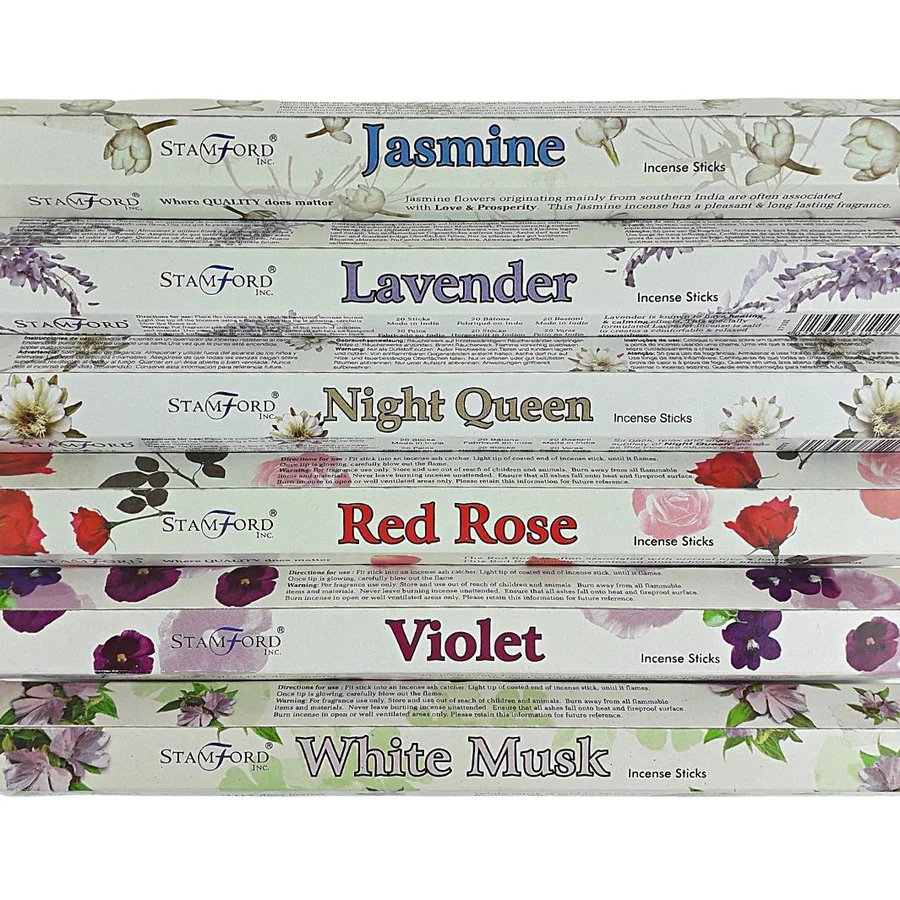
As you wander through a bustling market or browse online for artisanal products, it’s not uncommon to come across incense sticks that seem too good to be true. However, many of these “incense sticks” might be made from lower-quality materials, laden with artificial fragrances, or even mass-produced in China. In this article, we’ll delve into the world of incense sticks, exploring their history, composition, and usage. We’ll also discuss what sets high-quality incense sticks apart from those that are often misleading.
A Brief History of Incense Sticks
In India, incense sticks have been a staple for centuries. Traditionally, these sticks were made by hand using natural materials such as bamboo, resins, and aromatic plants like sandalwood and patchouli. The process involved carefully selecting the finest ingredients, blending them with essential oils, and then shaping the mixture into small sticks.
Today, many incense stick manufacturers still adhere to this traditional method. However, some have opted for shortcuts, introducing synthetic fragrances and preservatives to increase production efficiency. This shift has led to a decline in quality, making it increasingly difficult to distinguish genuine incense sticks from those made with subpar materials.
What are Incense Sticks Made Of?
High-quality incense sticks are typically crafted using natural ingredients such as:
- Bamboo or wooden dowels: These serve as the base for the incense stick, providing a sturdy structure.
- Essential oils (e.g., sandalwood, patchouli, and bergamot): These oils are extracted from plants and trees, imparting unique fragrances to the incense sticks.
- Aromatics like leaves, bark, and resins: These natural materials add depth and complexity to the fragrance profile of the incense sticks.
- Natural binding agents like gum arabic: This agent helps hold the ingredients together, ensuring a smooth burning experience.
These ingredients work together to create a unique fragrance profile that is both soothing and invigorating.
The Difference Between Incense Sticks and Incense in Grains
Incense sticks are distinct from incense grains in several ways:
- Composition: Incense sticks are made from a blend of natural materials, while incense grains consist solely of incense resins.
- Usage: Incense sticks are typically burned on a stick or holder, releasing fragrance into the air. Incense grains, on the other hand, require a separate container to burn.
Choosing High-Quality Incense Sticks
When selecting incense sticks, keep the following tips in mind:
- Look for products made from natural ingredients: Ensure that the manufacturer uses only natural materials and avoids synthetic additives.
- Check the manufacturer’s credentials and reputation: Research the company behind the product to ensure they have a good track record of producing high-quality incense sticks.
- Be wary of extremely low prices or deals that seem too good to be true: If the price is significantly lower than similar products on the market, it may indicate poor quality or artificial materials.
- Opt for incense sticks with a pleasant, earthy aroma: High-quality incense sticks should have a rich, natural fragrance that evokes a sense of calm and well-being.
How to Use Incense Sticks
Using incense sticks is an art that requires attention to detail:
- Choose a suitable location: Select a spot away from direct sunlight and heat sources, such as near a window or in a drafty area.
- Prepare the stick: Trim the tip of the incense stick using scissors or clippers to ensure a clean burn.
- Light the stick: Hold the incense stick over a flame, allowing it to burn steadily and evenly.
Frequently Asked Questions
Here are some common questions about incense sticks:
- Q: What is the difference between incense sticks and incense grains?
A: Incense sticks are made from natural materials, while incense grains consist solely of incense resins. - Q: Can I use any type of wood for my incense stick?
A: No, certain types of wood can impart unpleasant flavors or aromas to the incense. Opt for sustainably sourced woods like bamboo or cedar. - Q: How often should I burn my incense sticks?
A: Burn your incense sticks as needed, taking into account the strength of the fragrance and your personal preferences.
Conclusion
Incense sticks have a rich history and offer a unique way to enhance your space with soothing fragrances. By understanding what makes high-quality incense sticks tick, you can enjoy these artisanal products without compromising on their integrity. Remember to choose products made from natural ingredients, and follow proper usage guidelines for optimal results.


