
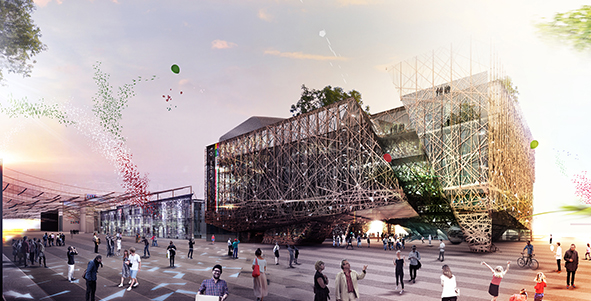
In the lead-up to Expo 2015, a new cycling project may be born that connects the metropolitan areas of Turin and Milan. The proposal involves creating a network of canals in the Piedmontese and Lombard plains, with the goal of linking the two cities through a 5-kilometer canal system.
The idea of redeveloping existing waterways as cycle routes has gained popularity in recent years due to its potential benefits for both local residents and tourists. The proposed Cavour Canals project is an exciting initiative that could not only promote sustainable transportation solutions but also create new opportunities for tourism and economic growth.
The Origins of the Project
To assess the feasibility of this ambitious project, a group of cycling enthusiasts will embark on an advance scouting expedition, covering over 300 kilometers by bicycle. The journey begins on May 30th and culminates in the Expo area in Milan. This initiative is titled “4 Days on Two Wheels – Exploring the Cavour Canal from the Mole to the Duomo” and boasts the support of several local authorities, including the Parks of the Po and Ticino-Lago Maggiore.
The scouting expedition aims to identify potential routes, assess infrastructure requirements, and gather feedback from stakeholders. This research will form the foundation for a comprehensive planning phase, which will involve consultations with experts in engineering, ecology, and local communities.
The Benefits of a Cycle Route
Andrea Rolando, a researcher at the Politecnico di Milano, explains the project’s significance: “We aim to reconnect territories that have become increasingly separated due to high-speed rail development. Just as a large park has its spine in a canal, we’re working towards creating a continuous path that stretches from November 1st, 2015, when Expo will conclude, and aims to leave a lasting legacy for the region.”
A cycle route can bring numerous benefits to local residents and tourists alike. For one, it provides an accessible and environmentally friendly mode of transportation, allowing people to explore the surrounding countryside without relying on cars or high-speed trains.
Additionally, a well-designed cycle route can stimulate economic growth by encouraging tourism and promoting local businesses. Cycling enthusiasts often seek out authentic experiences and unique attractions, which can be leveraged to create new opportunities for entrepreneurs and small business owners in the region.
Beyond Local Benefits
The proposed itinerary not only benefits local residents but also attracts tourists from abroad. Ippolito Ostellino, Director of the Parco del Po, notes: “This cycle route could be integrated into European cycling networks and open up new opportunities for tourism in Italy. While it’s a challenging development to achieve locally, this project represents an important growth driver for small businesses.”
By positioning the Cavour Canals as a world-class cycling destination, local authorities can tap into the growing global market of eco-tourism enthusiasts. This could lead to increased revenue streams from tourism-related industries, such as accommodation providers, restaurants, and local guides.
Furthermore, the project’s focus on sustainable transportation solutions aligns with broader European initiatives aimed at reducing greenhouse gas emissions and promoting environmentally friendly travel. By showcasing a successful example of integrated urban planning and sustainable development, Italy can demonstrate its commitment to these ideals and attract international recognition.
A Smart Region
The Cavour Canals project may also play a key role in the development of a smart region. Cyclists could be guided through the route using GPS apps, potentially paving the way for more sustainable transportation solutions. This concept has been successfully implemented in various cities worldwide, where real-time traffic information and navigation systems help reduce congestion and promote eco-friendly modes of transport.
By integrating technology into the cycling route, local authorities can create a seamless experience that encourages residents to adopt sustainable transportation practices. For example, riders could receive updates on local bike-share programs, access real-time traffic information, or be directed to nearby charging stations for electric vehicles.
Frequently Asked Questions
- What is the purpose of the proposed canals?
The goal of the Cavour Canals project is to connect the metropolitan areas of Turin and Milan through a 5-kilometer canal system. - How will the project benefit local residents?
The project aims to reconnect territories that have become increasingly separated due to high-speed rail development, promoting local economic growth and community engagement. - What is the proposed itinerary for the cycling expedition?
The cycling tour consists of four stages, covering approximately 50-70 kilometers each, with a total distance of over 300 kilometers. - Will the project have environmental benefits?
Yes, the canal system will create natural habitats and improve water quality in the surrounding areas. - How can tourists benefit from this project?
The cycle route offers an alternative way to explore Italy’s scenic countryside and experience local culture, potentially boosting tourism revenue. - What role does the smart region concept play in the project?
The Cavour Canals may serve as a model for sustainable transportation solutions in the region, integrating GPS technology into the cycling route. - When will the project begin?
The project starts on May 30th and concludes on June 2nd. - How will the project be funded?
Although specific funding details are not provided, it’s likely that the project will receive support from local authorities, private donors, and potential investors.
By exploring the Cavour Canals through cycling, residents and tourists alike can experience the beauty of Italy’s countryside while promoting sustainable transportation solutions for a smarter region. As the project progresses, its impact on local communities and tourism revenues will become increasingly evident, demonstrating the potential benefits of this ambitious initiative.
The Future of Cycle Routes
As urban planners continue to explore innovative ways to connect cities and promote sustainable development, cycle routes are likely to play an increasingly important role. The Cavour Canals project serves as a shining example of how visionaries can bring people together through shared experiences, while fostering economic growth and environmental sustainability.
Whether in Italy or elsewhere, the success of this initiative will depend on effective collaboration between local stakeholders, innovative thinking, and a commitment to delivering high-quality results that meet the needs of residents and tourists alike. As the world continues to grapple with pressing challenges related to climate change, urbanization, and social inequality, cycle routes offer an exciting solution for connecting communities and building more livable cities.
Case Studies: Successful Cycle Routes Around the World
In recent years, several cities worldwide have successfully implemented cycle routes that have not only promoted sustainable transportation but also enhanced the local economy. Some notable examples include:
- The Netherlands: The Netherlands has invested heavily in developing its extensive network of bike lanes and cycle paths, which now comprise over 60% of all urban infrastructure.
- Berlin, Germany: Berlin’s popular bike-share system, “Bike Berlin,” offers residents and tourists alike a convenient and affordable way to explore the city on two wheels.
- Barcelona, Spain: The city has implemented several innovative cycling initiatives, including a network of dedicated bike lanes and a comprehensive bike-share program.
These examples demonstrate that well-designed cycle routes can be an effective tool for promoting sustainable development, economic growth, and social cohesion in cities around the world.
Conclusion
The proposed Canals of Cavour project represents a unique opportunity to connect two major Italian cities through a network of scenic cycling routes. By integrating this ambitious initiative with broader European initiatives aimed at reducing greenhouse gas emissions and promoting environmentally friendly travel, Italy can demonstrate its commitment to sustainable development and eco-tourism.
As the world continues to grapple with pressing challenges related to climate change, urbanization, and social inequality, innovative solutions like the Cavour Canals project offer an exciting alternative for connecting communities and building more livable cities.


