
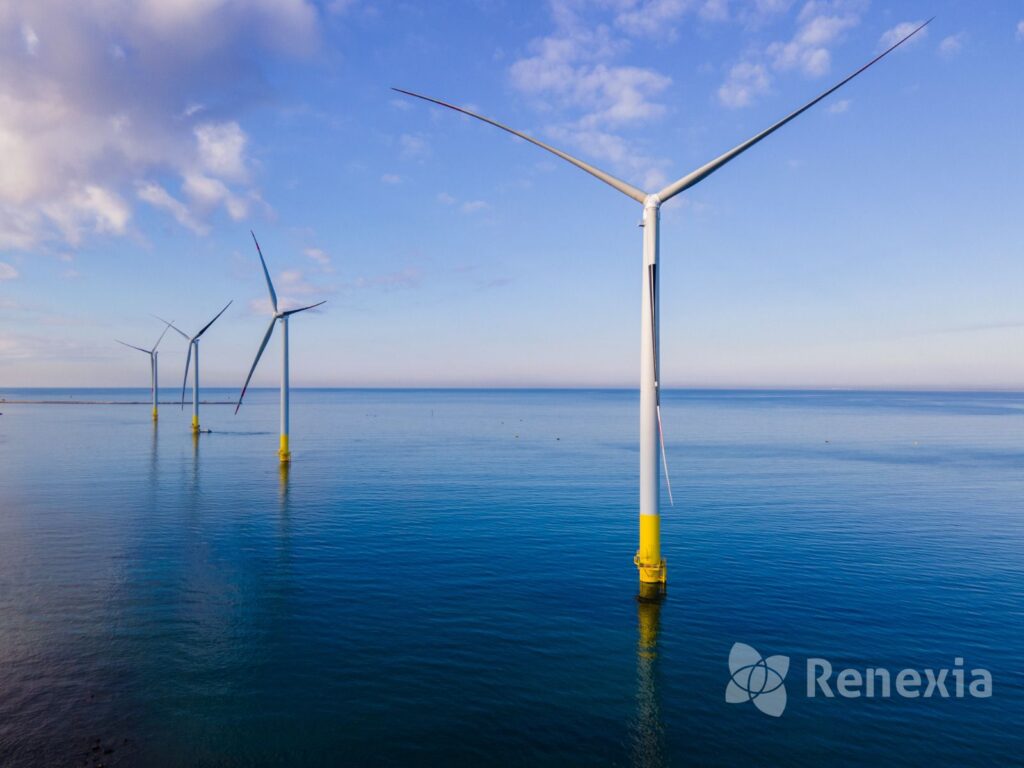
Introduction to Floating Offshore Wind
The Mediterranean Sea is set to become a hotbed for testing floating offshore wind turbines, marking the beginning of a new era in renewable energy production. This project, known as “Inflow,” has its roots in 2009 and aims to harness the power of the wind using galvanized wind turbines suspended beneath the water’s surface.
What is Floating Offshore Wind?
Floating offshore wind technology (FOWT) involves installing wind turbines on floating structures, allowing them to tap into the wind resources in deeper waters. This innovative approach has the potential to unlock vast amounts of clean energy and help reduce our reliance on fossil fuels.
The Inflow Project: A Game-Changer for Renewable Energy
Launched by the European Commission’s Seventh Framework Programme, “Inflow” is a pioneering project that aims to produce 26 MW of electricity in the short term, with ambitions to reach 150 MW by 2018. This ambitious goal demonstrates the potential of FOWT to transform the renewable energy landscape.
The Partners Behind Inflow
Led by the French company Technip, “Inflow” brings together ten partners from across Europe to discuss the possibilities and challenges of FOWT. The project’s site is located off the coast of Marseille, where a team of experts will deploy 13 turbines suspended beneath the surface.
The Benefits of Floating Offshore Wind
FOWT offers several advantages over traditional offshore wind farms, including:
- Increased capacity: By harnessing wind energy in deeper waters, FOWT can unlock vast amounts of renewable power.
- Reduced visual impact: Galvanized turbines can be designed to blend seamlessly into the surrounding environment, minimizing visual impact on coastal communities.
- Improved safety: Floating structures can be equipped with advanced safety features, reducing the risk of accidents and ensuring a safer working environment for maintenance personnel.
The Vertiwind Project: A Proven Track Record
The turbines used in “Inflow” are based on the successful Vertiwind project, which has already demonstrated the feasibility of FOWT technology. By leveraging this proven track record, “Inflow” can accelerate the development of FOWT and bring it to market sooner.
Challenges Ahead: Overcoming Technical Hurdles
While “Inflow” represents a significant breakthrough in renewable energy production, several technical challenges must still be addressed before FOWT can become a viable option for commercial power generation. These include:
- Structural integrity: Ensuring the stability and durability of floating structures to withstand harsh marine conditions.
- Maintenance access: Developing efficient maintenance protocols that minimize downtime and ensure the reliability of FOWT systems.
- Cost reduction: Reducing production costs through economies of scale, innovative design, and optimized materials.
Case Studies: Real-World Examples of Floating Offshore Wind
Several real-world examples demonstrate the potential of FOWT to generate clean energy:
- The WindAssess project: This initiative involves deploying floating wind turbines in the North Sea to assess their performance and identify areas for improvement.
- The Hywind Scotland project: Located off the coast of Scotland, this project harnesses the power of the wind using two floating turbines, each capable of generating 6 MW of electricity.
The development of FOWT requires a comprehensive regulatory framework to ensure its safe and effective deployment. Key considerations include:
- Environmental impact assessments: Conducting thorough environmental assessments to minimize the project’s ecological footprint.
- Marine spatial planning: Integrating FOWT into existing marine spatial plans to avoid conflicts with other uses of the ocean.
Conclusion: The Future of Renewable Energy
Floating offshore wind technology has the potential to revolutionize the renewable energy landscape, offering a cleaner, safer, and more sustainable alternative to fossil fuels. As “Inflow” continues to push the boundaries of FOWT development, we can expect significant advancements in this field, ultimately leading to a brighter, more environmentally friendly future.
Frequently Asked Questions
Q: What is floating offshore wind technology?
A: Floating offshore wind technology (FOWT) involves installing wind turbines on floating structures, allowing them to tap into the wind resources in deeper waters.
Q: What is the goal of the Inflow project?
A: The Inflow project aims to produce 26 MW of electricity in the short term, with ambitions to reach 150 MW by 2018.
Q: Who is behind the Inflow project?
A: Led by the French company Technip, “Inflow” brings together ten partners from across Europe to discuss the possibilities and challenges of FOWT.
Q: What are the benefits of floating offshore wind?
A: FOWT offers several advantages over traditional offshore wind farms, including increased capacity, reduced visual impact, and improved safety.
Q: How does Vertiwind contribute to FOWT development?
A: The turbines used in “Inflow” are based on the successful Vertiwind project, which has already demonstrated the feasibility of FOWT technology.
Q: What technical challenges must be addressed before FOWT can become a viable option for commercial power generation?
A: Several technical hurdles must still be overcome, including structural integrity, maintenance access, and cost reduction.
Q: What is the future of renewable energy looking like?
A: Floating offshore wind technology has the potential to revolutionize the renewable energy landscape, offering a cleaner, safer, and more sustainable alternative to fossil fuels.


