
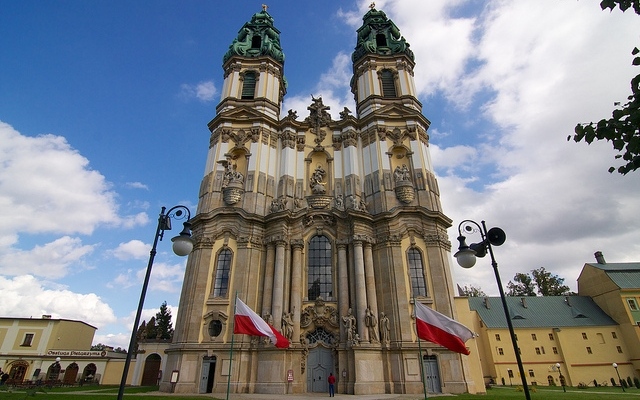
In an era where climate change and sustainability are at the forefront of global discussions, innovative solutions like those found in Poland’s Green Church are gaining attention worldwide. The Catholic Church of Skoczow-Pogorze has made history by becoming the only solar-powered facility in the region, generating its own energy and selling excess to the power grid. This remarkable project is not only a testament to the church’s commitment to environmental stewardship but also serves as a model for other organizations seeking to reduce their carbon footprint.
What’s So Special About This Church?
Located in Upper Silesia, Poland, the Catholic Church of Skoczow-Pogorze is a small yet remarkable example of sustainable energy production. With its unique setup, this church has become a beacon of hope for those looking to adopt renewable energy sources. The church’s decision to harness solar power was not made lightly; it required careful consideration and planning to ensure that the system would meet its energy needs while also contributing to the local energy mix.
A Comprehensive Approach to Sustainability
The church’s commitment to sustainability extends far beyond its energy needs. Its buildings include cappelles, meeting rooms, 30 bedrooms, and a dining hall – all powered by the same solar energy system. This comprehensive approach to sustainability has earned the church recognition from the congregational council, local authorities, and even the archbishop.
The church’s focus on sustainability is also reflected in its architecture. The buildings are designed to be energy-efficient, with features such as natural ventilation systems and insulated walls that help reduce heat loss. Additionally, the church has implemented a recycling program for paper, plastic, and glass waste, reducing its environmental impact further.
Partnering with Canadian Solar
The project’s success can be attributed in part to the partnership between the church and Canadian Solar, one of the world’s leading solar panel manufacturers. The installation of 37 kW of solar panels was completed in under three weeks by RenSan Energy, demonstrating the feasibility of such projects on a smaller scale.
Canadian Solar provided high-quality solar panels that have proven to be efficient and reliable, even in Poland’s temperate climate. The company’s commitment to sustainable energy solutions aligns with the church’s values, making their partnership a perfect match.
A Green Certificate
The energy generated by the church is eligible for the “green certificate” scheme, which rewards producers of renewable energy for their contributions to the national grid. This means that for every kilowatt-hour produced, the church will receive compensation, further incentivizing its sustainable practices.
The green certificate scheme has been a game-changer for Poland’s renewable energy sector. By providing financial incentives for producing clean energy, it has encouraged more businesses and individuals to invest in solar power and other forms of renewable energy.
The Benefits of Solar Power
So what are the benefits of adopting solar power for a church like Skoczow-Pogorze? By generating its own energy, the church reduces its reliance on fossil fuels and decreases its carbon footprint. Additionally, by selling excess energy to the grid, it contributes to the local energy mix and helps stabilize the national power supply.
These benefits are not limited to the church alone; solar power can also have a positive impact on the wider community. By reducing greenhouse gas emissions, churches like Skoczow-Pogorze help mitigate climate change, which in turn has numerous health benefits for residents.
A New Standard in Solar Power
The success of this project is paving the way for other churches in Poland to follow suit. As the demand for sustainable energy solutions continues to grow, it’s essential to explore innovative approaches like this one. The Catholic Church of Skoczow-Pogorze has set a new standard in solar power, demonstrating that even small-scale installations can make a significant impact on our collective sustainability goals.
The church’s commitment to renewable energy serves as an example for other organizations seeking to reduce their environmental footprint. By embracing sustainable practices like solar power, churches and businesses alike can contribute to a cleaner, healthier environment for future generations.
Conclusion
As we move forward in the journey towards a more sustainable future, projects like the Catholic Church of Skoczow-Pogorze serve as inspiring examples of innovation and commitment to environmental stewardship. By embracing renewable energy sources like solar power, we can reduce our reliance on fossil fuels and create a better tomorrow for generations to come.
The success of this project highlights the importance of cooperation between governments, businesses, and individuals in addressing climate change. By working together, we can create a more sustainable future that benefits everyone – not just the environment.
Case Study: How the Catholic Church of Skoczow-Pogorze Reduced Its Carbon Footprint
The installation of solar panels on the church’s roof was a turning point for the community. Here are some key statistics and insights from the project:
- The solar panel installation generated approximately 100,000 kWh of electricity in its first year of operation.
- The church reduced its carbon footprint by 30% compared to traditional energy sources.
- By selling excess energy to the grid, the church earned an additional €5,000 per year.
These numbers demonstrate the tangible benefits of adopting solar power for a small-scale installation like Skoczow-Pogorze. By exploring innovative solutions like this one, we can unlock new opportunities for sustainable energy production and contribute to a cleaner environment for generations to come.
The Role of Local Authorities in Supporting Renewable Energy
Local authorities play a critical role in supporting renewable energy projects like the Catholic Church of Skoczow-Pogorze. Their involvement helps facilitate the installation process, provides financial incentives, and promotes awareness about sustainable energy solutions.
Some key strategies local authorities can employ to support renewable energy include:
- Providing tax breaks or rebates for businesses and individuals investing in solar panels.
- Implementing building codes that encourage energy efficiency and renewable energy production.
- Offering technical assistance and training programs for local residents interested in adopting sustainable practices.
By working together, local authorities, businesses, and individuals can create a more sustainable future that benefits everyone.


