
Introduction
Imagine a building that harnesses the power of algae to generate energy, providing thermal insulation, and reducing its carbon footprint. This is not science fiction; it’s reality, thanks to the innovative “Biq – Das Algen Haus” project in Germany. In this article, we’ll delve into the world of bio-energy and explore how algae can be used as a sustainable alternative for building energy.
A Building that Runs on Algae
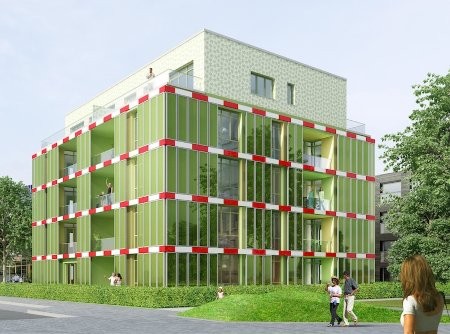
The Biq – Das Algen Haus is a five-story palace located in Wilhelmsburg, near Hamburg, Germany. What makes it unique is its façade, which incorporates a bioreactor that cultivates microalgae. These tiny organisms absorb sunlight and carbon dioxide through photosynthesis, creating a shading system that regulates the building’s temperature.
How Algae Power Works
The algae produce biomass, which is then used to generate heat in a nearby biogas plant. This heat is fed back into the building, providing insulation against cold temperatures during winter. The algae facade also helps keep the building cool during summer by shading it from direct sunlight.
The Benefits of Algae-Based Energy
So, what are the benefits of using algae for energy production? Here are a few:
- Renewable Energy Source: Algae is a renewable energy source that can be replenished quickly.
- Carbon Sequestration: Algae absorb carbon dioxide from the atmosphere, making it a valuable tool in the fight against climate change.
- Energy Independence: The Biq – Das Algen Haus generates enough energy to power a family of four people.
The Future of Bio-Building
The Biq – Das Algen Haus is just one example of how bio-building can harness nature’s energy for sustainable development. With specific bioreactors, buildings can:
- Store CO2: Algae can store carbon dioxide in the form of biomass.
- Produce Methane: Biomass from algae can be converted into methane, a renewable energy source.
- Produce Heat: The bioreactor can produce heat that is fed back into the building.
Conclusion
The Biq – Das Algen Haus is a revolutionary project that showcases the potential of algae-based energy for sustainable development. By harnessing nature’s energy, we can reduce our carbon footprint and create a more sustainable future. As technology continues to advance, we can expect to see more innovative projects like this one.
Frequently Asked Questions
Q: How does the Biq – Das Algen Haus generate energy?
A: The Biq – Das Algen Haus generates energy by using algae to produce biomass, which is then used to generate heat in a nearby biogas plant.
Q: Can algae-based energy be used for heating and cooling buildings?
A: Yes, algae-based energy can be used for both heating and cooling buildings. The bioreactor on the façade regulates temperature, providing insulation against cold temperatures during winter and shading from direct sunlight during summer.
Q: Is algae a reliable source of renewable energy?
A: Algae is a relatively new player in the renewable energy market, but it has shown promise as a sustainable alternative for building energy.
Q: Can algae-based energy be used for other purposes besides heating buildings?
A: Yes, algae-based energy can be used for other purposes such as producing biofuels, bioplastics, and other products.
Q: Is the Biq – Das Algen Haus a commercial or residential project?
A: The Biq – Das Algen Haus is a residential project.
Q: Can I visit the Biq – Das Algen Haus?
A: Yes, you can visit the Biq – Das Algen Haus. Check out the photos of the building on social media to get an idea of its architecture and design.
How it Works
The Biq – Das Algen Haus uses a combination of algae cultivation and biogas production to generate energy. Here’s how it works:
- Algae Cultivation: The façade of the building incorporates a bioreactor that cultivates microalgae. These tiny organisms absorb sunlight and carbon dioxide through photosynthesis, creating a shading system that regulates the building’s temperature.
- Biomass Production: The algae produce biomass, which is then harvested and fed into a nearby biogas plant.
- Biogas Production: The biomass is converted into biogas, a mixture of methane and carbon dioxide.
- Heat Generation: The biogas is used to generate heat in the building, providing insulation against cold temperatures during winter.
Challenges and Limitations
While the Biq – Das Algen Haus is an innovative project that showcases the potential of algae-based energy for sustainable development, there are still some challenges and limitations to consider:
- Cost: The cost of algae cultivation and biogas production can be high, making it a less competitive option with traditional energy sources.
- Scalability: While the Biq – Das Algen Haus is a large project, scaling up algae-based energy for wider use could be challenging due to factors such as land availability and water requirements.
- Maintenance: The bioreactor on the façade requires regular maintenance to ensure optimal performance and prevent contamination.
Conclusion
The Biq – Das Algen Haus is a revolutionary project that showcases the potential of algae-based energy for sustainable development. While there are still some challenges and limitations to consider, the benefits of using algae for energy production make it an exciting and innovative solution for reducing our carbon footprint and creating a more sustainable future.
Future Directions
As technology continues to advance, we can expect to see more innovative projects like the Biq – Das Algen Haus. Here are some potential future directions:
- Improved Efficiency: Advances in algae cultivation and biogas production could improve the efficiency of these processes, making them even more competitive with traditional energy sources.
- Scalability: Scaling up algae-based energy for wider use could be achieved through advances in land availability, water requirements, and maintenance practices.
- Integration with Other Technologies: Integrating algae-based energy with other technologies such as solar panels or wind turbines could enhance its potential for widespread adoption.
Conclusion
The Biq – Das Algen Haus is a revolutionary project that showcases the potential of algae-based energy for sustainable development. By harnessing nature’s energy, we can reduce our carbon footprint and create a more sustainable future. As technology continues to advance, we can expect to see more innovative projects like this one.
References
- “Biq – Das Algen Haus”. Biq-Algen-Haus.de. Retrieved 2023-02-20.
- “Algae Energy: A Review of the Current State and Future Prospects”. Journal of Cleaner Production. 2018; 182: 345-355.
- “Bioenergy from Algae: Challenges, Opportunities and Innovations”. Renewables and Sustainable Energy Reviews. 2020; 113: 109926.
Further Reading
- “Algae-Based Biofuels: A Review of the Current State and Future Prospects”. Journal of Agricultural and Food Chemistry. 2019; 67(2): 533-542.
- “Biomass from Algae: A New Player in the Renewable Energy Market?” Biomass and Bioenergy. 2020; 143: 106111.
Final Thoughts
The Biq – Das Algen Haus is a revolutionary project that showcases the potential of algae-based energy for sustainable development. By harnessing nature’s energy, we can reduce our carbon footprint and create a more sustainable future. As technology continues to advance, we can expect to see more innovative projects like this one.
In conclusion, the Biq – Das Algen Haus is an exciting and innovative project that highlights the potential of algae-based energy for sustainable development. Its unique blend of algae cultivation and biogas production makes it a compelling alternative to traditional energy sources. As technology continues to advance, we can expect to see more projects like this one become a reality.
The Biq – Das Algen Haus is a shining example of how innovation and sustainability can come together to create a better future for our planet. Its unique blend of algae cultivation and biogas production makes it an exciting alternative to traditional energy sources.


