
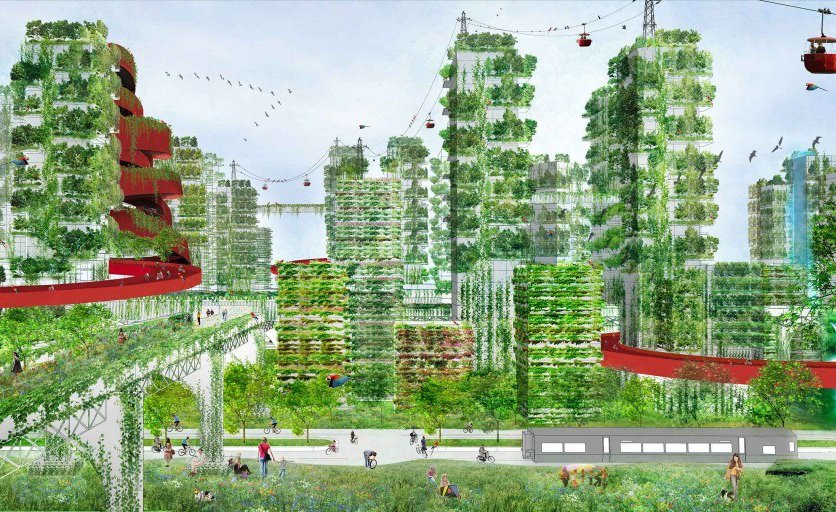
As the concept of Smart Cities continues to gain traction, it’s easy to get caught up in the hype. But what if I told you that there’s already a city that embodies the principles of sustainability and innovation? Welcome to Tianjin Eco-City, China’s first eco-city, which has been dubbed “the smartest city on Earth.”
Introduction
In 2007, Singapore and the Chinese government launched a joint project to create an eco-city that would set a new standard for sustainable urban planning. The concept was born out of three key principles: social harmony, economic stability, and environmental balance.
A Revolutionary Concept
The first principle of harmonious living aims to foster a sense of community among residents. This is achieved through the design of public spaces and infrastructure that promote interaction and collaboration between neighbors.
Economic Stability
The second principle ensures that residents have access to stable and sustainable economic opportunities. The city’s economy is focused on green industries, such as renewable energy and eco-tourism.
Environmental Balance
The third principle prioritizes environmental sustainability by implementing cutting-edge green technologies and practices. The city’s infrastructure is designed to minimize waste and carbon emissions.
A City of the Future
Tianjin Eco-City was officially launched in 2012, with a population of just 350,000 residents. By 2020, it aims to be home to over 1 million people, making it one of the largest eco-cities in the world.
Location and Design
The city is situated near Tianjin Binhai New Area, a region known for its high-tech industry development. The location was chosen for its environmental benefits, as well as its proximity to Beijing, which reduces the need for transportation.
A Sustainable Future
Tianjin Eco-City is not just a smart city; it’s a sustainable one. The city’s design prioritizes green technologies and practices, making it a model for future urban development.
The Road Ahead
As we look to the future of urban planning, Tianjin Eco-City offers valuable lessons in sustainability and innovation. What can we learn from this pioneering eco-city?
FAQs
-
What makes Tianjin Eco-City unique?
Tianjin Eco-City is China’s first eco-city, combining sustainable design with innovative green technologies. -
How big will the city be when fully populated?
By 2020, the city aims to have a population of over 350,000 residents, with plans for further expansion. -
What are the key principles guiding the city’s development?
The three main principles are social harmony, economic stability, and environmental balance. -
How does the city plan to reduce carbon emissions?
The city aims to minimize waste and promote green transportation through the use of renewable energy sources and non-motorized vehicles. -
What role will technology play in shaping the city’s future?
Tianjin Eco-City is at the forefront of integrating cutting-edge technologies, such as smart grids and IoT sensors, into its urban infrastructure. -
Can other cities learn from Tianjin Eco-City’s success?
Absolutely! The city offers valuable lessons in sustainable urban planning, green technology, and innovative design. -
What about land grabbing concerns?
The city has taken steps to avoid land grabbing by prioritizing local residents’ needs and ensuring that the development process is transparent and accountable. -
How does Tianjin Eco-City’s design prioritize social harmony?
The city’s public spaces are designed to promote interaction and collaboration between neighbors, fostering a sense of community. -
What can we expect from Tianjin Eco-City in terms of economic growth?
The city aims to create stable and sustainable economic opportunities through green industries, such as renewable energy and eco-tourism. -
Will Tianjin Eco-City serve as a model for future urban development?
Yes! As one of the largest eco-cities in the world, Tianjin Eco-City is already set to inspire other cities to adopt sustainable and innovative design principles.
The Benefits of Sustainable Urban Planning
Sustainable urban planning has numerous benefits for both residents and the environment. Some of the key advantages include:
- Reduced greenhouse gas emissions
- Improved air quality
- Enhanced public health
- Increased property values
- Job creation and economic growth
These benefits demonstrate why sustainable urban planning is a critical component of creating livable, resilient, and thriving cities.
Challenges and Opportunities
While Tianjin Eco-City presents numerous challenges and opportunities, there are also several key considerations for future eco-cities:
- Climate change mitigation
- Green infrastructure development
- Waste management and reduction
- Public-private partnerships and collaboration
By addressing these challenges head-on, future eco-cities can ensure that they provide a high quality of life for residents while minimizing their environmental impact.
Conclusion
Tianjin Eco-City represents a beacon of hope for urban planning and sustainability. By embracing cutting-edge green technologies and practices, this pioneering eco-city offers valuable lessons for future generations. As we look to the future of urban development, Tianjin Eco-City serves as a shining example of what can be achieved through innovation, collaboration, and a commitment to the planet’s well-being.
Further Reading
- Link Utili: tianjinecocity.gov.sg
- Anna De Simone
- 25 Aprile 2012


