
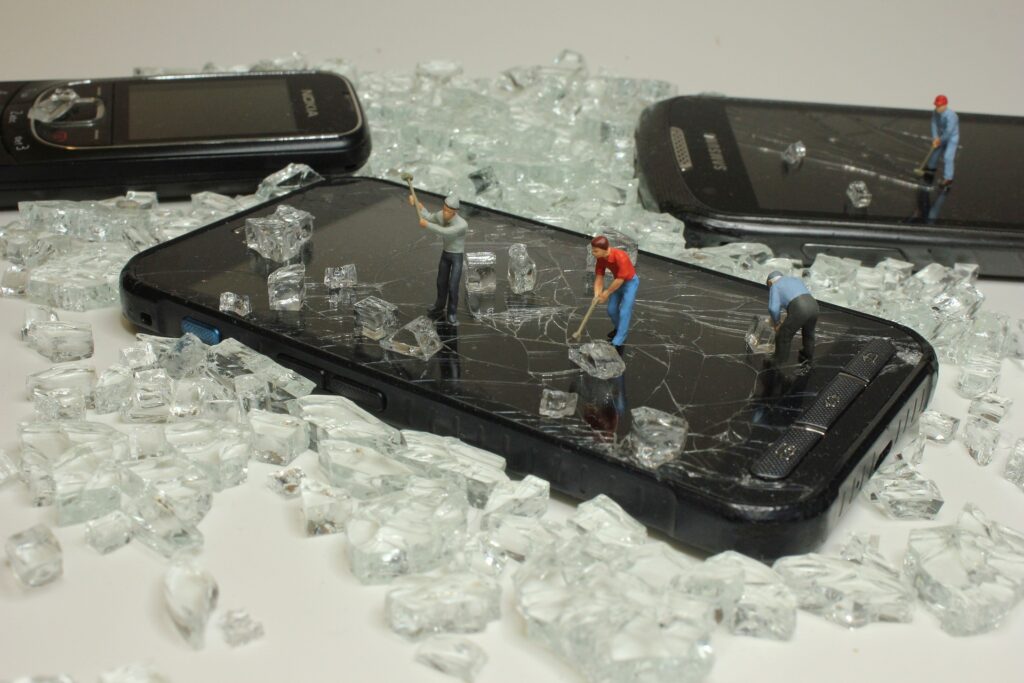
In the past few decades, the world has experienced a significant increase in the production and disposal of electronic waste (e-waste), which poses severe environmental and health risks. In Italy, the illicit trade of e-waste, specifically hazardous appliances such as Refrigerators, Air-Conditioners, and Electronic Devices (RAEE), has become a pressing concern.
What is E-Waste?
E-waste refers to discarded electronic devices that contain hazardous materials such as lead, mercury, and cadmium. These substances can contaminate soil, water, and air if not disposed of properly, posing significant risks to human health and the environment. The rapid obsolescence of electronic devices has led to an accumulation of e-waste, which is expected to triple by 2030.
The Illicit Trade of RAEE in Italy
According to a report by Legambiente, a leading Italian environmental organization, there have been 6 investigations into e-waste trafficking in Italy since 2002, accounting for 2.7% of all environmental investigations. These investigations have led to the arrest of 41 individuals and the denunciation of 214 others. The investigations revealed that e-waste was being smuggled from countries such as Albania and Bulgaria.
The Organized Crime Aspect
Illicit e-waste trafficking is often linked to organized crime groups that operate at an international level. In Italy, authorities have identified 10 companies in eight regions that have been involved in e-waste smuggling. These companies are often based in the northern regions of Italy and are involved in a variety of illicit activities.
The “Piracy” of RAEE
A significant portion of e-waste trafficking involves the theft of RAEE components, such as plastic and metals, which are then sold on the black market. This practice has led to the generation of 32 judicial cases, resulting in 238 arrests and 708 denunciations. The “piracy” of RAEE is often carried out by organized crime groups that target e-waste recycling facilities.
Discard of E-Waste: A Growing Concern
The improper disposal of e-waste is a growing concern in Italy. In recent years, authorities have seized 299 illegal dumps containing e-waste, with Puglia being the region with the highest number of detected sites. These illegal dumps pose significant environmental and health risks, as they can leak toxic substances into the soil and water.
Smuggling and Domestic Dumping of E-Waste
A third major issue is the smuggling and domestic dumping of e-waste. In Italy, approximately 30% of small RAEE are sent to regular trash cans, where they often end up in landfills or are buried. This practice poses significant environmental risks, as it can lead to the release of toxic substances into the soil and water.
Lack of Awareness and Limited Recycling Facilities
The lack of awareness about proper e-waste disposal practices and limited recycling facilities on the national scale contribute to this issue. Only a few retailers accept old lamps for recycling in exchange for new ones, despite legislation that sets fines for those who refuse to recycle RAEE components. The lack of awareness and limited recycling facilities make it difficult for individuals to dispose of their e-waste properly.
Economic Value of E-Waste Components
E-waste components like rarer earth minerals (rare earth elements) have significant economic value due to their widespread use in electronic devices. These materials are particularly sought after for production and can be extremely valuable, with prices ranging from $33,000 to $100,000 per kilogram. The concentration of rare earth minerals in China leads to an exorbitant market price due to monopolistic practices.
Conclusion
The illicit trade of e-waste in Italy is a complex issue with serious environmental and health implications. To address this problem effectively, it is crucial that individuals take responsibility for proper disposal practices, companies develop sustainable recycling strategies, and the government implements stricter regulations and enforcement mechanisms.
Frequently Asked Questions (FAQs)
- What is e-waste?
E-waste refers to discarded electronic devices containing hazardous materials such as lead, mercury, and cadmium. - How widespread is the illicit trade of RAEE in Italy?
According to a report by Legambiente, there have been 6 investigations into e-waste trafficking in Italy since 2002. - What are some common components of e-waste?
Some common components include plastics, metals (such as lead and mercury), and rare earth minerals (like scandium and ittrio). - How is the illicit trade of RAEE linked to organized crime?
Illicit e-waste trafficking often involves organized crime groups that operate at an international level. - What are some consequences of improper e-waste disposal?
Improper e-waste disposal poses significant environmental and health risks, including contamination of soil, water, and air. - How can individuals contribute to reducing the illicit trade of RAEE?
Individuals can participate by properly disposing of electronic devices and supporting companies that adopt sustainable recycling practices. - What role do government regulations play in addressing the issue of e-waste trafficking?
Stricter regulations and enforcement mechanisms are essential for addressing the problem of e-waste trafficking effectively. - How is the economic value of e-waste components linked to supply chain concentration in China?
The concentration of rare earth minerals in China leads to an exorbitant market price due to monopolistic practices.
Prevention Strategies
To address the issue of e-waste trafficking, it is essential to implement prevention strategies. Some of these strategies include:
- Education and awareness: Educating individuals about proper e-waste disposal practices can help reduce the amount of e-waste sent to landfills.
- Improved recycling facilities: Developing better recycling facilities on a national scale can help ensure that e-waste is disposed of properly.
- Stricter regulations: Implementing stricter regulations and enforcement mechanisms can help prevent e-waste trafficking.
- Increased government support: Governments can play a crucial role in addressing the issue of e-waste trafficking by providing financial support to recycling facilities and implementing education campaigns.
Recommendations
Based on the analysis of the illicit trade of e-waste in Italy, some recommendations are:
- Increase funding for e-waste recycling facilities: Increasing funding for e-waste recycling facilities can help ensure that e-waste is disposed of properly.
- Implement stricter regulations: Implementing stricter regulations and enforcement mechanisms can help prevent e-waste trafficking.
- Develop education campaigns: Developing education campaigns can help raise awareness about proper e-waste disposal practices.
- Support companies that adopt sustainable recycling practices: Supporting companies that adopt sustainable recycling practices can help reduce the amount of e-waste sent to landfills.
Conclusion
The illicit trade of e-waste in Italy is a complex issue with serious environmental and health implications. To address this problem effectively, it is crucial that individuals take responsibility for proper disposal practices, companies develop sustainable recycling strategies, and the government implements stricter regulations and enforcement mechanisms.


